Jangle Pop • Reggae-Tinged Rock • College Radio Staples
A Colorado band that built a devoted, tape-trading fanbase from the ground up, blending chiming guitars, reggae lilt, and Sean Kelly's aching tenor into some of the warmest college-rock songwriting of the early nineties.
The Short Version
Who Are They?
The Samples are a band formed in Boulder, Colorado in the late 1980s, led from day one by singer, guitarist, and songwriter Sean Kelly. Their sound blends jangly, Police and R.E.M.-indebted guitar pop with a loose reggae bounce, wrapped around Kelly's plaintive, distinctive voice.
They never chased radio the conventional way. Instead they built one of the earliest and most loyal grassroots fanbases in rock, touring relentlessly, encouraging tapers at their shows, and staying close to the people who found them. Songs like "Feel Us Shaking" and "Could It Be Another Change" became word-of-mouth anthems on college campuses long before streaming existed.
Decades and countless lineup changes later, Kelly still carries the band forward, proof that a devoted following and a distinctive sound can outlast almost anything the industry throws at a band.
Water, light, and open Colorado sky, the recurring mood of their songs.From Boulder Bars to a Devoted Following
The Story
Their history is less about chart peaks and more about a band that built something durable, one show and one fan at a time.
The unhurried, reflective feel that runs through their catalog.
1987
Sean Kelly moves to Colorado
Kelly relocated to Boulder to start a band, quickly becoming a fixture of the local club scene with a mix of original rock, reggae, and folk songwriting.
1989
The self-titled debut
The Samples released their first album, introducing the chiming, reggae-inflected guitar pop sound and Kelly's tenor that would define the band, including early favorite "Could It Be Another Change."
1992
No Room and a growing following
Their sophomore record widened their audience beyond Colorado, built on relentless touring and a fanbase that traded live tapes the way Grateful Dead fans did.
1993
The Last Drag
A confident, more polished record that captured the band at a commercial peak, home to fan favorites that still anchor their live sets today.
1994
Autopilot
Continuing their steady, independent-minded climb, the band leaned further into warm, radio-friendly hooks without losing the reggae lilt underneath.
1996
Outpost
Another chapter in a catalog defined by consistency rather than reinvention, the band's sound remained rooted in jangling guitars and Kelly's voice.
1998
Here and Somewhere Else
A later-period record that found the band, by now road-tested through years of lineup changes, still writing the kind of open, atmospheric songs that first won over their fans.
2012
"Perks of Being a Wallflower"
"Could It Be Another Change" appeared in the film adaptation of Stephen Chbosky's novel, introducing the band's signature song to a new generation of listeners.
Today
Sean Kelly carries it forward
As the sole remaining original member, Kelly continues to write, record, and tour under The Samples name, still supported by the loyal following the band built from the ground up.
Three Songs, One Introduction
Start Here
The Samples reward patience, but these three songs, their signature tune and two enduring fan favorites, are the fastest way into their sound. Watch in order.
01 · The Signature Song
"Could It Be Another Change" — 1989
Their best-known tune, a chiming, wistful piece of jangle pop that later reached a new audience via the film "The Perks of Being a Wallflower." The clearest entry point into the band.
02 · The Fan Favorite
"Feel Us Shaking"
A live-show staple with the loose reggae bounce that runs through so much of their catalog, and a longtime highlight for the fans who traded tapes of their shows for years.
03 · The Deep Cut
"Nothing Lasts for Long"
A quieter, more reflective side of the band, showing off Kelly's songwriting and the atmospheric guitar textures that keep longtime fans coming back.
The Studio Catalog
The Albums 6 to start with
The Samples built a deep, consistent catalog rather than one or two landmark records. The blue-topped cards are the essential entry points; the purple marks the earliest, most jangle-forward era.
1989
The Samples
The self-titled debut that introduced their reggae-tinged jangle pop and Sean Kelly's tenor, home to "Could It Be Another Change."
One YouTube Music playlist, an Essentials set that moves across their catalog to give you the fastest sense of who they are. Hit the button on the card to play it.
As the band's sole constant, Sean Kelly is also its best storyteller. Two conversations that get at how the band has lasted so long.
Interview · Your Next Favorite Band
Sean Kelly at Boonton Coffee
Sean Kelly sits down for an in-person conversation about the band's origins, its grassroots fanbase, and how he has kept The Samples going through decades of lineup changes.
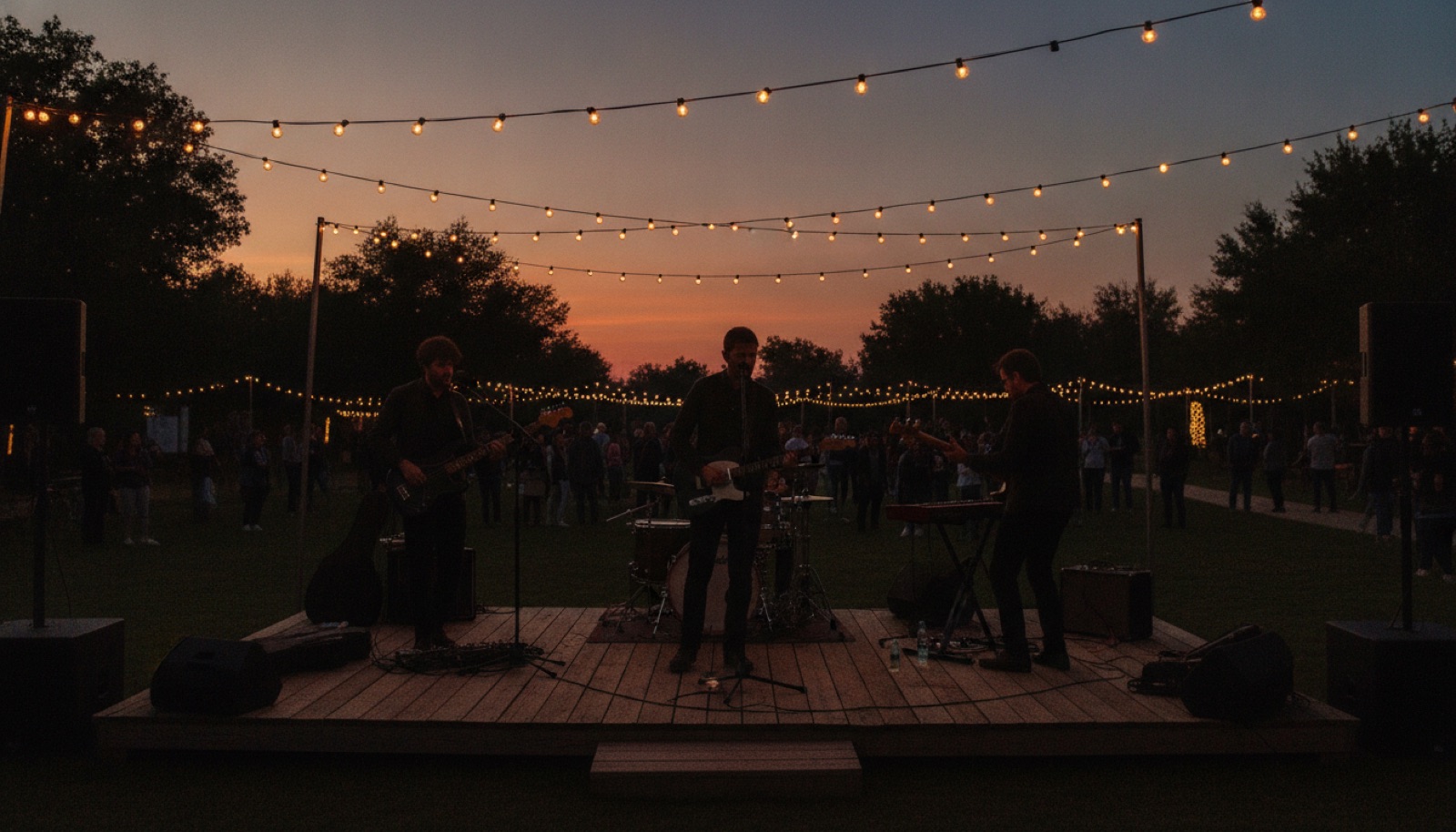
A live performance at Colorado's iconic Red Rocks venue, the kind of homecoming show that captures what decades of devoted, grassroots touring built for this band.
The Samples reward the kind of patient, tape-trading devotion their earliest fans practiced. Once the songs have you, there is a lot more to explore.
The instrument at the center of every era of the band.
The live tapes — The Samples were an early, taper-friendly band, and a large archive of soundboard and audience recordings circulates among longtime fans, capturing the songs stretched out and reworked night to night.
The deep catalog — with a discography stretching from 1989 into the present, there are records beyond the essentials here worth exploring once the core songs click.
Sean Kelly's solo work — Kelly has also released music under his own name, offering a quieter, more stripped-down look at his songwriting outside the full band.
The film placement — "Could It Be Another Change" reached a new generation of listeners through "The Perks of Being a Wallflower," a good reminder of how the band's songs have quietly persisted for decades.
The Way to Listen
Start with the self-titled debut front to back, then follow it straight into No Room. Together they capture the band at its most jangling and immediate, before you go looking for the deep cuts.