How a heartbroken songwriter alone in a Wisconsin cabin made a record that defined a decade of indie folk, then spent the next fifteen years restlessly tearing his own sound apart and rebuilding it.
The Short Version
Who Is This?
Bon Iver is the musical project of Justin Vernon, a songwriter from Eau Claire, Wisconsin, active since 2007. What began as one man and a guitar has grown into one of the most influential and adventurous acts in modern indie music.
Two things make him singular. First, the voice: a soaring, layered falsetto, often stacked into choir-like harmonies, that can sound both intimate and vast. Second, the restlessness: each album reinvents the sound, moving from hushed acoustic folk to lush chamber-pop to glitchy, processed electronic art-pop.
He is indie folk at the root, but a folk that keeps mutating toward something stranger and more beautiful. If you want music that feels like weather, warm and cold at once, start here.
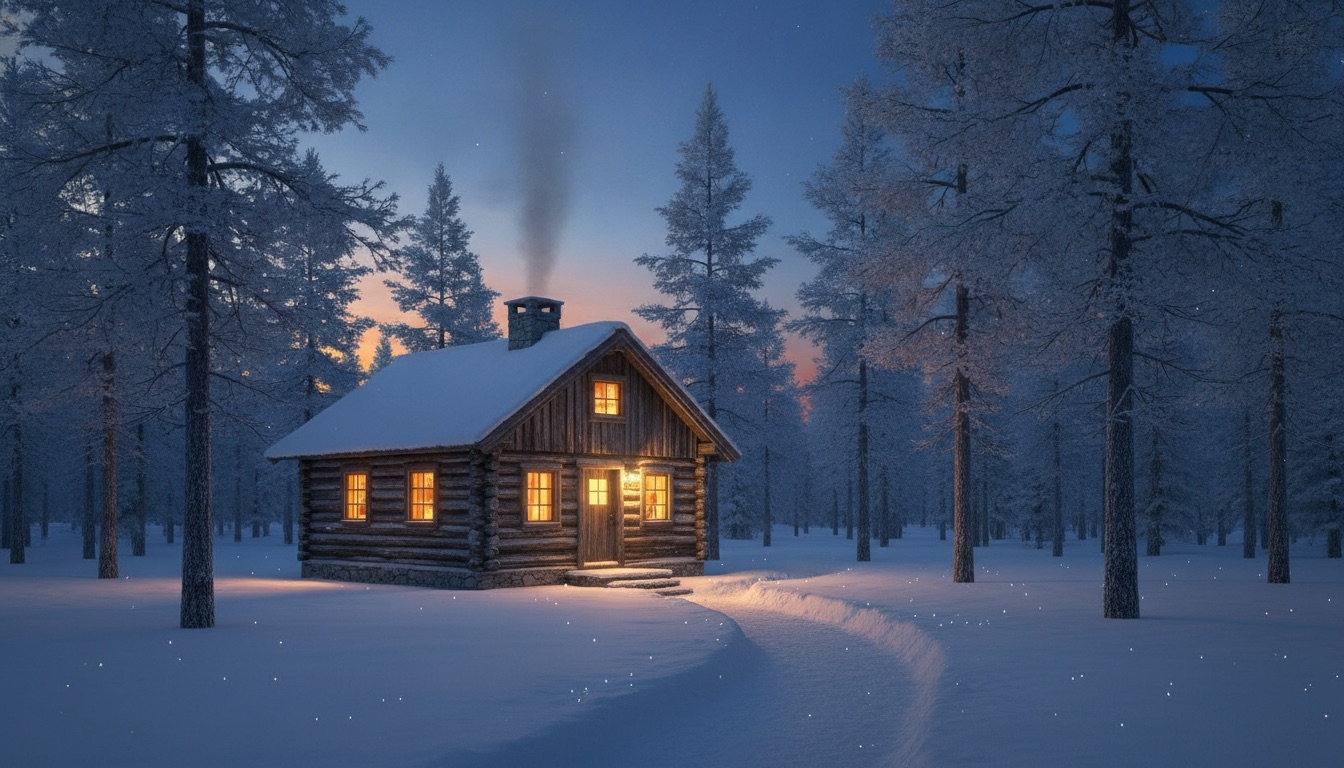
The cabin that became a legend.From a Wisconsin Cabin to the World
The Story
Bon Iver's story starts with retreat and heartbreak and becomes one of constant reinvention, as Vernon refused to remake the album that made him famous.
2007
For Emma, Forever Ago
After a breakup, illness, and a band falling apart, Vernon retreated to a remote Wisconsin cabin for a winter and emerged with a hushed, self-recorded masterpiece that spread by word of mouth.
2011
Bon Iver, Bon Iver
A lush, expansive second album that won the Grammy for Best New Artist and Best Alternative Album, with the beloved "Holocene." He had become a genuine star, on his own terms.
2011 – 2013
The Kanye connection
His collaborations with Kanye West, from My Beautiful Dark Twisted Fantasy onward, put his voice in front of a mass audience and pushed his own music toward electronics.
2016
22, A Million
A radical turn: fractured, glitchy, Auto-Tuned, and cryptic, it tore his sound apart and rebuilt it as something wholly new. Divisive at first, now widely loved.
2019
i,i
A warmer synthesis of everything before it, communal and generous, gathering a huge cast of collaborators into a rich, hopeful record.
2025
SABLE, fABLE
His most open and, by his own account, happiest record, moving from spare sketches into full, warm, love-struck songs. Proof that the reinvention never stops.
Northern light, warm and cold at once.Three Songs, One Education
Start Here
Three songs across the arc: the cabin classic, the soaring anthem, and the glitchy reinvention. Listen in order.
01 · The One to Play First
"Skinny Love" — 2007
The song that started it all: a raw, aching acoustic ballad from the cabin, all cracked falsetto and hard-strummed guitar. Still the perfect introduction to who he is.
02 · The Anthem
"Holocene" — 2011
A gorgeous, slow-building meditation on smallness and wonder, and for many his signature song. The sound of the project growing from a cabin into a cathedral.
03 · The Reinvention
"22 (OVER S∞∞N)" — 2016
The opening of 22, A Million: a looped, chopped, sample-driven prayer that announced his boldest reinvention. Beautiful, strange, and unlike anything he had made before.
The Studio Catalog
The Albums 5 to start with
A catalog defined by constant reinvention. The gold-topped cards mark the best entry points; the moss-green marks the earliest era.
2007
For Emma, Forever Ago
The cabin-made debut: hushed, raw, and self-recorded, and an instant modern classic. The purest and most famous version of Bon Iver. Start here.
A warm, communal synthesis of everything before it, gathering dozens of collaborators into a generous and hopeful record. The most inviting of his later work.
His most open and joyful album, moving from spare sketches into full, warm, love-struck songs. A beautiful recent chapter and a fine place to end, or begin.
One curated YouTube Music playlist gathering the essentials across the catalog. (Ideally, though, spend time with For Emma, Forever Ago whole.) Hit the button below to play it.
Bon Iver is essentially the vision of one person, Justin Vernon, though it has grown into a shifting collective of musicians who help realize his ideas. His central instrument is his own voice, multiplied and processed into shimmering, choir-like walls of harmony that are the most recognizable thing about the music.
His defining trait is refusal to repeat himself. Having made one of the most beloved folk albums of its era, he could have made it again forever. Instead he tore the sound apart, embracing electronics, Auto-Tune, saxophones, and studio experiments, following curiosity wherever it led, even at the risk of alienating fans.
He is also a great collaborator and community-builder. His work with Kanye West brought his voice to millions, and his festival Eaux Claires and endless guest appearances, from The National to Taylor Swift, make him a hub of modern music. Generosity is built into how he works.
What makes him worth following is the emotional core beneath all the experiment. However strange the production gets, the songs are always about real feeling, love, grief, doubt, wonder, sung in that unmistakable, aching voice.
Always chasing the next sound.The Roots of the Sound
Influences
Vernon draws on folk, art-rock, and hip-hop production in equal measure. Here are four touchstones.
The Songcraft
Bruce Hornsby
An unlikely but openly acknowledged hero. Hornsby's rich piano writing and harmonic sense left a deep mark on Vernon, who has collaborated with him directly.
Talk Talk's move from pop into hushed, spacious, improvisatory art-rock on Spirit of Eden is a clear ancestor of Bon Iver's patient, textural approach.
Their collaborations opened Vernon's ears to hip-hop production, Auto-Tune, and sampling, tools he carried straight into the reinvention of 22, A Million.
A recent, in-depth interview with Zane Lowe around SABLE, fABLE, in which Vernon talks about happiness, growth, and where his restless sound has finally arrived.