The solo project of Michelle Zauner, a Philadelphia songwriter and multi-instrumentalist who built a catalog of lush, layered indie pop that grew from lo-fi bedroom recordings into widescreen studio arrangements.
The Short Version
Who Is It?
Japanese Breakfast is the recording and touring project of Michelle Zauner, a musician based in Philadelphia. Zauner writes, sings, and plays across the records, and she assembled the project after years of playing in the Philadelphia emo and indie-rock band Little Big League. The name has been a solo vehicle since the mid-2010s, expanding into a full band on stage.
The sound has traced a clear arc. Early releases were built from lo-fi, home-recorded pop, and each successive album added scale: fuller production, orchestral touches, saxophone, strings, and brighter, more elaborate arrangements. Across four studio albums the project moved from bedroom intimacy toward polished, widescreen indie pop and art rock.
Zauner is also a bestselling author, and her writing brought a wider readership to the music. Japanese Breakfast records for the Dead Oceans label and has become one of the most recognized indie acts of its generation.
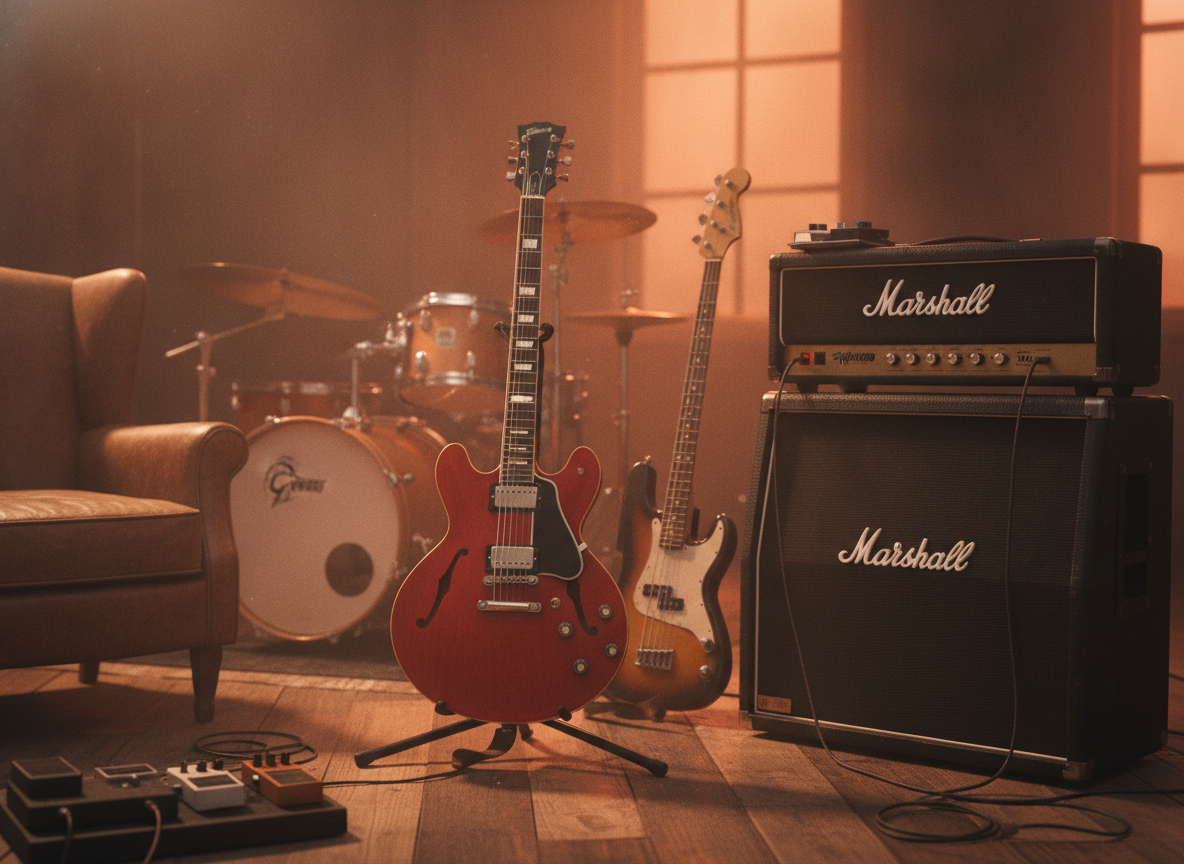
Lush color and layered texture, the visual signature of the project's later records.From Bedroom Pop to Widescreen Arrangements
The Story
The project's discography is a study in steady expansion, each album larger in scope and production than the last.
A solo studio project that grew into a full live band.
2016
Psychopomp
The debut album under the Japanese Breakfast name, released on Yellow K and later Dead Oceans. Built largely from home recordings, its lo-fi indie pop and hazy guitar textures introduced Zauner's melodic writing to a national audience.
2017
Soft Sounds from Another Planet
The second album widened the palette with synthesizers, saxophone, and a loose sci-fi framing. It brought bigger production and more ambitious arrangements, and it lifted the project onto larger stages and festival bills.
2021
Jubilee
The breakthrough. A bright, maximalist record full of horns and strings, it earned Grammy nominations for Best New Artist and Best Alternative Music Album and became the project's most acclaimed and commercially successful release.
2025
For Melancholy Brunettes (& sad women)
The fourth studio album, produced with Blake Mills, pulled back toward a warmer, more restrained sound after the brightness of Jubilee, with acoustic textures and detailed arrangements.
Four Songs, One Introduction
Start Here
These four official videos are the quickest way into the catalog, spanning the early lo-fi records and the fuller later sound. Watch in order.
01 · The Single
"Be Sweet" (2021)
The lead single from Jubilee: a bright, propulsive synth-pop track that became the project's signature song and its clearest pop statement.
02 · The Early Favorite
"Everybody Wants to Love You" (2016)
A fuzzy, hook-driven highlight from Psychopomp and one of the earliest fan favorites, showing the lo-fi pop craft at the project's foundation.
03 · The Atmosphere
"Road Head" (2017)
A hazy, spacious cut from Soft Sounds from Another Planet that shows the widening production and dreamier textures of the second album.
04 · The Slow Build
"Boyish" (2017)
A stately, doo-wop-tinged ballad reworked from Zauner's earlier band, and a good measure of how her songwriting reshapes older material.
The Landmark Records
The Albums 4 to start with
Four studio albums map the project's full arc, from lo-fi debut to its most acclaimed work. The highlighted card is the best place to begin.
2016
Psychopomp
The debut. Largely home-recorded, its lo-fi indie pop and layered guitars introduced the project, with early favorites like "In Heaven" and "Everybody Wants to Love You."
The second album, wider in scope, adding synthesizers, saxophone, and a loose sci-fi frame. "Road Head," "Boyish," and "Diving Woman" chart the growing ambition.
The breakthrough and the ideal starting point. Bright and maximalist, full of horns and strings, it earned two Grammy nominations and holds the singles "Be Sweet," "Paprika," and "Slide Tackle."
The fourth album, produced with Blake Mills. Warmer and more restrained than Jubilee, it leans on acoustic textures and detailed, carefully framed arrangements.
Two YouTube Music sets: a First Listen of the signature songs to bring you in, and a Deep Cuts selection for when you want to sink further into the catalog. (Ideally, though, hear these albums whole.) Hit the button on either card to search and play.
Japanese Breakfast is Michelle Zauner's project, but the records and the live show are built with a consistent set of collaborators, producers, and a label that has backed the work from the start.
A solo studio project shaped by a steady circle of players and producers.
Michelle ZaunerSongwriter / vocals / multi-instrumentalistWrites, sings, and plays across the project, and directs its studio and visual work; also a bestselling author
Craig HendrixDrums / co-productionA longtime musical collaborator who plays drums and co-produces, central to the arrangements from Soft Sounds onward
Peter BradleyGuitarA member of the touring and recording band and Zauner's husband, part of the core live lineup
Blake MillsProducerProduced the 2025 album For Melancholy Brunettes (& sad women), steering it toward a warmer, more acoustic sound
Dead OceansRecord labelThe independent label that has released the project's albums and helped bring it to a national and international audience
The Roots of the Sound
Influences
The project sits within a lineage of indie, art pop, and dream pop, drawing on adventurous arrangers and guitar-driven songwriters. Here are some of the peers and forebears in that world.
Indie Rock
Mitski
A close contemporary in the indie songwriting world, sharing a knack for pairing sharp melodic pop with ambitious, art-minded arrangements.
A touchstone for adventurous, texture-forward pop, blending electronics, strings, and unconventional song structures in a way that echoes the project's later maximalism.
A contemporary indie-pop band trading in bright, hook-forward guitar songs with a dreamy sheen, sharing a sensibility with the project's poppier turns.
Michelle Zauner is a thoughtful, articulate interview, whether talking about the records, the arrangements, or the origins of the project's name. A couple of conversations worth seeking out.
Interview · Origins
On the Name
Zauner explains where the Japanese Breakfast name came from and how the project took shape, a useful entry point into her broader story.
Interview · Influences
The Records That Shaped Her
In this Pitchfork conversation, Zauner walks through an album she considers a perfect ten, opening a window into the music behind her own writing.
Once the four albums have you, the project opens into soundtracks, side work, and a growing body of writing and film.
Sable (Original Video Game Soundtrack). a 2021 instrumental score Zauner composed for the video game Sable, a very different, ambient-leaning corner of the catalog.
The singles and covers. one-off releases like "Head Over Heels" and a Korean-language version of "Be Sweet" show the project working outside the album cycle.
Little Big League. Zauner's earlier Philadelphia emo and indie-rock band, the group where much of her songwriting first developed.
The writing and film work. Zauner's bestselling memoir and her broader creative projects extend the world of Japanese Breakfast well beyond the recordings.
The Way to Listen
Do yourself one favor: play Jubilee from start to finish, then go back to Soft Sounds from Another Planet. Hearing the leap in scale between the two is the fastest way to understand what the project is about.