How a soft-spoken songwriter from Idaho built sprawling, sky-reaching guitar music on his own terms, kept a rotating cast of players around him, and quietly shaped the sound of a whole generation of indie rock.
The Short Version
Who Are They?
Built to Spill is the long-running indie rock band led by singer and guitarist Doug Martsch, formed in Boise, Idaho, in 1992. From the start Martsch treated the band less as a fixed lineup than as a vehicle for his songs, cycling players in and out around his own steady voice and restless, layered guitar.
Two things make them singular. First, the guitars: interlocking, overlapping lines that build from quiet to towering, stretching songs into patient, hypnotic epics. Second, the independence: Martsch built the band's whole aesthetic on a small-label ethic and carried it intact even after signing to a major, never trading the sprawl and the feeling for polish.
Their run of records in the late nineties became a template for melodic, guitar-driven indie rock, and you can hear their fingerprints on countless bands that followed. To understand modern indie guitar music, you start here.
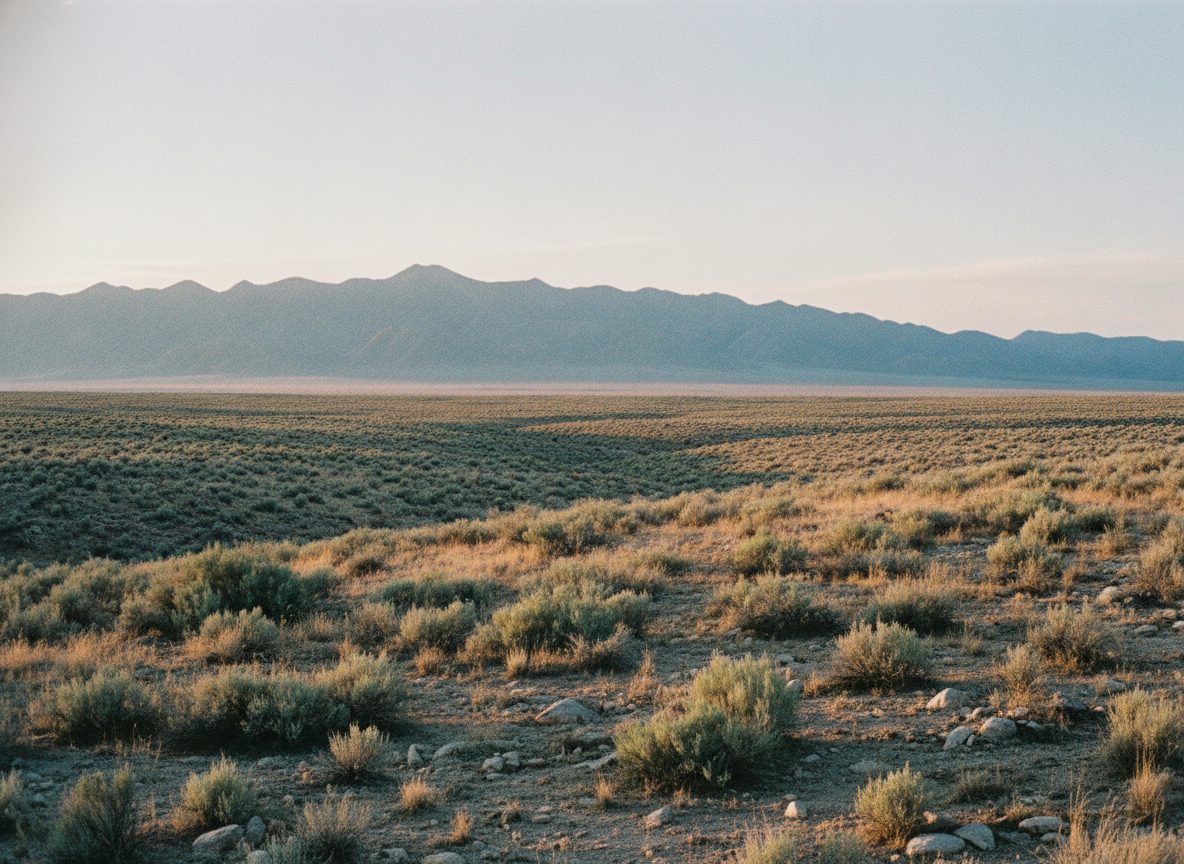
The high-desert expanse of southern Idaho, the wide-open space Built to Spill's guitars seem to reach across.From a Boise Basement to the Guitar Epic
The Story
Built to Spill's history is really the story of one songwriter's vision, held steady while nearly everything around it changed. Doug Martsch built a band designed to keep evolving, and used it to chase bigger and stranger guitar ideas.
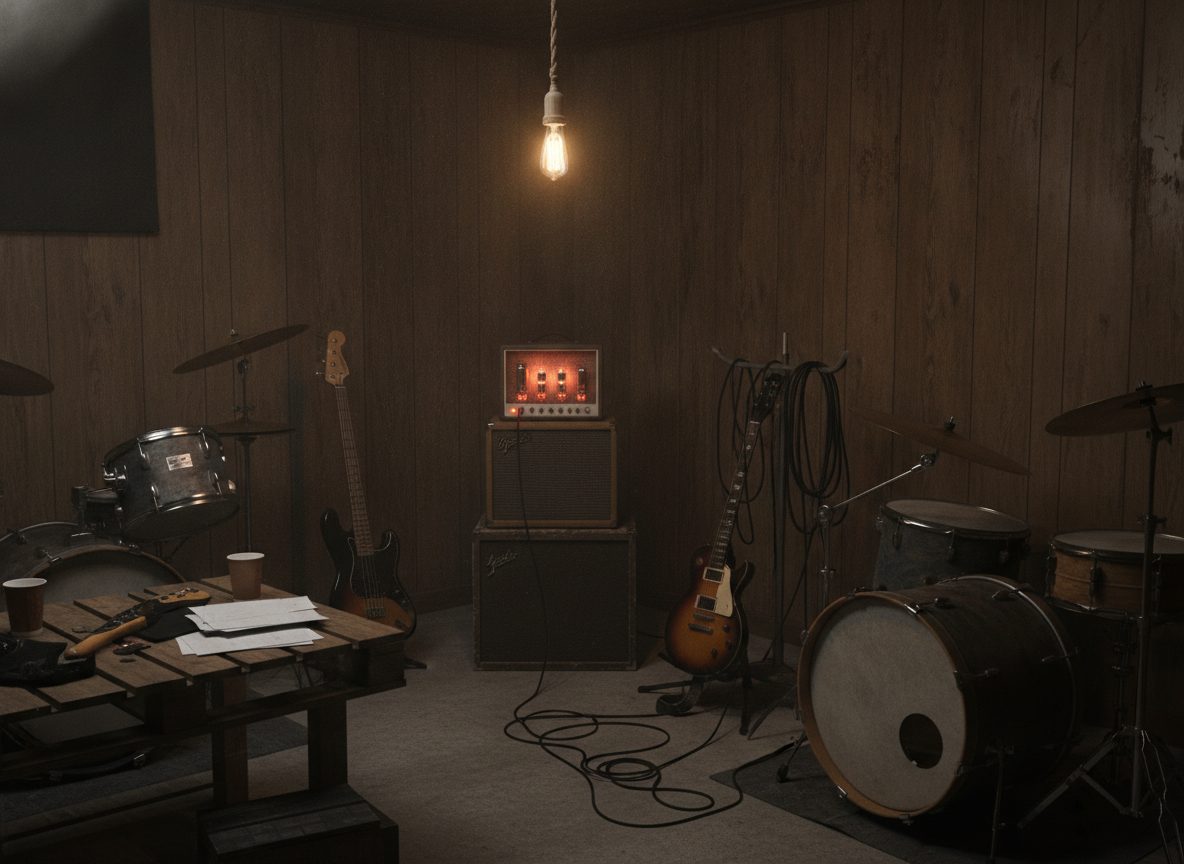
The small-room, do-it-yourself roots the band never really left behind.
1992
Boise beginnings
After his earlier band Treepeople, Doug Martsch started Built to Spill in Boise with the idea of rotating the lineup around him from record to record, so the band could keep changing shape without losing its center.
1993–1994
The early records
The debut Ultimate Alternative Wavers and the beloved There's Nothing Wrong with Love arrived on independent labels, the second one pairing bright, tuneful songwriting with a warm, homemade charm.
1995–1996
The jump to a major
Built to Spill signed to Warner Bros., but Martsch negotiated the freedom to keep working his own way, on his own timeline, and to protect the band's independent spirit inside a big label.
1997
Perfect from Now On
The major-label debut went the opposite direction from a big commercial move: long, ambitious, string-laced songs that stretched past six and seven minutes, and became a landmark of the guitar epic.
1999
Keep It Like a Secret
The band tightened the sprawl into sharper, catchier songs without losing the soaring guitars. For many listeners it is the perfect entry point and the band's high-water mark.
2001–2009
Settling into the sound
With Ancient Melodies of the Future and later the jammier You in Reverse, the band settled into a steadier lineup and a looser, more exploratory live feel, still built around Martsch's guitar.
2010s–now
The long road
Martsch kept the band moving through new lineups and new records, touring steadily and continuing to influence younger indie musicians who grew up on the late-nineties albums.
Four Songs, One Education
Start Here
Built to Spill's catalog rewards patience, but these four songs are the fastest way in, from the tight and tuneful to the long and towering. Watch in order.
01 · The Anthem
"Carry the Zero" (1999)
The song most fans point newcomers to first. A rolling, insistent groove and layered guitars build into one of the great indie rock anthems of its era. The essential Built to Spill starting point.
02 · The Opener
"The Plan" (1999)
The bright, propulsive opening of Keep It Like a Secret. It shows the tuneful, tightly written side of the band, big hooks and interlocking guitars in under four minutes.
03 · The Charmer
"Center of the Universe" (1997)
A warm, loose, endlessly hummable song that captures the band's homemade heart. Proof that all the sprawl grows out of plainspoken, human songwriting.
04 · The Slow Burn
"You Were Right" (1999)
A patient, aching song built on borrowed lines from classic rock, turned into something wholly Built to Spill. A perfect example of the band's long, guitar-led build.
The Landmark Records
The Albums 5 to start with
Built to Spill has a deep catalog, but these five records are the pillars, from the beloved early charmer to the ambitious guitar epics that defined the band. The orange-topped cards are the best places to begin.
1994
There's Nothing Wrong with Love
The early breakthrough. Bright, tuneful, and warmly homemade, it pairs hooky songwriting with a diary-like intimacy and remains a fan favorite and a lovely place to start.
The major-label debut and the birth of the guitar epic. Long, string-laced, ambitious songs that stretch and swell, a landmark of patient, immersive indie rock.
The high-water mark for many fans. It focuses the sprawl into sharp, catchy songs while keeping the soaring guitars, home to "The Plan," "Carry the Zero," and "You Were Right."
A brighter, more compact set of songs that rounds out the band's classic run, with keyboards and pop textures softening the edges of the guitar attack.
Two starter sets: a First Listen of the signature songs to bring you in, and a Deep Cuts set of the longer, headphone-reward pieces for when you want to sink in. (Ideally, though, hear these albums whole.) Hit the button on either card to open it in YouTube Music.
Built to Spill is Doug Martsch's project by design, a steady center surrounded by a rotating cast of players and a small circle of trusted collaborators who helped shape the records.
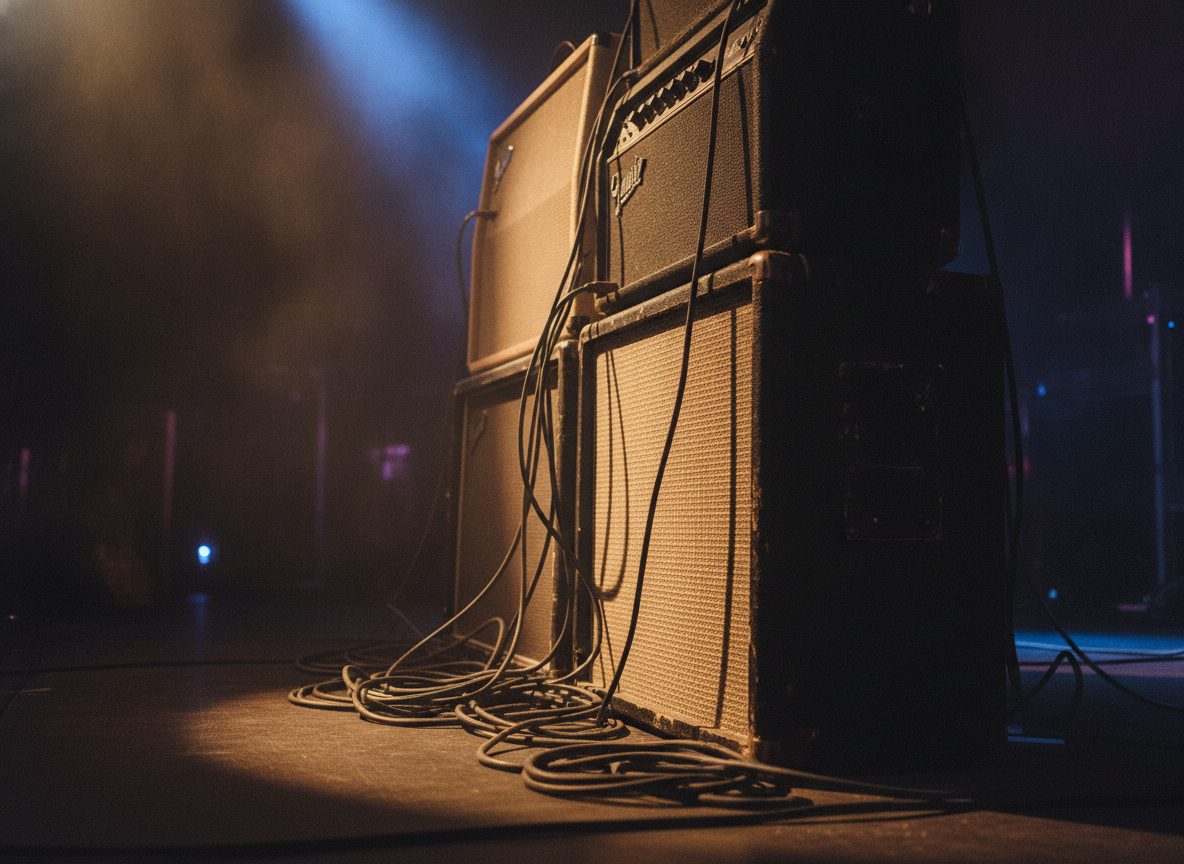
Interlocking guitars and worn amps, the raw material of the Built to Spill sound.
Doug MartschGuitar / vocalsThe founder, songwriter, and constant. Every Built to Spill record grows from his voice and his layered, searching guitar playing
Brett NelsonBassA frequent collaborator across many years and records, one of the recurring anchors in the band's shifting lineup
Scott PloufDrumsHeld the drum chair through the band's classic run, driving the long, building guitar epics of the late-nineties albums
Rotating playersThe revolving lineupBy design, the rhythm section and touring guitarists changed over the years, keeping the band's sound evolving around Martsch
Phil EkProducer / engineerShaped the sound of the key records, helping translate the dense, layered guitars to tape
Up Records / Warner Bros.LabelsThe independent home of the early records and the major label that signed the band while letting Martsch keep working his own way
The Roots of the Sound
Influences
Built to Spill's music grows from classic-rock guitar heroics, the wild energy of American indie and college rock, and the drone and repetition of art rock. Here is where it started.
Classic Rock
Neil Young
The clearest ancestor. Young's long, ragged, feeling-first guitar solos are all over Martsch's playing, from the tone to the willingness to let a song stretch out.
A kindred Pacific Northwest band and touring peer. The two acts shared a scene and a restless, wide-open sense of space, and Martsch later produced for them.
Doug Martsch is famously low-key and unpretentious in conversation, more craftsman than rock star. These talks show the plainspoken thinking behind the sprawling music.
Interview · The Current
On the Band and the Records
Martsch talks with The Current about the band's approach, its lineup, and the long arc of the music, an easygoing window into how he thinks about the work.
Interview · Archive
Doug Martsch, In Conversation
A relaxed, wide-ranging sit-down with Martsch about songwriting, touring, and keeping a band going for decades. If the embed is unavailable, use the link below.
Once the classic albums have you, Built to Spill's world opens into live jams, side roads, and decades of quietly influential records.
The live shows. the band is built for the stage, stretching songs like "Goin' Against Your Mind" and "Broken Chairs" into long, guitar-driven jams that reward seeing them live.
Live at KEXP and beyond. filmed sessions and full concert sets capture the interlocking guitars in real time, a great way to hear how the studio layers translate to a room.
The later records. albums like There Is No Enemy, Untethered Moon, and When the Wind Forgets Your Name carry the sound forward through new lineups.
The family tree. Martsch's earlier band Treepeople and his solo blues detour, plus the Northwest indie scene around Up Records, all feed into the story.
The Way to Listen
Do yourself one favor: put on Keep It Like a Secret from start to finish, then Perfect from Now On. Let the long songs unfold and give the guitars room to build. Built to Spill rewards patience more than any single-track shuffle can.