The Detroit-raised, gospel-trained singer and pianist whose Atlantic Records run made her the definitive voice of soul, a recipient of the National Medal of Arts and the Presidential Medal of Freedom who came to be known simply as the Queen of Soul.
The Short Version
Who Is She?
Aretha Franklin (1942–2018) was born in Memphis, Tennessee, and raised in Detroit, the daughter of the prominent Baptist minister C. L. Franklin. She learned to sing and play piano in her father's church, and that gospel foundation ran through everything she recorded across a career of more than five decades.
Two things define her. First, the voice: a powerful, gospel-rooted mezzo-soprano with extraordinary range, control, and emotional force. Second, the run: after early jazz-leaning years at Columbia, her move to Atlantic Records in 1967 produced a string of records that became the template for soul music, earning her eighteen competitive Grammy Awards.
She was the first woman inducted into the Rock and Roll Hall of Fame, received the National Medal of Arts and the Presidential Medal of Freedom, and sang at presidential inaugurations. To understand American soul and R&B, you start here.
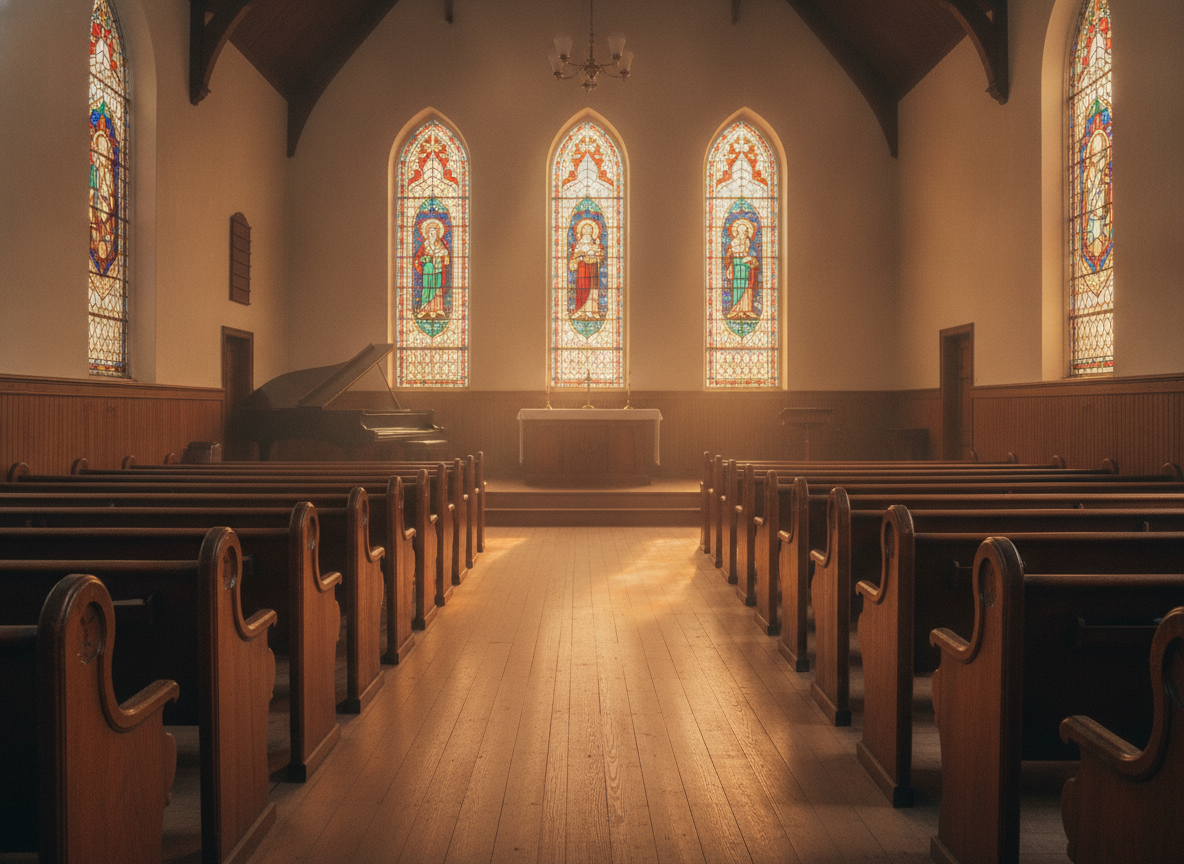
The church and the piano, the ground her music grows from.From a Detroit Pulpit to the Queen of Soul
The Story
Franklin's career moved from the gospel church to jazz-tinged pop and finally to the soul records that made her an icon, each phase deepening the voice at the center of it.
Gospel training carried to the concert stage.
1956
Gospel beginnings
As a teenager Franklin recorded gospel sides at her father's New Bethel Baptist Church in Detroit, singing in a congregation that hosted many of the era's leading gospel artists.
1960–1966
The Columbia years
Signed to Columbia Records, she recorded jazz standards, pop, and show tunes. The material showcased her talent but never fully captured it, and commercial success stayed just out of reach.
1967
Atlantic and the breakthrough
Producer Jerry Wexler brought her to Atlantic Records and to the musicians at FAME Studios in Muscle Shoals. The first sessions produced "I Never Loved a Man" and her transformative reading of "Respect," and stardom arrived at last.
1968
Lady Soul
A run of hit singles, "Chain of Fools," "(You Make Me Feel Like) A Natural Woman," "Think," established her as the Queen of Soul and one of the most successful recording artists in the country.
1972
Amazing Grace
Recorded live over two nights at the New Temple Missionary Baptist Church in Los Angeles, this gospel album became the best-selling record of her career and one of the best-selling gospel albums ever made.
1980s
A new label and new hits
Signing with Arista Records, she returned to the pop charts with records like Who's Zoomin' Who? and appeared in the film The Blues Brothers, reaching a fresh generation of listeners.
1987–2018
Honors and legacy
She became the first woman inducted into the Rock and Roll Hall of Fame in 1987, received the Presidential Medal of Freedom in 2005, and kept performing until near the end of her life in 2018.
Four Songs, One Education
Start Here
Franklin's catalog is deep. These four singles are the fastest way to grasp the power and range of the Queen of Soul, from anthem to gospel-charged groove. Listen in order.
01 · The Anthem
"Respect" (1967)
Her reworking of an Otis Redding song became a signature statement and a cultural touchstone. The horns, the backing vocals, and that spelled-out demand made it the definitive Aretha Franklin recording.
02 · The Ballad
"(You Make Me Feel Like) A Natural Woman" (1967)
Written for her by Carole King and Gerry Goffin with Jerry Wexler, a soaring ballad that shows the tenderness and gospel dynamics at the heart of her voice.
03 · The Groove
"Chain of Fools" (1967)
A hypnotic, guitar-driven groove written by Don Covay. It shows the leaner, funkier side of her Atlantic sound and remains one of her most instantly recognizable hits.
04 · The Powerhouse
"Think" (1968)
Co-written by Franklin herself, a driving, exuberant showcase for her piano and voice. Its later appearance in The Blues Brothers introduced it to a whole new audience.
The Landmark Records
The Albums 6 to start with
Franklin recorded dozens of albums across four decades. These six are the pillars of the Atlantic era and the peak of the catalog. The highlighted card is the best place to begin.
1967
I Never Loved a Man the Way I Love You
The Atlantic debut and the arrival of the Queen of Soul. It opens with "Respect" and the title track, recorded with the Muscle Shoals players, and remade her sound overnight.
A near-perfect run of singles, from "Chain of Fools" to "(You Make Me Feel Like) A Natural Woman" to "Ain't No Way," widely held to be the finest single album of her career.
The momentum continues with "Think" and "I Say a Little Prayer," a tight, joyful set that captures her at the commercial and creative height of the Atlantic years.
A funkier, more piano-driven record where she takes fuller creative control, blending gospel fervor with deep soul on the title track and "Don't Play That Song."
A mature, Grammy-winning set that ranges from the Nina Simone title song to "Rock Steady" and "Day Dreaming," showing her growth as a writer and arranger.
Recorded live in a Los Angeles church, a return to her gospel roots that became the best-selling album of her career and a landmark of recorded gospel music.
Two YouTube Music sets: a First Listen of the signature songs to bring you in, and a Deep Cuts selection of the slower burns and gospel-charged pieces for when you want to sink in. (Ideally, though, hear these albums whole.) Hit the button on either card to play it.
Franklin was a solo artist and a gifted pianist in her own right, but her greatest records were shaped by the producers and studio players who framed her voice.
Her piano and the players around her built the sound of soul.
Aretha FranklinLead vocals, pianoThe voice and, often, the arranger at the keyboard. Her gospel piano playing shaped the feel of the Atlantic sessions as much as her singing
Jerry WexlerProducerThe Atlantic Records producer who signed her, brought her to Muscle Shoals, and steered the run of classic soul records from 1967 onward
Arif MardinProducer / arrangerA key Atlantic producer and arranger on many of her albums, helping shape the horn and string charts around her voice
Tom DowdEngineer / producerThe Atlantic engineer whose recording and mixing captured the warmth and punch of her soul-era sessions
The Muscle Shoals playersFAME Studios rhythm sectionThe Alabama session musicians, including bassist Tommy Cogbill and keyboardist Spooner Oldham, who cut the foundational 1967 tracks
The Roots of the Sound
Influences
Franklin's art grew from the Black American musical traditions she absorbed as a child: the gospel of the church, the phrasing of jazz and blues singers, and the crossover soul of her contemporaries. Here is where it started.
Gospel
Clara Ward
A leading gospel singer and a friend of the Franklin family, Ward was an early hero whose vocal drama and church phrasing shaped young Aretha's singing.
The "Queen of the Blues," whose crisp diction and command of jazz, blues, and pop material offered a road map for Franklin's own early crossover years.
Warm, funny, and fiercely proud of her craft, Franklin was a compelling interview subject who spoke candidly about the church, her songs, and the artists she admired.
Interview · 60 Minutes
Aretha, In Conversation
In this 60 Minutes segment, Franklin talks about the songs and singers she loved most, offering a rare, relaxed window into how the Queen of Soul heard music.
The 2018 documentary film of Amazing Grace and decades of television appearances capture Franklin at the piano and in conversation. Search YouTube for archival interviews and performances.
Once the Atlantic classics have you, Franklin's world opens into gospel, live recordings, and later reinventions.
Amazing Grace, the film. the long-shelved concert footage of the 1972 gospel sessions, finally released in 2018, is as essential as the album itself.
The Columbia years. her early jazz and standards recordings show a different, more restrained artist and reward listeners who already love the Atlantic sound.
The Arista comeback. records like Who's Zoomin' Who? and duets with George Michael and Annie Lennox brought her to the 1980s pop charts.
Live at Fillmore West. the 1971 concert album captures her band and voice at full power in front of a rock audience.
The Way to Listen
Do yourself one favor: play I Never Loved a Man the Way I Love You and Lady Soul back to back, then Amazing Grace. Hear the church underneath the soul records, and the whole catalog opens up.