How a singer and songwriter from Dallas became a central figure of neo-soul, fusing classic soul and jazz phrasing with hip-hop production and helping to lead the Soulquarians collective at the turn of the millennium.
The Short Version
Who Is She?
Erykah Badu (born Erica Abi Wright in Dallas, Texas, in 1971) is an American singer, songwriter, and producer widely called the "First Lady of Neo-Soul." Her 1997 debut Baduizm arrived at the front of a movement that reconnected contemporary R&B with the warmth of classic 1970s soul.
Two things define her music. First, the voice and phrasing: a supple, jazz-inflected delivery often compared to Billie Holiday, floating over deep, unhurried grooves. Second, the collaboration: as a founding member of the Soulquarians collective, she worked closely with Questlove, J Dilla, James Poyser, and others to build a loose, organic, hip-hop-rooted sound.
Across five studio albums she has moved from live-band soul to sample-driven experimentation without losing her core identity. To understand neo-soul, you start here.
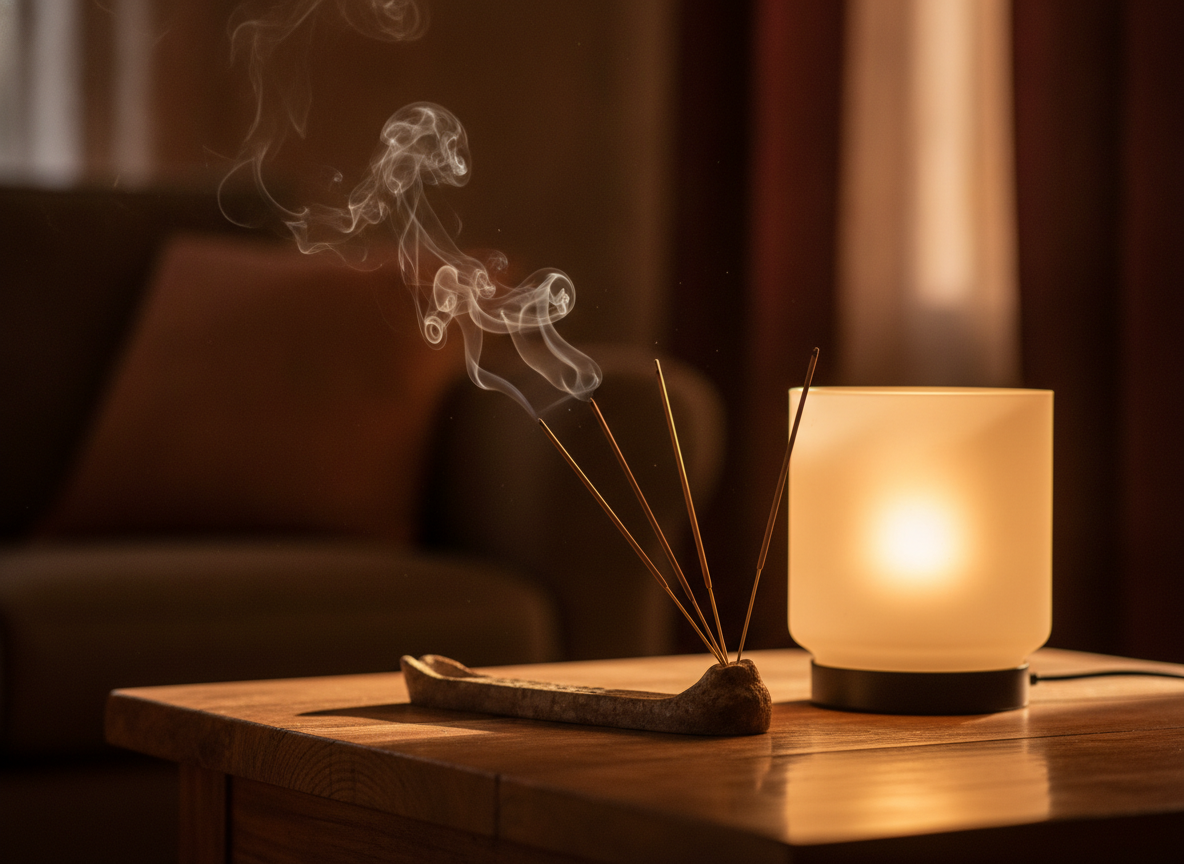
Incense, candlelight, and analog warmth, the earthy mood her records live in.From a Dallas Stage to the Soulquarians
The Story
Badu's career tracks the rise of neo-soul and then keeps moving past it, each album trading polish for a rawer, more adventurous sound.
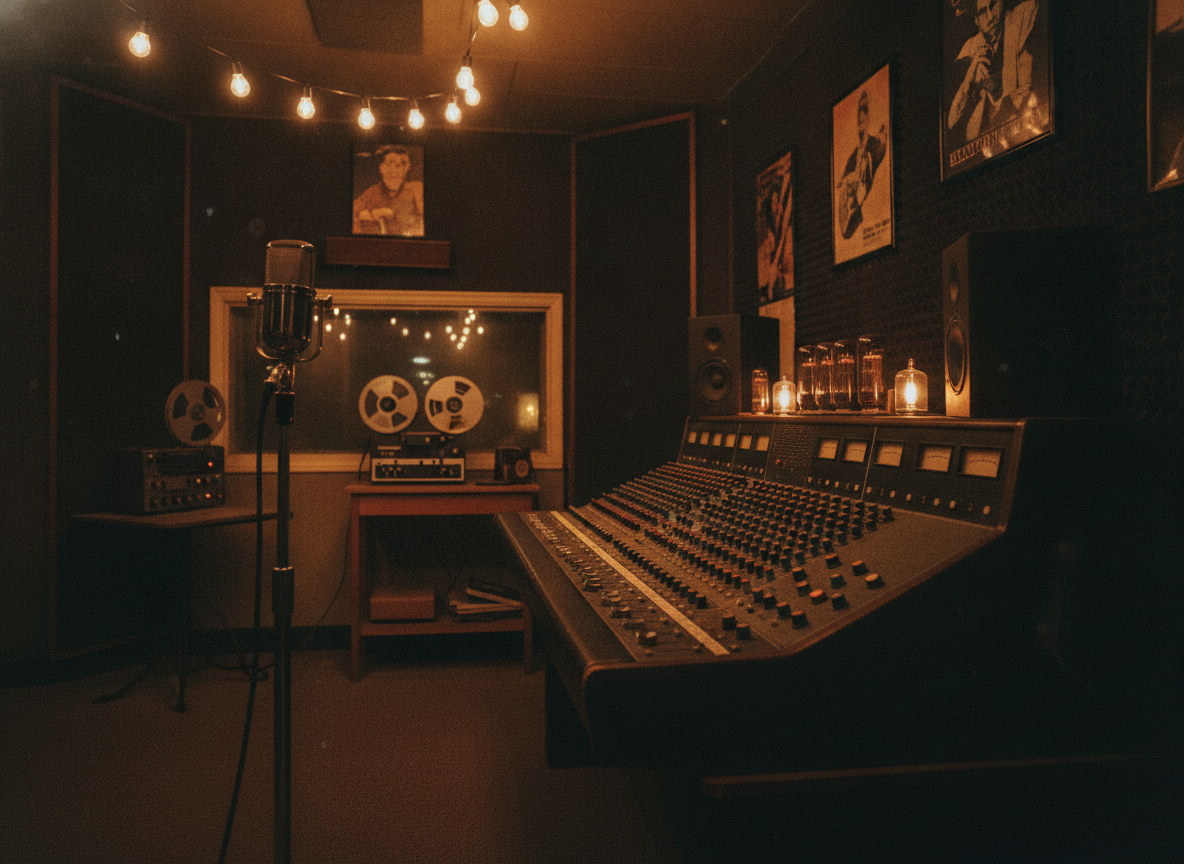
Analog rooms and live players, the ground the Soulquarians sound grew from.
1971–1994
Dallas roots
Raised in Dallas, Erica Wright performed in theater and dance from childhood, studied at Grambling State University, and adopted the stage name Erykah Badu while building a local following as a performer and MC.
1997
Baduizm
Her debut, anchored by "On & On," entered the charts near the top, won a Grammy for Best Female R&B Vocal Performance, and helped define the emerging neo-soul sound. A live album followed the same year.
2000
Mama's Gun
Recorded with the Soulquarians, this warmer, live-band record featured "Bag Lady" and "Didn't Cha Know" and deepened her reputation as a songwriter as much as a singer.
2003
Worldwide Underground
A looser, groove-driven record built around extended jams and the single "Danger," pointing toward the more experimental direction her later work would take.
2008–2010
The New Amerykah albums
New Amerykah Part One (4th World War) turned political and dense with samples, while Part Two (Return of the Ankh) returned to a softer, soulful palette and the single "Window Seat."
2015
But You Caint Use My Phone
A playful, phone-themed mixtape, including a reworking of Drake's "Hotline Bling," kept her recording and experimenting well into her career's third decade.
Ongoing
A lasting influence
Badu remains a touring performer and a touchstone for a generation of R&B and hip-hop artists, her early records still cited as blueprints for the genre.
Four Songs, One Education
Start Here
Badu's catalog rewards patience, but these four songs are the fastest way to grasp the range, from her breakout single to a signature live moment to later experiments. Watch in order.
01 · The Breakout
"On & On" (1997)
The debut single that introduced her voice to the world: a loping, jazz-soul groove and a phrasing all her own. The essential Badu starting point.
02 · The Live Signature
"Tyrone" (1997, Live)
Recorded live and released as a single, this witty, conversational performance became one of her most beloved and most quoted moments on stage.
03 · The Hit
"Bag Lady" (2000)
From Mama's Gun, her biggest crossover single: a warm, rolling soul record built with the Soulquarians and one of her most enduring songs.
04 · The Later Peak
"Window Seat" (2010)
The lead single from New Amerykah Part Two: a spare, aching soul ballad that showed her later work at its most direct and affecting.
The Landmark Records
The Albums 5 to start with
Badu has released five studio albums, and each one marks a distinct step in her evolution. These are the pillars of the catalog. The blue-topped card is the best place to begin.
1997
Baduizm
The debut that helped launch neo-soul. Anchored by "On & On," "Next Lifetime," and "Otherside of the Game," it won a Grammy and announced a fully formed new voice in R&B.
The Soulquarians masterwork, warm and live-band rich. From "Bag Lady" to "Didn't Cha Know" to "Green Eyes," it is widely held to be her finest and most complete record.
A looser, groove-first record built around extended jams and segues. The single "Danger" and the free-flowing feel mark her turn toward a more experimental palette.
Her most political and sample-dense album, dark and layered, with "The Healer" and "Honey." A bold, forward-looking record that split from the live-band sound of her early work.
Two YouTube Music playlists: a First Listen of the signature songs to bring you in, and a Deep Cuts set of the longer, headphone-reward pieces for when you want to sink in. (Ideally, though, hear these albums whole.) Hit the button on either card to play it.
Badu is a solo artist, but her defining records were shaped by the Soulquarians, a loose collective of musicians and producers who built a warm, organic, hip-hop-rooted sound together around the year 2000.
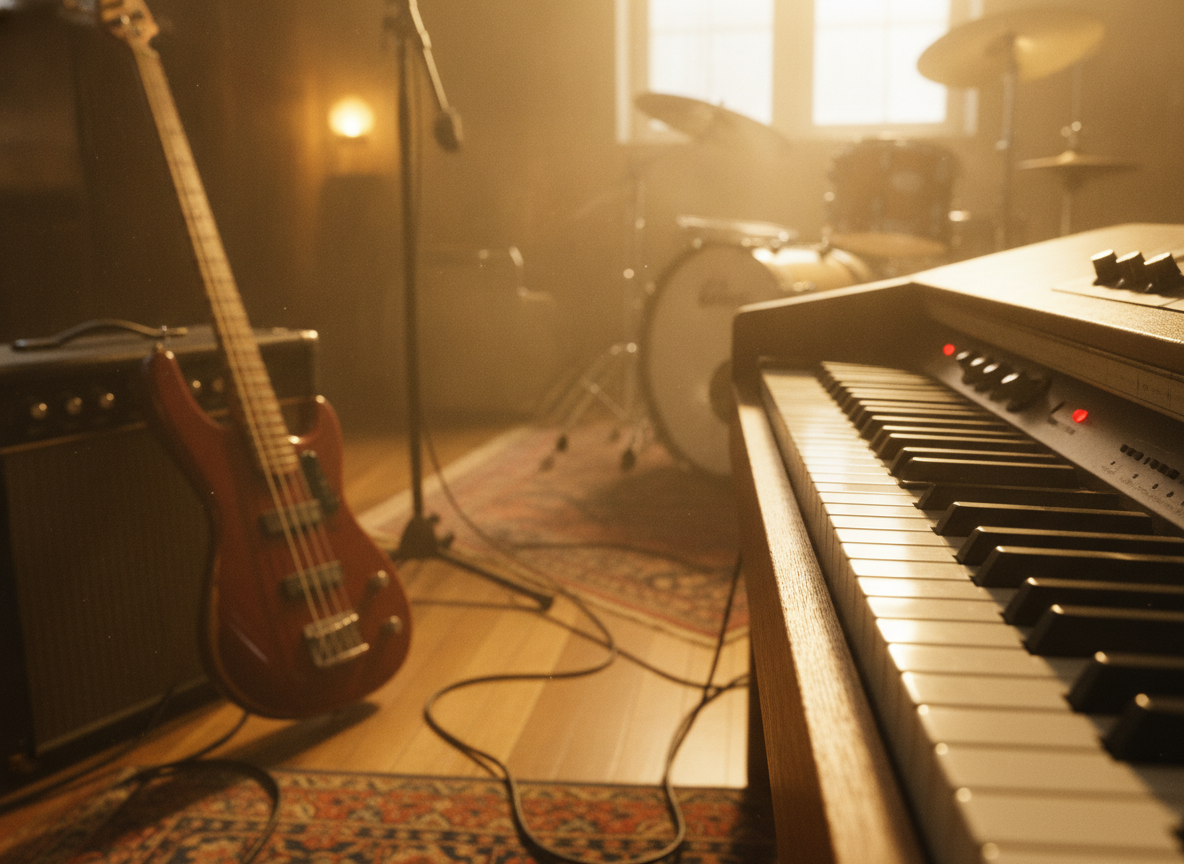
Live players and a hip-hop heartbeat, the Soulquarians framed her songs.
Erykah BaduLead vocals, songwritingThe voice and vision at the center of every record, writing and co-producing across the catalog
QuestloveDrums / productionThe Roots drummer and a Soulquarians anchor, he helped shape the live-band feel of Mama's Gun
J DillaProductionThe revered producer whose off-kilter, soulful beats colored her later, more experimental work
James PoyserKeys / productionA core Soulquarians keyboardist and co-writer whose playing runs through Mama's Gun
Pino PalladinoBassThe session bassist whose deep, melodic lines were central to the Soulquarians sound of the era
The Roots of the Sound
Influences
Badu built her art from jazz phrasing, classic soul, and the great voices of Black American music. Here is where it started.
Jazz
Billie Holiday
The clearest touchstone for Badu's voice: Holiday's intimate, behind-the-beat phrasing and emotional directness echo through her whole style.
Badu is a thoughtful and often funny interview, candid about her creative process, her collaborators, and her independence. Her extended conversations are worth seeking out.
Interview · Lecture
Red Bull Music Academy
In this extended public conversation, Badu discusses success, motherhood, and creative control, offering a rare, unhurried look at how she thinks about her art and career.
Interview · More
The Filmed Conversations
From late-night sit-downs to long-form podcasts and radio, Badu has given many candid interviews over the decades. Search YouTube for more of her conversations and lectures.
Once the studio albums have you, Badu's world opens into live records, mixtapes, and the wider Soulquarians family.
Live. her 1997 live album captures "Tyrone" and the early band in full flight, a warm document of the Baduizm era on stage.
But You Caint Use My Phone. the playful 2015 mixtape, phone-themed and loose, including her take on Drake's "Hotline Bling."
The Soulquarians. explore the connected records of the collective, from The Roots and D'Angelo to Common and Bilal, all sharing players and a sound.
The collaborations. her guest turns and duets, including work with Common and The Roots, trace the neo-soul and hip-hop world she helped build.
The Way to Listen
Do yourself one favor: put on Mama's Gun from start to finish, then go back to Baduizm. Let the grooves stretch out and the phrasing settle in. These are records built to be heard whole.