Bluegrass • The High Lonesome Sound • The Father of a Genre
How a mandolin player from the hills of Kentucky invented an entire kind of American music, then spent sixty years defending it note for note, until a whole genre carried his band's name.
The Short Version
Who Was He?
Bill Monroe (1911–1996) was a Kentucky-born mandolin player, singer, and bandleader who did something almost no one else in music can claim: he invented a genre. The style he built with his band, the Blue Grass Boys, became so distinct and so influential that people started calling the whole music after them. Today we call it bluegrass, and Monroe is its father.
Two things define his sound. First, the drive: fast, tight, acoustic string-band music powered by his hard-chopping mandolin, built for dancing and for showing off. Second, the high lonesome sound, his piercing, keening tenor voice that seems to reach up out of the mountains and hang there, aching and unresolved.
Out of old-time fiddle tunes, gospel harmony, and the blues he heard as a boy, Monroe forged a music that was brand new. His 1945 band, with Lester Flatt and Earl Scruggs, is regarded as the first true bluegrass group, and its blueprint has been copied ever since.
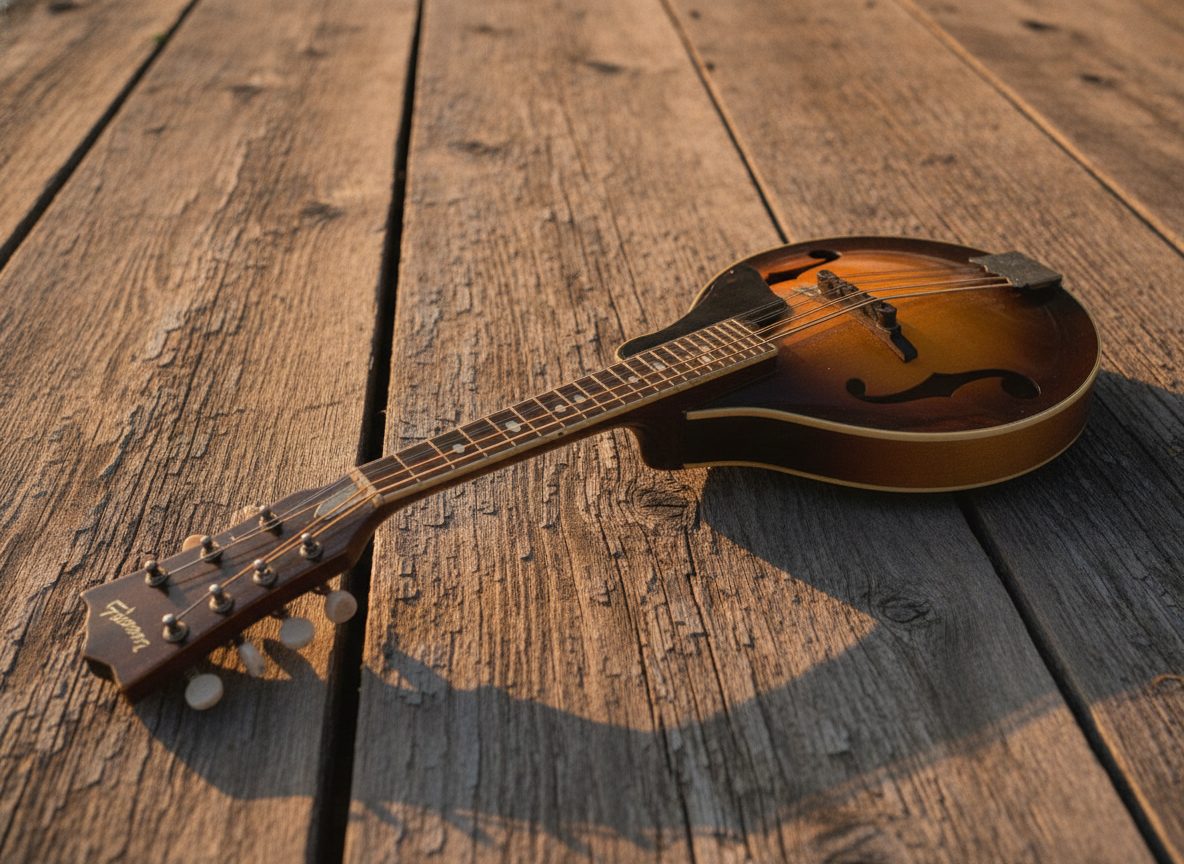
The hard-chopping mandolin at the center of the sound.From Rosine, Kentucky to the Grand Ole Opry
The Story
Monroe's story runs from a hardscrabble Kentucky childhood through the birth of a genre to a lifetime spent as its stubborn, uncompromising keeper.
Old-time string bands and brother duets were the soil bluegrass grew from.
1911
Born in Rosine, Kentucky
The youngest of eight children, Monroe grew up on a farm in the Kentucky hills. Cross-eyed and shy, he was left with the mandolin because his older brothers had claimed the guitar and fiddle. His uncle, fiddler Pen Vandiver, and a local Black guitarist and fiddler named Arnold Shultz shaped his ear early.
1934–1938
The Monroe Brothers
Bill and his brother Charlie became a popular brother duet on radio and record, cutting sides for Bluebird. Their close harmony and blistering tempos hinted at what was coming, but the pair split, and Bill set out to build a band of his own.
1939
Joining the Grand Ole Opry
Monroe formed the Blue Grass Boys, named for his home state, and auditioned for the Grand Ole Opry in Nashville. His high, driving "Mule Skinner Blues" won him a spot on the spot, and the Opry became his home stage for more than fifty years.
1945–1948
The band that started it all
The classic lineup arrived: Lester Flatt on guitar and lead vocal, Earl Scruggs and his revolutionary three-finger banjo roll, Chubby Wise on fiddle, and Howard Watts on bass. This is the group most people call the first real bluegrass band, and the recordings are the genre's founding documents.
1946
"Blue Moon of Kentucky"
Monroe wrote and recorded a lonesome waltz that would become a standard. Eight years later a young Elvis Presley cut it as a rocked-up B-side at Sun Records, carrying Monroe's song straight into the birth of rock and roll.
1948–1960s
The keeper of the flame
Flatt and Scruggs left to form their own band, and the style Monroe built spread far beyond him. As folk and country boomed, Monroe kept his sound pure and hard, mentoring a long line of young players who passed through the Blue Grass Boys.
1967
Bean Blossom and the festival era
Monroe launched his own bluegrass festival at Bean Blossom, Indiana, helping turn bluegrass into a thriving festival culture. A new generation of fans found him, and his elder-statesman years began.
1970–1996
The living legend
Inducted into the Country Music Hall of Fame in 1970 and the Rock and Roll Hall of Fame as an early influence, Monroe performed almost to the end. He died in 1996, days short of his 85th birthday, having outlived nearly everyone who doubted the music would last.
Four Videos, One Education
Start Here
Bill Monroe made hundreds of recordings across sixty years, but these four performances are the fastest way to hear what he built, from the lonesome waltz to the flat-out instrumental showpiece. Watch in order.
01 · The One You Know
"Blue Moon of Kentucky"
Monroe's most famous song, and a perfect first taste: a lonesome waltz turned bluegrass standard. Elvis Presley covered it in 1954, a direct line from the Kentucky hills to the birth of rock and roll.
02 · The Heart
"Uncle Pen"
Monroe's tribute to the fiddling uncle who raised his ear for music. Warm, sung with feeling, and built on the fiddle tunes of his childhood, it is the most personal window into where the whole sound came from.
03 · The Voice
"Mule Skinner Blues"
The song that won him his Grand Ole Opry spot in 1939. Listen for the high, leaping tenor and the driving tempo, the two things that announced a brand-new kind of music before it even had a name.
04 · The Chops
"Rawhide"
A furious instrumental Monroe wrote to prove what a bluegrass band could do. It is a showpiece of speed and precision, and the clearest demonstration of his hard-chopping mandolin driving the whole group forward.
The Recorded Legacy
The Albums 5 to start with
Monroe made his name in the era of singles and radio, so his greatest work lives on across essential compilations and a few landmark records. Start with the green-topped collection of the founding recordings, then follow the thread out.
1945–1949
The Essential Bill Monroe
The founding documents of bluegrass: the classic Flatt, Scruggs, and Wise band at full flight. If you hear one thing, hear this. "Blue Moon of Kentucky," "Kentucky Waltz," "Wicked Path of Sin."
Monroe's gospel side, the sacred harmony singing that was always half the music. High, keening quartets and hymns delivered with the same drive as his secular sides. A window into the spiritual root of the sound.
A live document from Monroe's own Indiana festival, the elder statesman before an adoring crowd. It captures the festival culture he helped create and the loose, joyful energy of bluegrass in the field.
A career-spanning overview for the listener who wants the whole arc in one place, from the early hits through the instrumental showpieces to the late-career classics. A fine single-stop survey of a sixty-year life in music.
Two listening sets: a First Listen of the signature songs to bring you in, and a Deep Cuts set of instrumentals and lesser-known gems for when you want to sink further in. Hit the button on either card to play it.
The Blue Grass Boys was a school as much as a band. Over the decades dozens of the finest players in the music passed through, and a stint with Monroe was a rite of passage. Here are the key members who defined the sound.
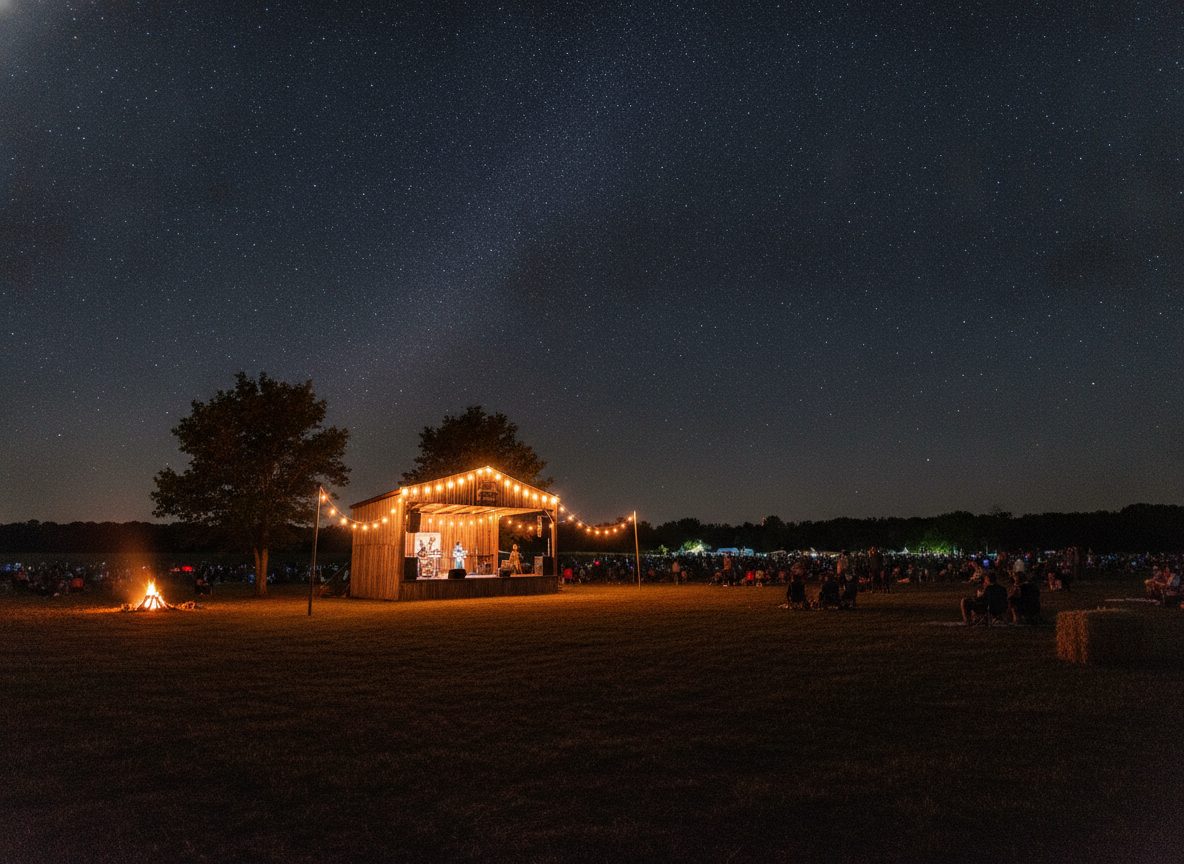
The festival culture Monroe helped build, from Bean Blossom outward.
Bill MonroeMandolin / tenorBandleader, chief songwriter, and the high lonesome voice; his chopping mandolin drove every lineup
Lester FlattGuitar / lead vocalThe warm lead voice of the classic 1945 band; later co-founded Flatt and Scruggs
Earl ScruggsBanjoHis three-finger roll transformed the banjo and gave bluegrass its signature drive
Chubby WiseFiddleThe bluesy, swinging fiddle of the founding band and a key part of its sound
Howard WattsBassKnown on stage as Cedric Rainwater; the steady low end of the first bluegrass band
Kenny BakerFiddleMonroe's longest-serving fiddler, whose smooth tone defined the band across the 1960s and beyond
Del McCouryGuitar / vocalA 1960s Blue Grass Boy who went on to become a bluegrass bandleader and star in his own right
The Roots of the Sound
Influences
Monroe built bluegrass out of the music he grew up on: old-time string bands, the blues of Arnold Shultz, the fiddle of his Uncle Pen, brother-duet harmony, and the early country stars of the radio age. Here is where it started.
The Singing Brakeman
Jimmie Rodgers
The first country star, whose blue yodel and blues-tinged songs Monroe absorbed young. "Mule Skinner Blues" was a Rodgers song before it was Monroe's calling card.
Bill's own first act, with brother Charlie: the close harmony and breakneck tempos that were the direct seedbed for everything the Blue Grass Boys would become.
The Appalachian songbook of hymns, ballads, and parlor songs that fed every early country musician, Monroe among them, and shaped his sense of melody and lyric.
The banjo-playing showman and Grand Ole Opry star whose rollicking string-band music and stage energy were part of the world Monroe stepped into in Nashville.
Monroe was famously plain-spoken and fiercely proud of the music he made. Two archival conversations that get at the man and the mandolin behind the sound.
Interview · The Weekly Special, 1986
Bill Monroe, Performance and Conversation
An Indiana public-television visit with Monroe in 1986, mixing performance with a plain-spoken conversation about his life, the Blue Grass Boys, and the music he spent a lifetime defending.
A vintage television feature on Monroe and the battered Gibson F-5 mandolin he played for decades, the instrument at the heart of the high lonesome sound.
Once the essentials have you, bluegrass opens into a vast family tree, most of it rooted in Monroe's band.
The Blue Grass Boys alumni — trace the players who came up under Monroe: Flatt and Scruggs, Jimmy Martin, Del McCoury, Vassar Clements, Peter Rowan, and more. Following them is a tour of bluegrass itself.
The gospel quartets — the sacred harmony singing was central to Monroe's music. The full gospel sides are some of the most spine-tingling vocal work in American music.
The instrumentals — "Rawhide," "Wheel Hoss," "Jerusalem Ridge," and "Bluegrass Breakdown" show Monroe as a composer, writing showpieces that are still proving grounds for pickers today.
The long shadow — from Elvis covering "Blue Moon of Kentucky" to the Grateful Dead, Ricky Skaggs, and modern jam-grass, Monroe's reach runs far past bluegrass. Chasing the covers is its own education.
The Way to Listen
Do yourself one favor: sit with The Essential Bill Monroe, the 1945 to 1949 sides, and really hear the band. This is the moment a genre was invented in real time. Let the high tenor and the hard-driving rhythm work on you, then follow the thread out to everyone who came after.