New Acoustic Music • Mandolin • The Inventor of Dawg Music
The mandolinist who married bluegrass to gypsy jazz and invented a whole new acoustic language, then spent his life as its patient, prolific keeper. They call it dawg music.
The Short Version
Who Is He?
David Grisman (born 1945) is an American mandolinist and composer who invented a genre and named it after himself, sort of. Steeped in the bluegrass of Bill Monroe but restless for more, in 1975 he formed the David Grisman Quintet and began playing a wild, elegant fusion of bluegrass, 1930s gypsy jazz, and much else that he called, with a wink, dawg music.
His quintet was a proving ground the way Monroe's band had been: it launched Tony Rice, Darol Anger, Mike Marshall, and Mark O'Connor. He was also a lifelong friend and collaborator of Jerry Garcia, a partnership captured on their duo records and the beloved Pizza Tapes. "Dawg," in fact, is the nickname Garcia gave him.
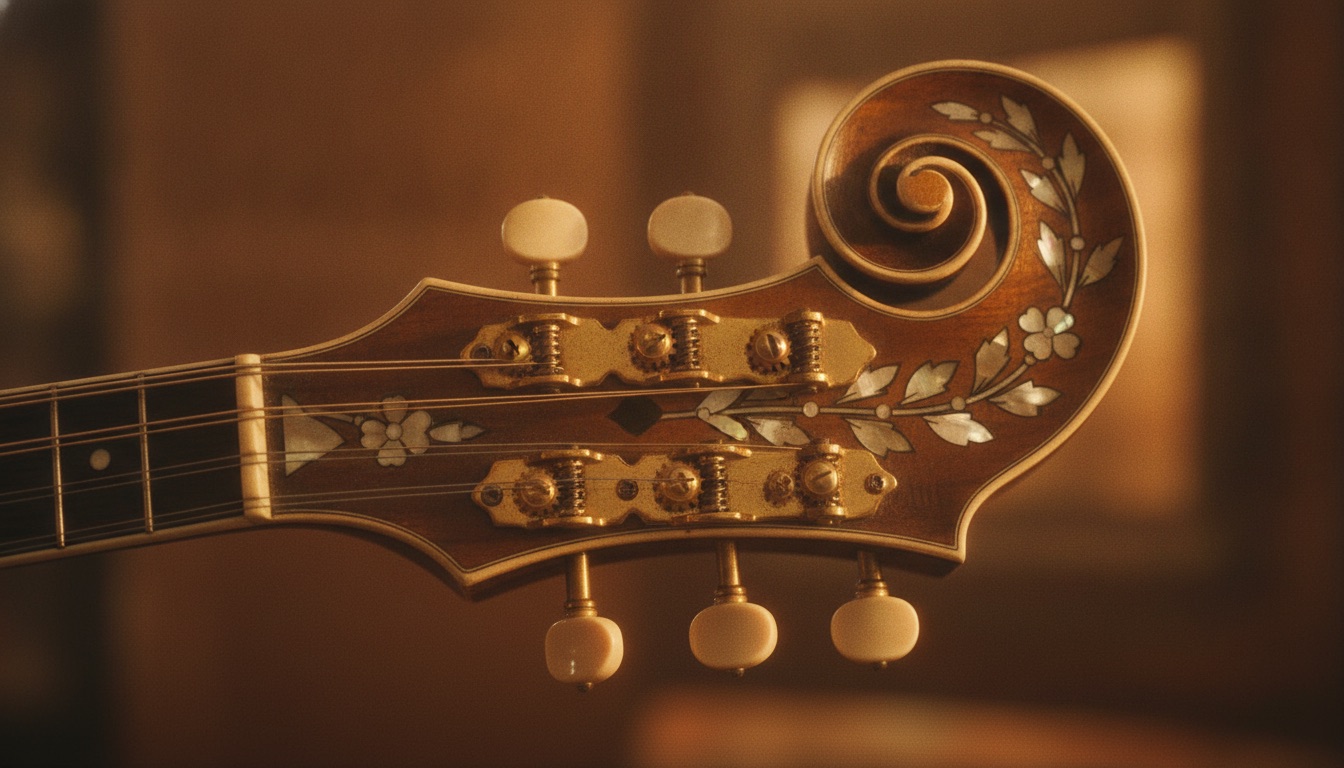
The F-5 mandolin, the voice of dawg music.From Hackensack to the Great American Music Hall
The Story
His career is the story of a bluegrass kid who fell just as hard for Django Reinhardt, and decided he did not have to choose.
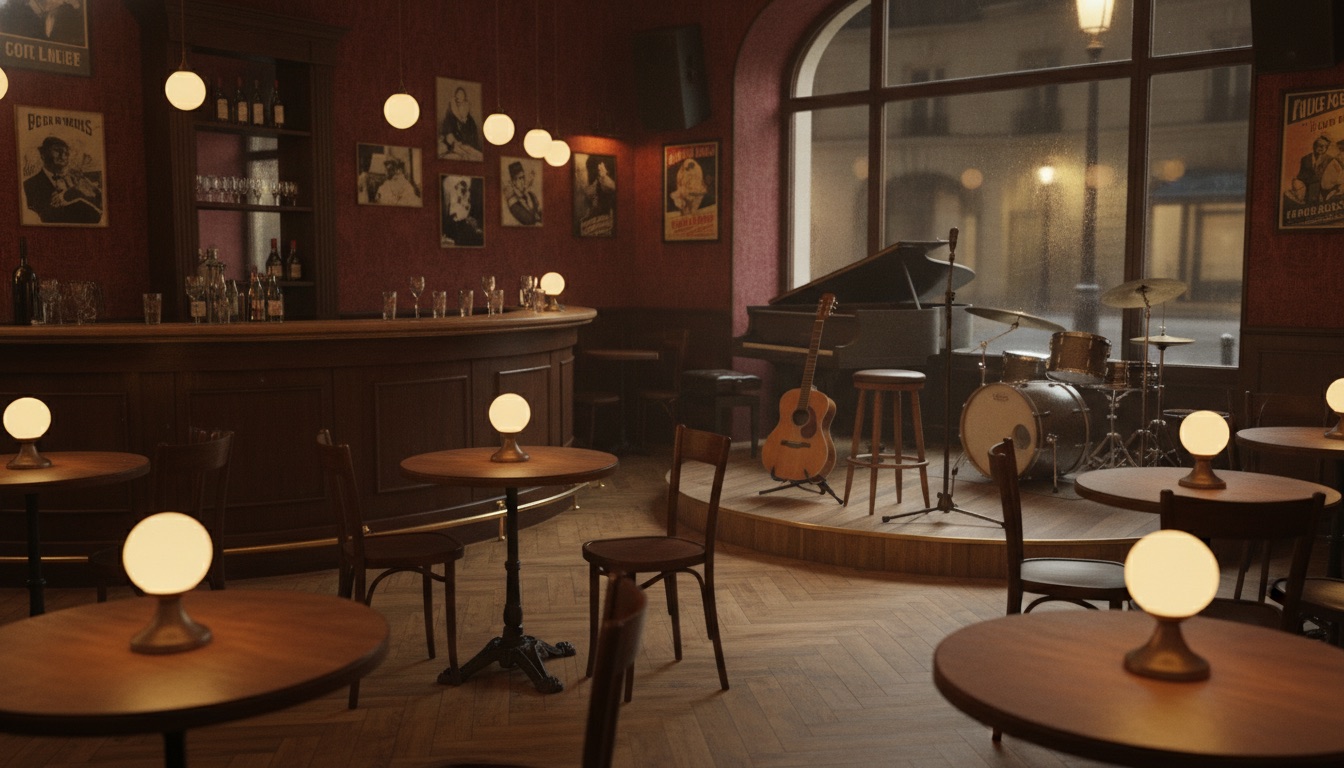
The gypsy-jazz cafe and the bluegrass festival, fused into one music.
1945
Born in Hackensack, New Jersey
Grisman took up the mandolin as a teenager, mentored by folklorist Ralph Rinzler, and immersed himself in Bill Monroe's playing.
1973
Old & in the Way
He co-founded the bluegrass band Old & in the Way with Jerry Garcia, whose live album became one of the best-selling bluegrass records of its time.
1975
The David Grisman Quintet
He assembled a quintet, including a young Tony Rice, to play his original compositions, a chamber-like blend of bluegrass and gypsy jazz he dubbed dawg music.
1977
The self-titled debut
The first David Grisman Quintet album landed like nothing before it, all acoustic, all instrumental, and utterly new, and launched a movement called new acoustic music.
1979 onward
Grappelli and the alumni
He recorded with his idol, gypsy-jazz violinist Stephane Grappelli, while his former sidemen fanned out to define the new-acoustic sound on their own records.
1990
Acoustic Disc
Grisman founded his own label, Acoustic Disc, releasing pristine recordings of his own music and his ongoing collaborations with Jerry Garcia.
Ongoing
The Dawg at large
Now an elder statesman of acoustic music, Grisman keeps recording and touring, celebrated across the bluegrass and jam worlds as one of the instrument's true originals.
Three Recordings, One Introduction
Start Here
These three are the fastest way to hear what dawg music is: the tune that opened the door, the one Marcel calls a favorite, and the graceful waltz at the heart of it.
01 · The Door Opens
"E.M.D."
The opening track of the 1977 debut, the piece that announced dawg music to the world. If you hear one thing, hear this.
02 · The Favorite
"Ricochet"
A quintet reunion performance of the dawg tune Marcel singles out as one of his favorites, all swing and interplay.
03 · The Ballad
"Dawg's Waltz"
The tender, gorgeous side of the music, a melody that shows dawg is as much about grace as it is about chops.
The Catalog
The Essential Records 5 to start with
Five records that trace dawg music from its founding statement to the gypsy-jazz summit and the long retrospective.
1977
The David Grisman Quintet
The founding document of new acoustic music. Start here.
Dawg music is what happens when a musician refuses the usual borders. Grisman grew up worshipping Bill Monroe's mandolin, but he loved the swing and sophistication of Django Reinhardt and Stephane Grappelli just as much, along with Brazilian choro, klezmer, and swing-era jazz. Rather than play any of them straight, he wrote original instrumental compositions that dissolved the lines between them, played on bluegrass instruments with jazz harmony and a chamber group's precision. He needed a name that belonged to none of the parent genres, so he borrowed the nickname Jerry Garcia had given him and called it dawg.
What made it more than a curiosity was Grisman's role as a bandleader and talent magnet. Like Bill Monroe before him and Sam Bush alongside him, he built a group that became a school. The original David Grisman Quintet gave Tony Rice, Darol Anger, and later Mike Marshall and Mark O'Connor a place to develop, and when they left to make their own records, the whole new-acoustic movement bloomed. His fingerprints are on virtually everything those players did next.
His long partnership with Jerry Garcia mattered just as much in a different direction. The two shared a deep love of old-time and bluegrass, and their relaxed, exploratory duo recordings, along with the famous Pizza Tapes with Tony Rice, carried acoustic music to the enormous jam-band audience. In 1990 Grisman founded Acoustic Disc to release all of it on his own terms, a fitting move for a man who had spent his life doing exactly what he wanted with the mandolin.
Northern California, the home base of dawg music.The Roots of the Sound
Influences
Dawg music is bluegrass and gypsy jazz braided together, with a few close collaborators woven in. These are the sources.
Father of Bluegrass
Bill Monroe
The mandolin hero Grisman grew up studying, the bluegrass half of dawg.
Grisman is a generous, funny talker about a music he built from scratch. These interviews catch him on the mandolin, the tradition, and the birth of dawg.
In His Own Words · The Birth of Dawg
Grisman on Mandolin and Dawg Music
A wide-ranging conversation on the instrument, the tradition, and how the music came to be.
Once dawg music has you, the players Grisman launched and the friends he made music with all reward the same attention.
Tony Rice: the guitarist the quintet launched, and the other pillar of new acoustic music. See the guide.
Garcia / Grisman: the beloved duo records with Jerry Garcia. See the guide.
The Pizza Tapes: Grisman, Garcia, and Tony Rice, picking for the joy of it. See the guide.
Bill Monroe: the bluegrass mandolin bedrock beneath it all. See the guide.
Old & in the Way: his early bluegrass band with Jerry Garcia, a landmark in its own right.
The Way to Listen
Put on "E.M.D." and just let the strangeness wash over you. It is bluegrass instruments playing something that is not quite bluegrass and not quite jazz, and that in-between space is the whole point of dawg music.