The young DC band that, at the height of the newgrass era, played fierce, authentic, hard-core traditional bluegrass and helped spark the whole neo-traditional revival.
The Short Version
Who Were They?
The Johnson Mountain Boys were a young Washington DC-area band, led by guitarist and powerhouse singer Dudley Connell, who did something quietly radical in the 1980s: they played fierce, authentic, hard-core traditional bluegrass at the exact moment everyone else was reaching for newgrass and progressive sounds. Sharp-dressed and devoted to the first generation, they became a sensation.
Their commitment to the old sound, the drive, the high harmony, the classic repertoire, made them a cornerstone of the neo-traditional revival that Marcel describes, standing alongside the Bluegrass Album Band as proof that hard traditional bluegrass still had enormous power. They showed a whole generation that "traditional" could be thrilling.
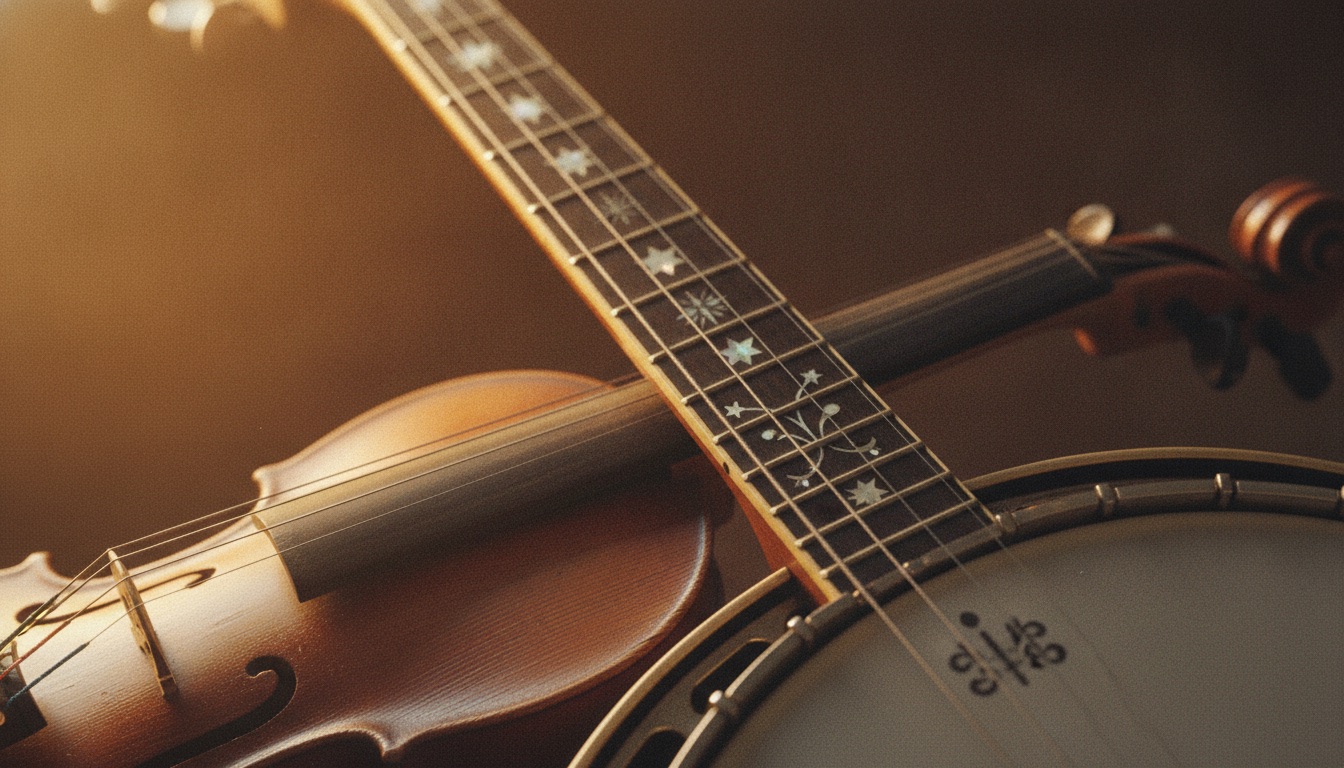
Fiddle and banjo, played with fierce traditional drive.Young Believers in the Old Sound
The Story
Their story is brief and bright: a band that burned hot, meant everything it played, and left a lasting mark.
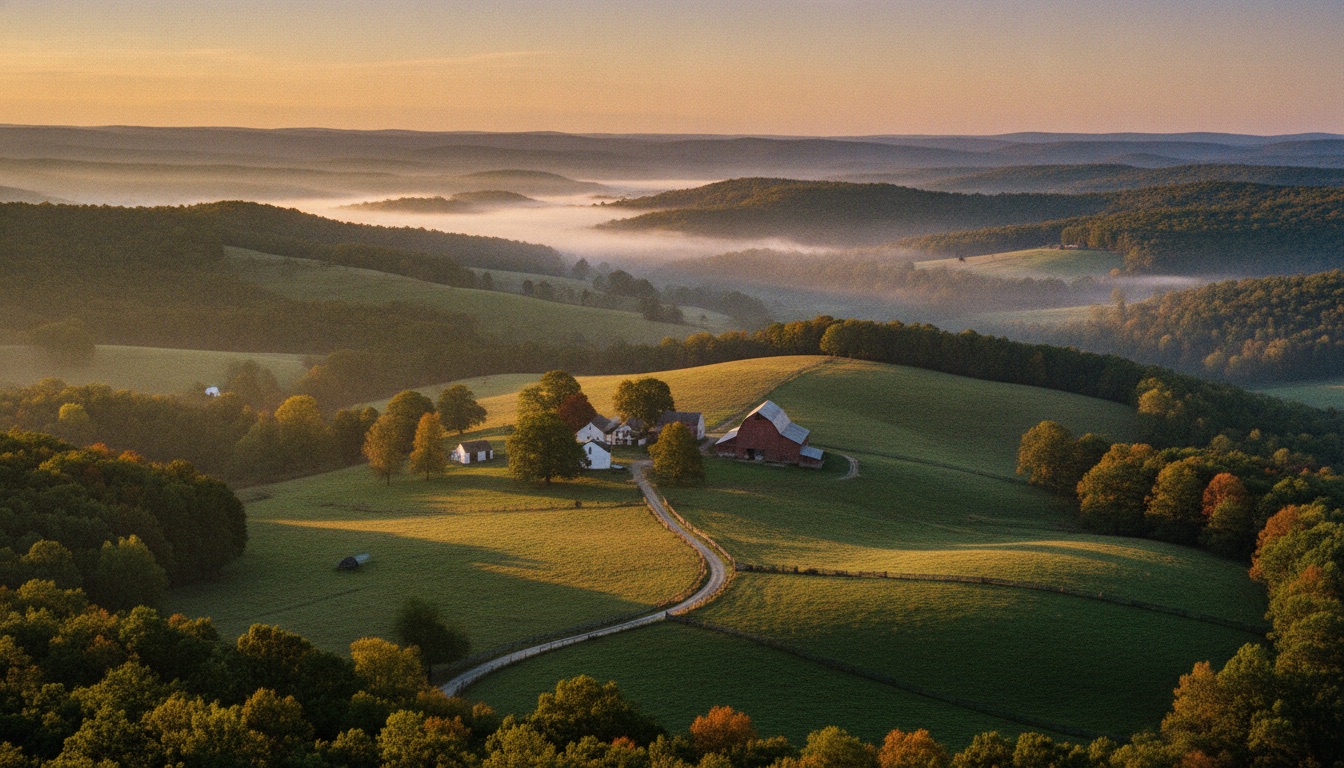
The Mid-Atlantic hills the band came from.
1978
A young traditional band
Formed in the DC and Maryland area around Dudley Connell, the band set out to play hard traditional bluegrass with total conviction.
early 1980s
Against the grain
While newgrass and progressive bluegrass dominated, the Johnson Mountain Boys went the other way, and audiences were electrified.
1984
Live at the Birchmere
Their live album from the famous DC club captured the band's fire and established their reputation.
1988
At the Old Schoolhouse
Their Grammy-nominated double live album became a landmark of the traditional revival.
1988–90s
Off the road, and reunions
Weary of touring, the band wound down but reunited periodically, their influence still growing.
After
Where they went
Dudley Connell joined the Seldom Scene; fiddler Eddie Stubbs became a beloved Grand Ole Opry announcer.
Three Recordings, One Introduction
Start Here
These three are the fastest way to hear the band: the Monroe classic, the showpiece, and the live fire.
01 · The Classic
"Walls of Time"
Their fierce take on the Bill Monroe classic, Dudley Connell's voice cutting clean through. Start here.
02 · The Showpiece
"Duncan and Brady"
A driving, banjo-powered romp that shows the band at full tilt.
03 · Live
"She's Young (And I'm Growing Old)"
From Live at the Birchmere, the band's live intensity on full display.
The Catalog
The Essential Records 4 to start with
Four records, weighted toward the live albums where the band's fire burned brightest.
1988
At the Old Schoolhouse (Live)
The Grammy-nominated double live album, a landmark of the traditional revival. Start here.
What made the Johnson Mountain Boys matter was conviction. In the early 1980s, the smart money in bluegrass was on fusion, newgrass, progressive experiments, crossover appeal. This young band bet the other way entirely, playing the hardest, most traditional bluegrass they could, with a reverence for the first generation that bordered on the devotional. They even dressed the part, in matching suits and hats, a deliberate statement that the old ways were worth honoring.
Crucially, they were not a nostalgia act. Led by Dudley Connell's searing high-lead voice and powered by first-rate playing from fiddler Eddie Stubbs and their banjo and mandolin players, the band brought a young person's energy and ferocity to the traditional style. Their live shows, captured on Live at the Birchmere and At the Old Schoolhouse, are some of the most exciting hard-bluegrass recordings ever made.
Their timing mattered as much as their talent. By proving that fierce traditional bluegrass could thrill a modern audience, the Johnson Mountain Boys helped anchor the neo-traditional revival, giving younger players permission to love and play the old sound without apology. The line from them runs straight to the many contemporary bands who treat classic bluegrass as a living, burning thing rather than a museum piece.
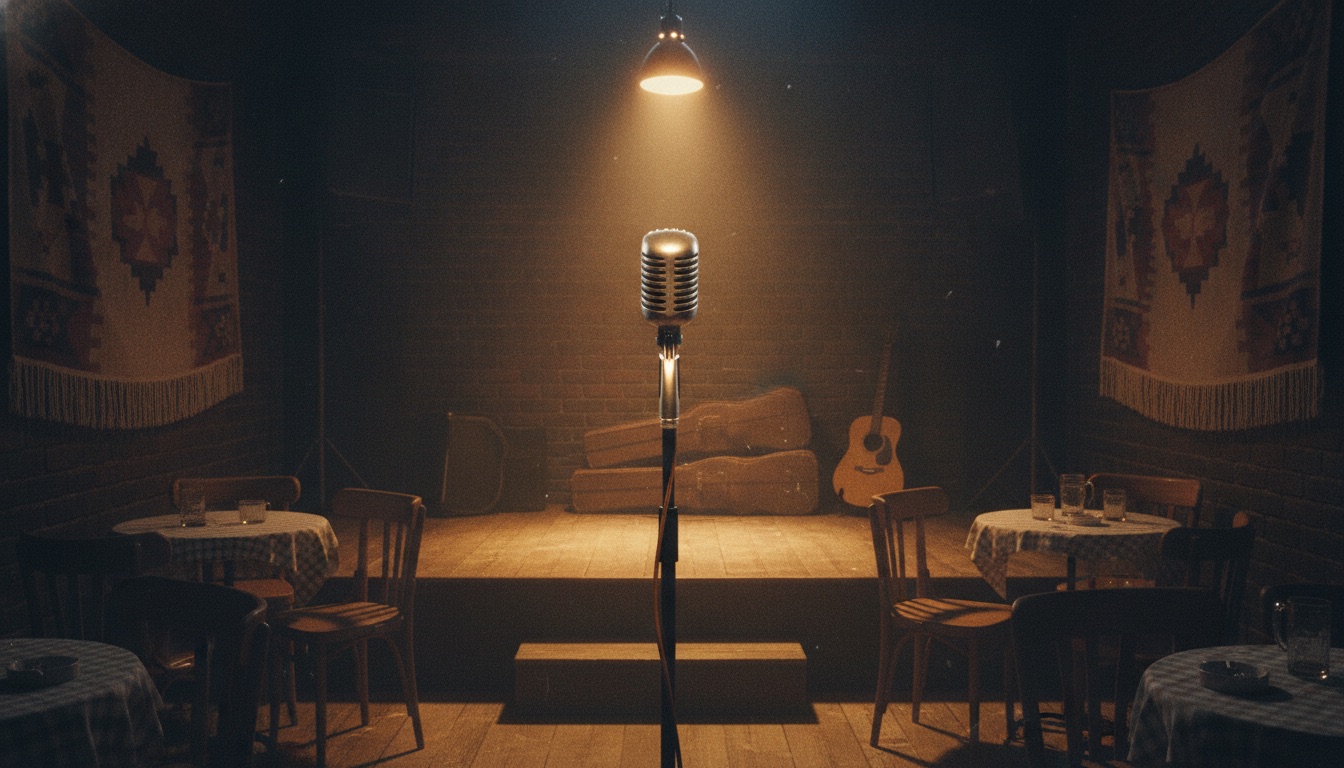
The Birchmere, where their fire was captured on record.The Roots of the Sound
Influences
The band drew straight from the first generation of bluegrass they revered. These are the sources.
High Lonesome
The Stanley Brothers
The deep, mournful traditional sound that was the band's north star.