The Canadian songwriter, based in Los Angeles, who built one of the most recognizable sounds of 2010s indie rock out of warped, laid-back guitars, lo-fi home production, and a plainspoken pop instinct.
The Short Version
Who Is He?
Mac DeMarco (born in Canada in 1990 and later based in Los Angeles) is a singer, songwriter, guitarist, and producer who became a defining voice of 2010s independent rock. Working largely on his own, he developed an immediately identifiable sound: soft, detuned electric guitars, an unhurried tempo, and warm lo-fi production recorded at home.
Two things make him stand out. First, the tone: his warped, chorus-drenched guitar sound and gently off-kilter tuning are so distinctive that they have been widely imitated across a generation of bedroom-pop and indie acts. Second, the self-reliance: he writes, plays, records, mixes, and produces most of his music himself, which gives even his studio albums the intimacy of a demo.
Across a run of albums for the Captured Tracks label and his own imprint, he moved from scrappy jangle-rock toward slower, more spacious and synth-tinged records, all while keeping the homemade, unforced quality that defines the style often called slacker rock.
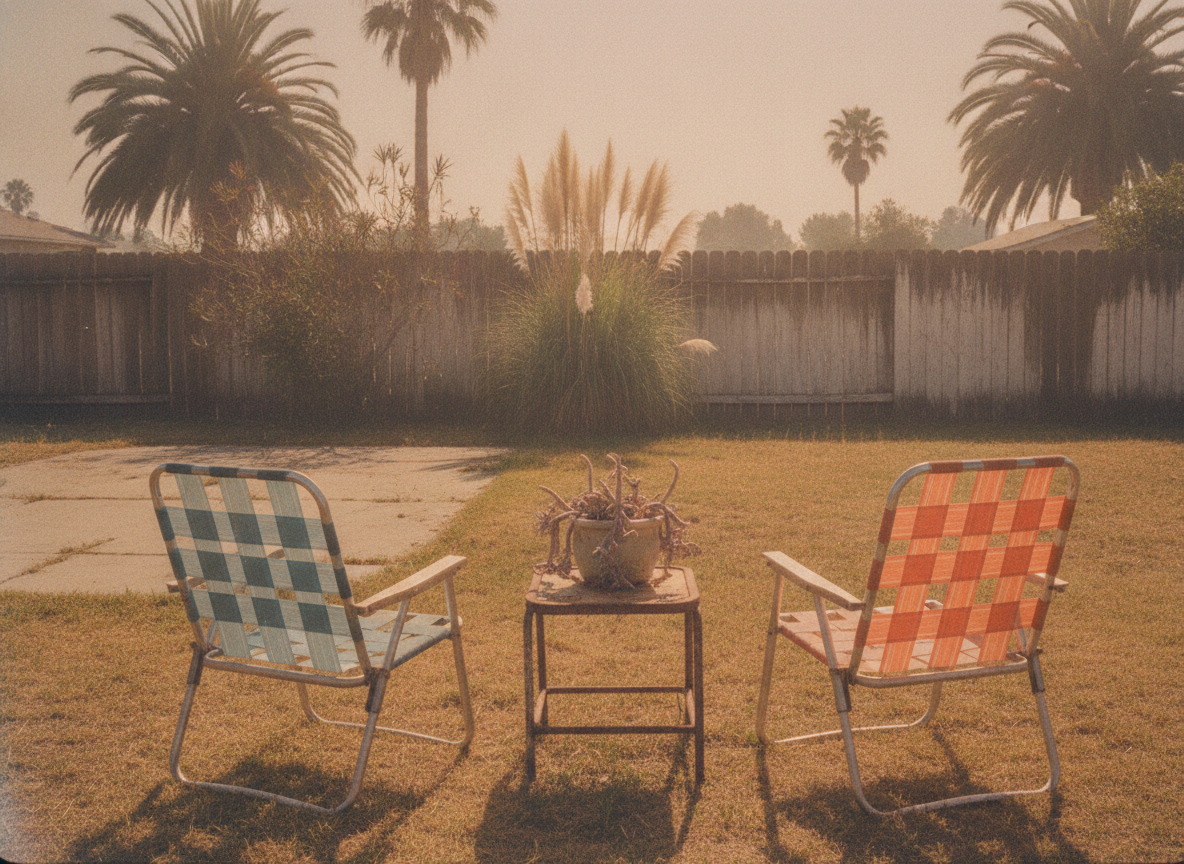
Sun-bleached California and a home studio, the ground this music grows from.From Bedroom Recordings to a Signature Sound
The Story
DeMarco's career is a steady progression from scrappy, self-released material toward a fuller, more relaxed studio sound, all of it built around his own playing and production.
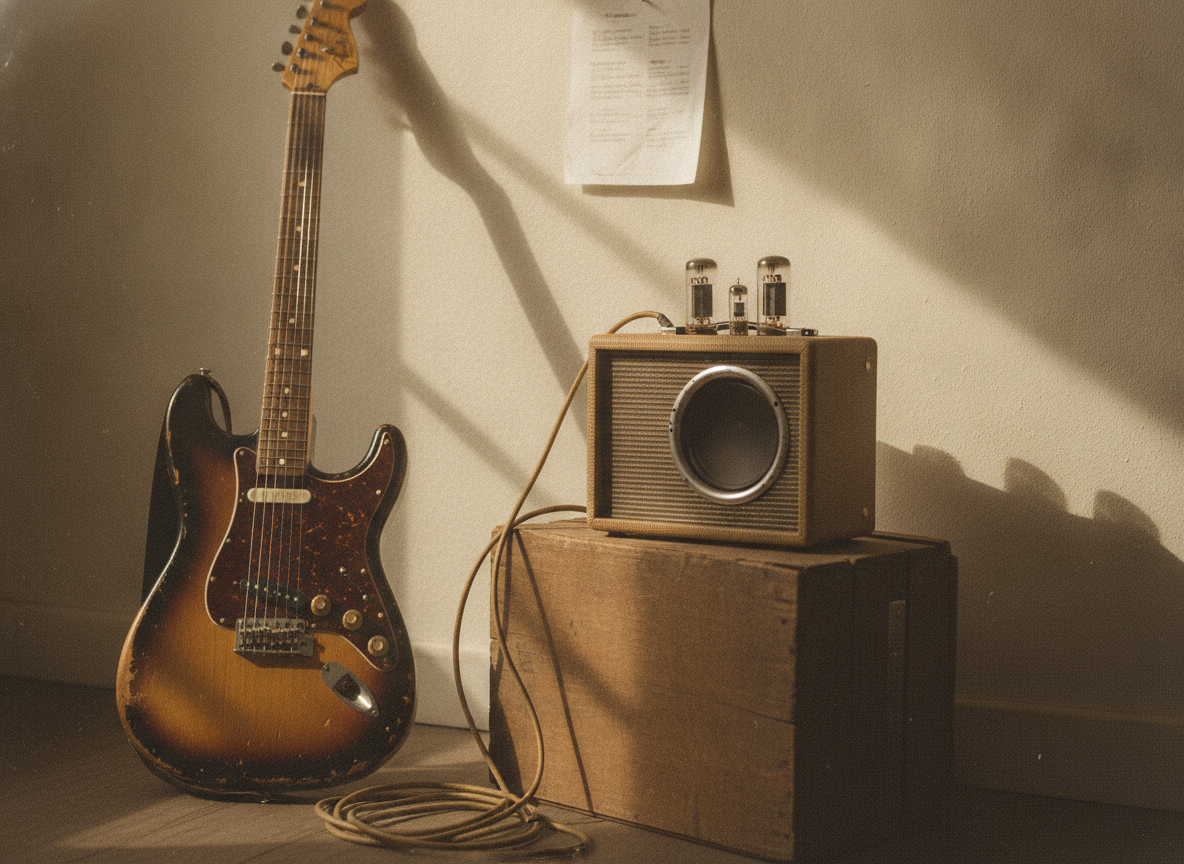
Vintage guitars, a small amp, and a home setup: the tools behind the tone.
2012
2
After the mini-album Rock and Roll Night Club, DeMarco released 2 on Captured Tracks. Its loose, jangly guitar songs and lo-fi warmth introduced the sound that would define him and earned him a devoted early following.
2014
Salad Days
His breakthrough record. Tighter and more assured than its predecessor, it broadened his palette with keyboards and softer textures while keeping the homemade feel, and it made him a central figure in indie rock.
2015
Another One
A short mini-album of gentle, keyboard-led love songs. Its brevity and consistency of mood showed how much atmosphere he could wring from a small, self-recorded setup.
2017
This Old Dog
Recorded after his move west, the album leaned further into acoustic guitar, drum machines, and synthesizers, trading some of the early jangle for a quieter, more reflective and spacious sound.
2019
Here Comes the Cowboy
A slow, minimal, and often sparse record built on repetition and restraint. It pushed his laid-back approach to its extreme, favoring mood and groove over conventional hooks.
Four Songs, One Education
Start Here
DeMarco's catalog rewards patience, but these four tracks are the fastest way to grasp the sound, from early jangle to the slower, dreamier later style. Watch in order.
01 · The Signature
"My Kind of Woman" (2012)
From 2, the song that first crystallized the DeMarco sound: soft, wobbly guitar, an unhurried melody, and warm lo-fi production. The essential starting point.
02 · The Breakthrough
"Salad Days" (2014)
The title track of his breakthrough album, a little tighter and more polished than the early work while keeping the homemade warmth intact.
03 · The Synth Turn
"Chamber of Reflection" (2014)
A keyboard-driven highlight from Salad Days that trades jangle for hazy synthesizers, pointing toward the dreamier direction of the later records.
04 · The Early Jangle
"Freaking Out the Neighborhood" (2012)
Another cornerstone from 2: loose, easygoing guitar-pop that shows the scrappy, homemade energy at the root of the whole catalog.
The Landmark Records
The Albums 5 to start with
DeMarco has released a compact, consistent run of albums and mini-albums. These five map the arc from early jangle to the spare later style. The highlighted card is the best place to begin.
2012
Rock and Roll Night Club
The early mini-album that opened his run on Captured Tracks. Woozy, pitched-down, and deliberately strange, it introduced the warped tone that he would refine on later records.
The album that established the sound. Loose, jangly, and lo-fi, it collects the early signatures "My Kind of Woman," "Ode to Viceroy," and "Freaking Out the Neighborhood" and built his first devoted audience.
The breakthrough and a perfect place to start. Tighter and warmer than its predecessor, it balances jangle-pop with keyboard-led tracks like "Chamber of Reflection" and remains his defining statement.
A short, gentle mini-album of keyboard-led love songs. Its consistent, easygoing mood makes it one of the most immersive entries in the catalog and a natural next step after Salad Days.
The slow, minimal late-period record. Built on repetition and restraint, it strips the sound down to mood and groove, showing how far he pushed the laid-back approach.
Two YouTube Music sets: a First Listen of the signature songs to bring you in, and a Deep Cuts set of the quieter, headphone-reward tracks for when you want to sink in. (Ideally, though, hear these albums whole.) Hit the button on either card to play it.
DeMarco is essentially a one-man studio operation, but a small circle of labels, bandmates, and engineers surrounds the records and brings them to the stage.
Most of these records were written, played, and produced at home by DeMarco himself.
Mac DeMarcoWriter / multi-instrumentalist / producerSelf-records most of his catalog at home, playing guitars, bass, keys, and drums and handling the mixing, which gives the albums their intimate, homemade character
Captured TracksRecord labelThe independent Brooklyn label that released his early breakthrough records, including Rock and Roll Night Club, 2, Salad Days, and Another One
Mac's Record LabelPersonal imprintThe self-run label he launched for later releases, extending the do-it-yourself approach from the recording to the release itself
Touring bandLive ensembleOn stage the home recordings are fleshed out by a full band of longtime collaborators, known for loose, playful, and improvisational live shows
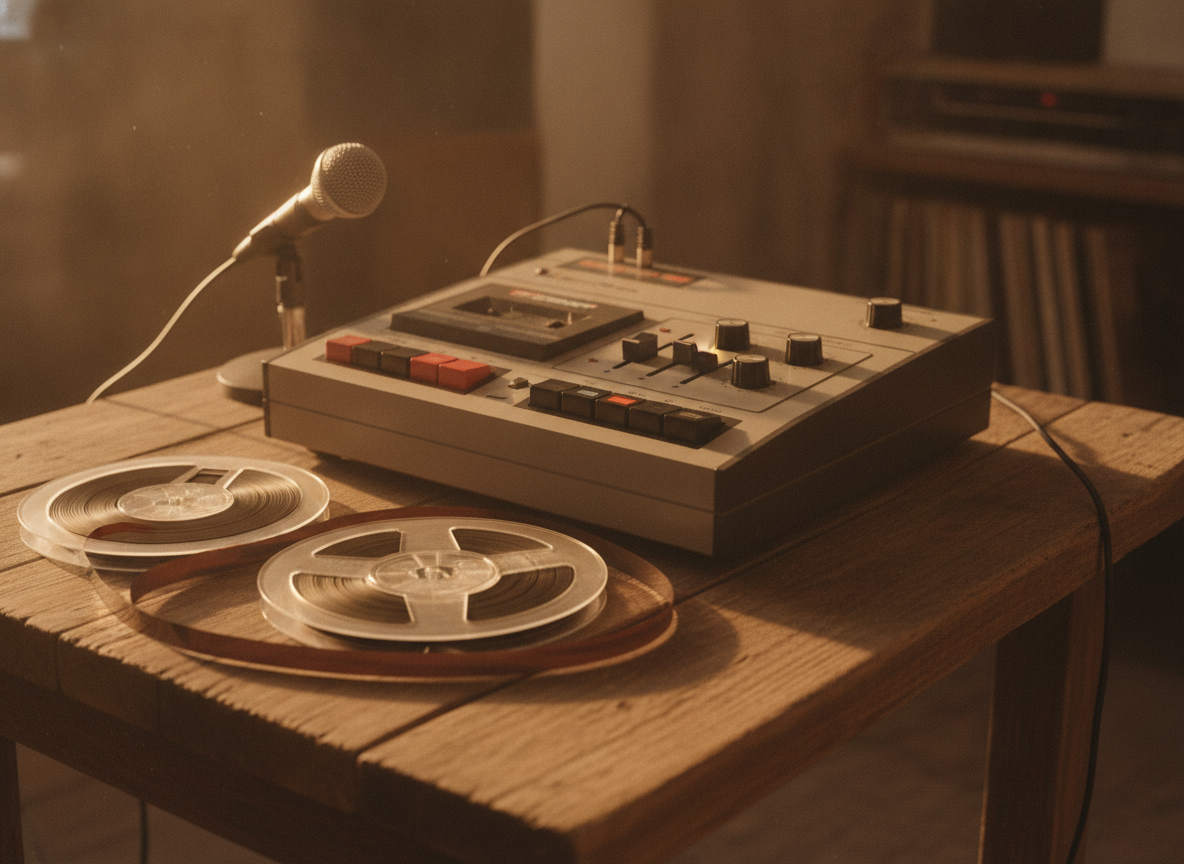
Home studioRecording approachRather than a marquee outside producer, the defining "collaborator" is the low-fidelity home setup itself, from cassette-era warmth to a spare Los Angeles workspace
The Roots of the Sound
Influences
DeMarco's sound draws on classic pop melody, plainspoken proto-punk, and meticulously produced soft rock. Here are a few of the touchstones behind the tone.
Pop
The Beatles
A foundational reference point for melody and studio craft. The Beatles' knack for concise, hook-driven songwriting sits under the pop instincts in DeMarco's writing.
Richman and the Modern Lovers modeled a plainspoken, unpretentious approach to songwriting that DeMarco has often cited, favoring directness and charm over polish.
The smooth harmony, jazzy chords, and studio precision of Steely Dan inform the mellow, carefully arranged side of DeMarco's later, keyboard-tinged records.
Otis's warm, homemade soul, built on layered self-played parts and gentle grooves, is a clear kindred spirit to DeMarco's one-man, low-key production style.
DeMarco is a relaxed and candid interview, happy to talk gear, recording, and process. His conversations pull back the curtain on the home-studio approach.
Interview · Documentary
"Pepperoni Playboy" (Pitchfork)
A short documentary portrait that follows DeMarco at home and on the road, offering a close look at the personality and the do-it-yourself working methods behind the records.
Interview · Archive
The Filmed Conversations
Beyond the documentaries, DeMarco has given many gear rundowns, studio tours, and long-form interviews over the years. Search YouTube for clips and conversations.
Once the core albums have you, DeMarco's world opens into demos, instrumentals, and long-form experiments.
The demo collections. companion demo sets like Salad Days Demos and Old Dog Demos reveal the songs in their earliest homemade form, a window into his writing process.
The instrumental records. releases such as Some Other Ones and the long instrumental project Five Easy Hot Dogs foreground the atmosphere and tone over vocals.
Rock and Roll Night Club. the woozy, pitched-down early mini-album is the strangest corner of the catalog and a fascinating look at where the sound began.
The later work. records like This Old Dog and the 2023 and 2025 releases trace how the style has slowed, spread out, and turned inward over time.
The Way to Listen
Do yourself one favor: put on Salad Days from start to finish, then 2. Play them quietly, late, on headphones. The warmth and the small production details are the whole point, and they reward the attention.