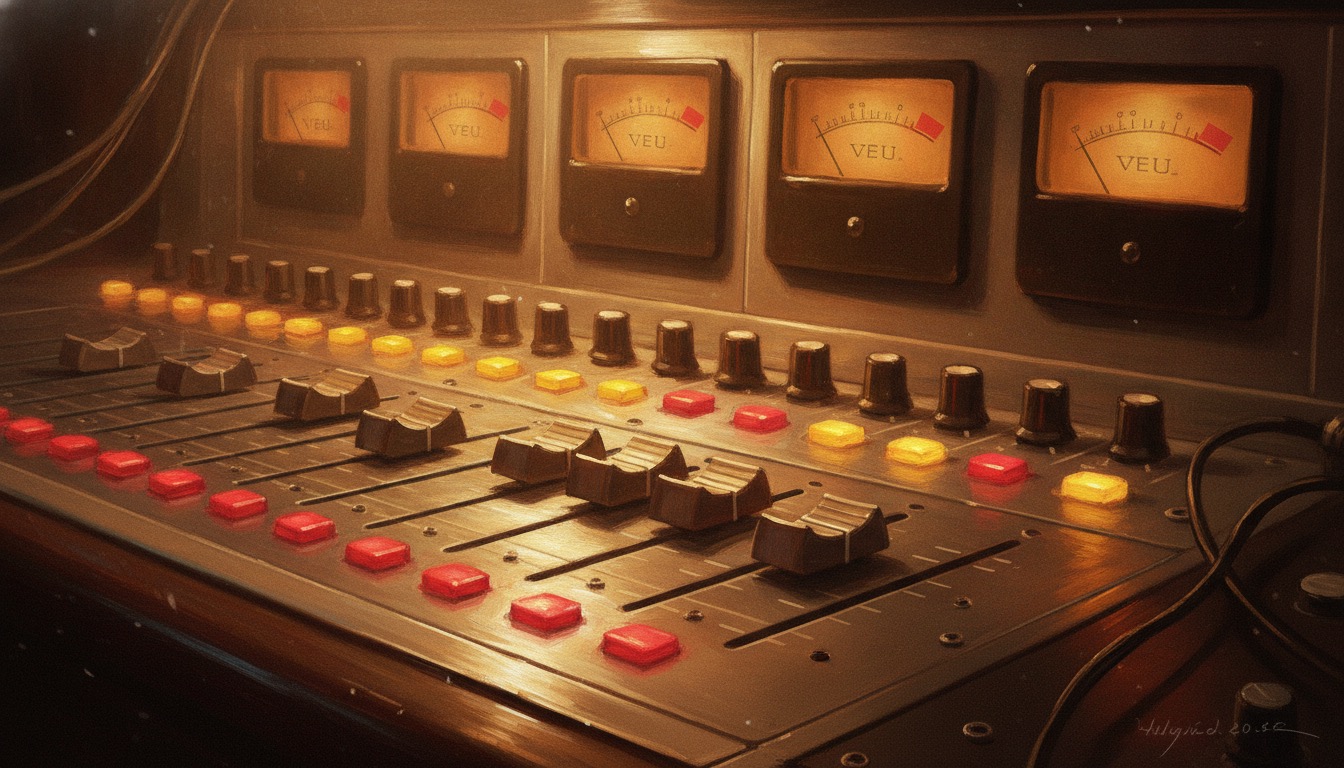
Jazz-Rock • Studio Perfection • Sardonic Sophistication
How two wisecracking studio obsessives hired the best musicians in the world to build immaculate, jazz-laced rock records full of cryptic stories and hidden darkness.
The Short Version
Who Is This?
Steely Dan is the studio project of Donald Fagen and Walter Becker, two sardonic, jazz-obsessed songwriters who made some of the most polished and sophisticated records in all of rock. Rather than a fixed band, Steely Dan was really the two of them plus a rotating cast of the best session musicians alive, assembled in pursuit of perfection.
Two things make them singular. First, the craft: the playing, arranging, and production are immaculate, full of lush jazz chords and impossibly clean grooves, obsessed over take after take until every note was right. Second, the writing: beneath the smooth surfaces are cryptic, witty, often dark stories about losers, creeps, and dreamers, delivered with a raised eyebrow.
They sound like easy listening until you actually listen, and then a strange, sophisticated, faintly sinister world opens up. If you want rock that rewards close attention and has jazz in its bones, start here.
Sun-faded, after-dark Los Angeles: the world of the songs.From a Band to a Studio Machine
The Story
Steely Dan's story is one of steady retreat from the stage into the studio, and toward ever greater perfection.
1972
Can't Buy a Thrill
Fagen and Becker, who met at Bard College, launched Steely Dan as a proper band and scored immediately with "Do It Again" and "Reelin' in the Years."
1973
Countdown to Ecstasy
A tougher, jazzier, more musicianly album that pushed away from radio hits and toward the sophisticated sound they really wanted.
1974
Pretzel Logic, and leaving the road
With "Rikki Don't Lose That Number," they had another hit, then stopped touring entirely to become a pure studio operation built around hired guns.
1976
The Royal Scam
Darker and more guitar-driven, with "Kid Charlemagne," it deepened the sense that these smooth records were hiding sharp edges and seedy stories.
1977
Aja
Their masterpiece: lush, jazzy, and flawlessly played by an all-star cast. It was a huge hit, won a Grammy, and became the definitive Steely Dan album.
1980
Gaucho, and the split
An even more meticulous record that reportedly took years and a fortune to finish. The duo then split, exhausted, and went their separate ways for over a decade.
1993-2017
The reunion
Fagen and Becker reunited to tour and record, winning the Album of the Year Grammy for Two Against Nature in 2001. Becker died in 2017; Fagen carries the name on.
Smooth surfaces with something darker underneath.Three Songs, One Education
Start Here
Three songs across the arc: the debut smash, the twin-guitar hit, and the studio-perfect peak. Listen in order.
01 · The Debut
"Do It Again" — 1972
A hypnotic, Latin-tinged groove with an electric-sitar solo and a lyric about compulsion and fate. The first sign that this was no ordinary rock band.
02 · The Hit
"Reelin' in the Years" — 1972
A bright, bitter kiss-off wrapped around one of the most joyful guitar solos in rock, here on 1970s television. Proof they could make sophistication sound like fun.
03 · The Peak
"Peg" — 1977
From Aja, a masterclass in groove, harmony, and studio perfection, right down to a guitar solo they reportedly auditioned dozens of players to nail. The Steely Dan sound in full.
The Studio Catalog
The Albums 6 to start with
A near-flawless run of seventies records that grew steadily more sophisticated. The gold-topped cards mark the best entry points; the moss-green marks the debut.
1972
Can't Buy a Thrill
The debut, still a proper band, with "Do It Again" and "Reelin' in the Years." Poppier than what came later, and an easy way in.
The famously perfectionist final album of their first run, glossy and cool, with "Hey Nineteen." The sound of two men polishing a record to a mirror shine.
One curated YouTube Music playlist gathering the essentials across their seventies run, from the early hits to the studio-perfect peak. (Ideally, though, spend time with these albums whole.) Hit the button below to play it.
Steely Dan was really two people: Donald Fagen, the keyboardist and lead singer with the sardonic, nasal voice, and Walter Becker, the guitarist and bassist and co-writer of every song. Everyone else on the records, and there were dozens of the finest session players in the world, was hired to realize their exacting vision.
That perfectionism is the whole story. Famous for cutting take after take and auditioning player after player to nail a single solo, they built records with a cleanliness and precision almost no one else attempted in rock. The result is music that sounds effortless precisely because so much effort went into it.
The other half is the writing. Their lyrics are cryptic, literate, and darkly funny, full of shady characters, failed romances, and hints of drugs and decay, usually sung with a cool detachment that lets the darkness sneak up on you. You can enjoy the grooves for years before you notice what the songs are actually about.
Underneath it all is jazz. Fagen and Becker loaded their pop songs with the harmony, phrasing, and improvisation of the jazz they loved, which is why Steely Dan rewards musicians and close listeners so richly. It is pop music built with a jazz musician's ears.
The studio was the real instrument.The Roots of the Sound
Influences
Steely Dan poured jazz harmony and pop craft into rock, drawing on the greats of both worlds. Here are four touchstones.
The Jazz Cool
Miles Davis
The harmonic sophistication and cool restraint of Miles Davis is a foundation of the jazz sensibility that runs through every Steely Dan record.
The Beatles' studio ambition and songwriting craft set the standard for treating the recording studio itself as a creative instrument, exactly as Steely Dan would.
Fagen and Becker were famously dry, funny, and guarded interviews. A reflection on their partnership, and the definitive documentary on their masterpiece.
Interview · AXS TV
Fagen on the Partnership
Donald Fagen reflects on his decades-long creative partnership with Walter Becker, a rare, candid look at the two minds behind the immaculate records.
The classic documentary on the making of Aja, with Fagen, Becker, and their session players walking through how the record was built, note by obsessive note.
Once the classics have you, there is a lot to reward close attention.
Katy Lied — the 1975 album between Pretzel Logic and The Royal Scam is an underrated gem worth folding into the essentials.
Two Against Nature — the 2000 reunion album that won Album of the Year proves the old magic survived the long layoff.
The Nightfly — Donald Fagen's 1982 solo debut is essentially a lost Steely Dan album, and a masterpiece in its own right.
The lyrics — half the fun is decoding what the songs are actually about; a deep community exists online doing exactly that.
The Way to Listen
Start with Aja front to back, on the best speakers or headphones you have. It is their masterpiece and the clearest single case for why two studio obsessives are revered as some of the finest craftsmen in rock. Then work backward through the seventies.