Five musicians who backed Bob Dylan when he went electric, then made rustic, communal albums that helped invent Americana, trading instruments and lead vocals across a deep well of American roots styles.
The Short Version
Who Are They?
The Band were a Canadian-American roots-rock group who formed in the early 1960s as the backing outfit for rockabilly singer Ronnie Hawkins, then rose to fame accompanying Bob Dylan on his controversial 1965–1966 electric tour. Four Canadians (Robbie Robertson, Rick Danko, Richard Manuel, and Garth Hudson) and one Arkansan (Levon Helm) built a sound rooted in blues, country, gospel, and R&B.
Two things set them apart. First, the communal craft: they traded instruments and passed lead vocals among three distinct singers, so no single voice dominated. Second, the sense of place: songs like "The Weight" and "The Night They Drove Old Dixie Down" felt like weathered American folklore, and helped define what we now call Americana.
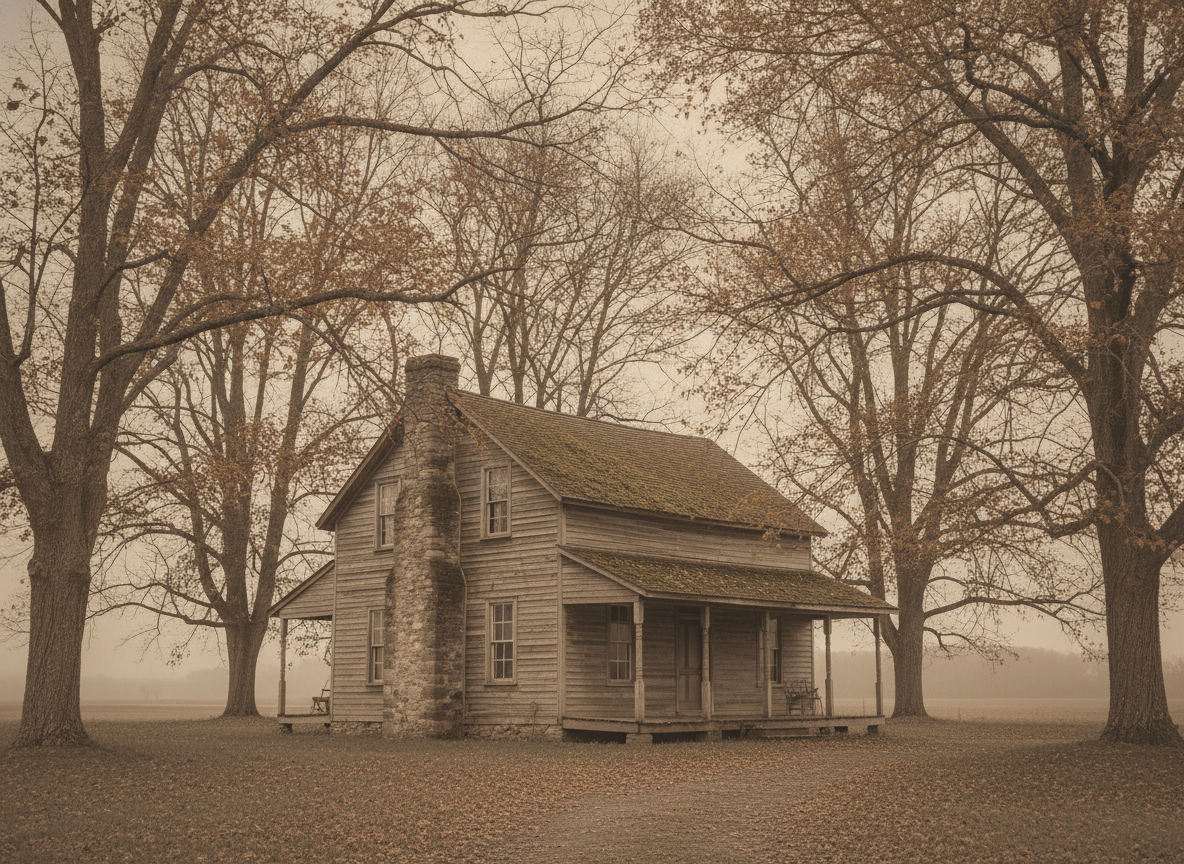
Working largely out of a house in West Saugerties, New York, near Woodstock, they turned away from psychedelic fashion toward something older and plainer. To understand American roots rock, you start here.
The woods around Woodstock, the rustic ground The Band's music grows from.From a Roadhouse Bar Band to American Legend
The Story
The Band's story runs from smoky bar gigs through the eye of the Dylan storm to a pair of albums that quietly rewired American music, and then to one of rock's most celebrated farewell concerts.
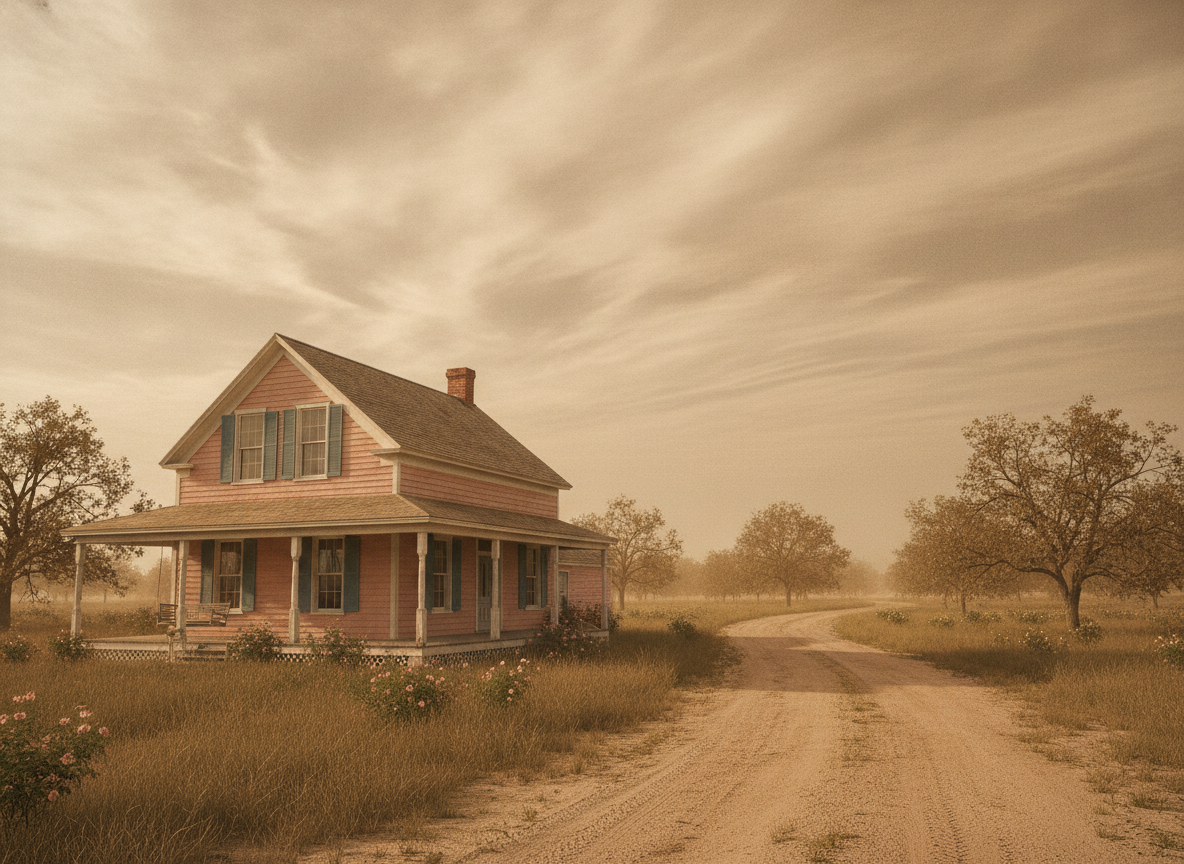
Big Pink, the rented house near Woodstock where the group found its sound.
1958–1963
The Hawks
The five players came together backing rockabilly singer Ronnie Hawkins as the Hawks, honing a tight, hard-touring roadhouse act across Canada and the American South before striking out on their own.
1965–1966
Backing Dylan electric
Bob Dylan recruited the group to back his newly electric shows. Folk purists booed the loud sets nightly, but the tour forged an enduring partnership and a fearsome live sound.
1967
The Basement Tapes
Retreating to a pink house near Woodstock, the group and Dylan recorded a wealth of loose, joyful songs in the basement, a hidden root system for a huge swath of American roots music.
1968
Music from Big Pink
Their debut arrived against the psychedelic tide with rustic, soulful songs led by "The Weight." It stunned peers and pointed rock back toward country, gospel, and the American past.
1969
The Band
The self-titled second album, often called the "brown album," deepened the vision with "Up on Cripple Creek" and "The Night They Drove Old Dixie Down," a cornerstone of Americana.
1970–1975
Stage Fright and the road
Fame brought strain. Stage Fright and Cahoots showed a more troubled group, though the live Rock of Ages and Northern Lights-Southern Cross proved the musicianship never flagged.
1976–1978
The Last Waltz
The original lineup gave a lavish farewell concert on Thanksgiving 1976, filmed by Martin Scorsese with a host of guests. The resulting film and album became a landmark of the rock era.
Four Songs, One Education
Start Here
The Band's catalog rewards patience, but these four songs are the fastest way to grasp the range, from communal roots anthem to Civil War ballad to horn-lifted late gem. Watch in order.
01 · The Landmark
"The Weight" (1968)
The signature song from Music from Big Pink: a rolling, gospel-tinged tale passed between voices, one of the most beloved recordings in American rock. The essential starting point.
02 · The Ballad
"The Night They Drove Old Dixie Down" (1969)
Levon Helm's aching lead vocal carries this Civil War story-song, a vivid piece of American folklore that shows the group's gift for making the past feel present.
03 · The Groove
"Up on Cripple Creek" (1969)
A funky, good-humored highlight of the brown album, seen here on The Ed Sullivan Show, with Garth Hudson's clavinet burbling under Helm's easy Southern drawl.
04 · The Late Gem
"Ophelia" (1975)
From Northern Lights-Southern Cross: a bright, horn-lifted number that proves the group's late records still brimmed with warmth, invention, and joy.
The Landmark Records
The Albums 5 to start with
The Band released a compact catalog of studio and live records. These five are the pillars, the ones that shaped Americana and still define the group. The blue-topped card is the best place to begin.
1968
Music from Big Pink
The debut that turned rock back toward its roots. Named for the house where much of it took shape, it opens the world of the group with "The Weight" and "I Shall Be Released."
The self-titled "brown album," widely held to be their masterpiece. "Up on Cripple Creek," "The Night They Drove Old Dixie Down," and "King Harvest" form the bedrock of Americana.
A tauter, more anxious third album made under the pressure of sudden fame. The title track and "The Shape I'm In" are among the group's most enduring performances.
The essential live document, recorded in New York with a horn section arranged by Allen Toussaint. It captures the group at the peak of its formidable stage power.
The soundtrack to Martin Scorsese's film of the original lineup's 1976 farewell concert, with Dylan, Van Morrison, Muddy Waters, and more. A grand summation of the era.
Two YouTube Music sets: a First Listen of the signature songs to bring you in, and a Deep Cuts set of the headphone-reward pieces for when you want to sink in. (Ideally, though, hear these albums whole.) Hit the button on either card to play it.
The genius of The Band was collective. Five multi-instrumentalists who traded parts and shared three lead voices, so that no single frontman defined the sound and every record felt like a conversation.
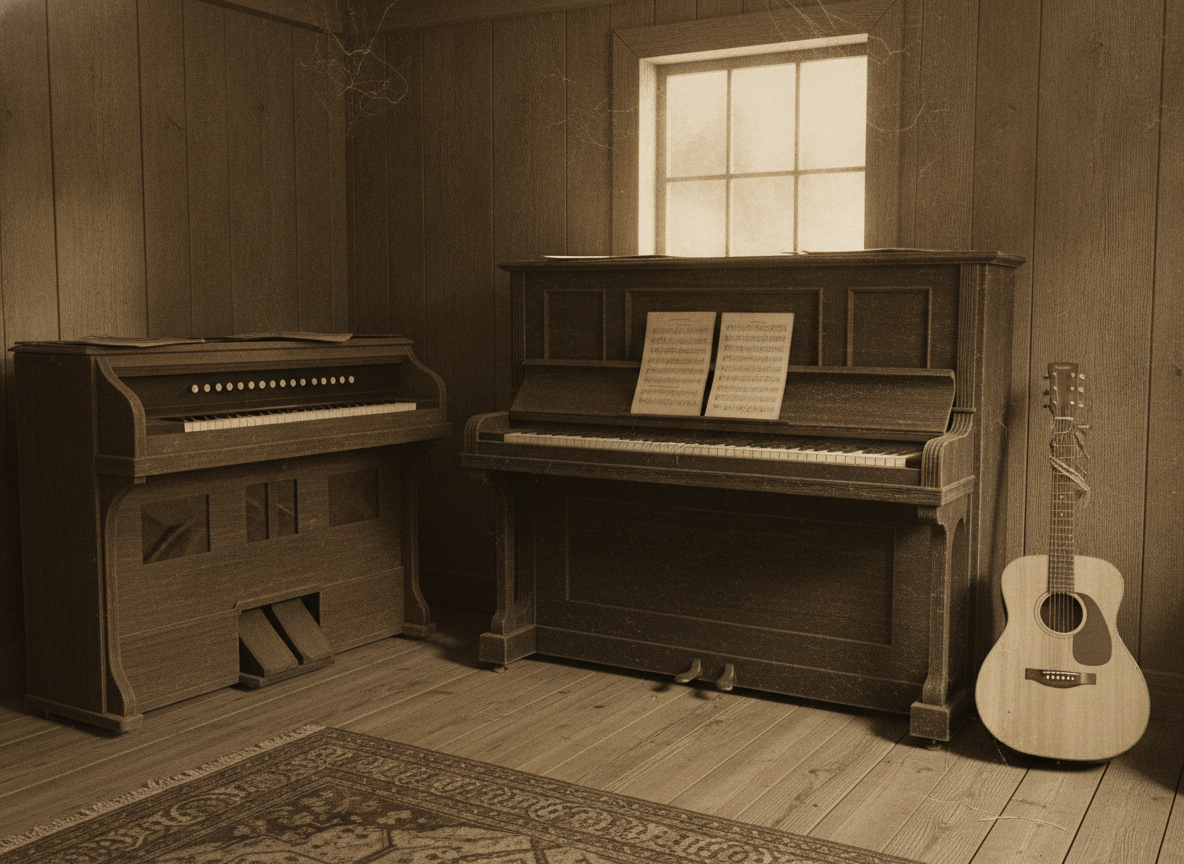
Instruments passed hand to hand, the communal music-making at the group's core.
Robbie RobertsonGuitarThe group's principal songwriter and lead guitarist, author of "The Weight," "The Night They Drove Old Dixie Down," and much of the catalog
Levon HelmDrums, vocalsThe only American in the group, whose warm Arkansas drawl and deep-pocket drumming anchored the sound and sang many of its most beloved leads
Rick DankoBass, vocalsThe fluid, melodic bassist and a distinctive high tenor, lead voice on "It Makes No Difference" and countless harmonies
Richard ManuelPiano, vocalsA haunting soul and falsetto singer and gifted pianist whose aching leads defined ballads like "Whispering Pines" and "Tears of Rage"
Garth HudsonOrganThe classically trained keyboard wizard whose swirling organ and horn textures gave the group its unmistakable, church-like color
The Roots of the Sound
Influences
The Band built their music from the deep well of American vernacular styles: hillbilly country, Southern gospel, Delta and Chicago blues, and the soul and R&B they had played in roadhouses for years. Here is where it started.
Songwriting
Bob Dylan
Their close collaborator and catalyst. Backing Dylan electric and cutting the Basement Tapes with him shaped their sense of song, story, and American myth.
The gospel-rooted soul of Mayfield and the Impressions colored the group's harmonies and grooves, a legacy of their years backing R&B acts on the bar circuit.
Charles's fusion of gospel, blues, country, and jazz was a blueprint for the group's genre-blurring approach and for Richard Manuel's soul-drenched singing.
The towering voice of gospel, whose sacred fervor echoes in the group's church-like organ, communal harmonies, and songs of redemption like "I Shall Be Released."
The players were vivid storytellers, and abundant footage survives, from the Last Waltz era to Levon Helm's later years as an elder statesman of Americana. These conversations are worth seeking out.
Interview · PBS
Levon Helm, In Conversation
The drummer and singer reflects on the music and the long road, in a warm PBS portrait from his later years hosting the Midnight Ramble concerts at his Woodstock barn.
Interview · Archive
The Filmed Portraits
Martin Scorsese's The Last Waltz weaves extended interview footage through the farewell concert, and decades of archival conversations with all five members survive online. Search YouTube for clips and interviews.
Once the landmark albums have you, The Band's world opens into basement recordings, live sets, and the long afterlives of its members.
The Basement Tapes. the loose, joyful 1967 home recordings with Bob Dylan, a hidden root system for a huge swath of American roots music, finally issued in full as The Basement Tapes Complete.
Northern Lights-Southern Cross. the strong 1975 studio return, home to "Acadian Driftwood," "It Makes No Difference," and "Ophelia," often overlooked by newcomers.
The Last Waltz film. Scorsese's 1978 concert film is one of the greatest ever made, the best single window into the group and its guests at the close of an era.
The solo paths. Levon Helm's late albums Dirt Farmer and Electric Dirt, and Robbie Robertson's self-titled 1987 debut, carry the story forward.
The Way to Listen
Do yourself one favor: put on Music from Big Pink from start to finish, then The Band. Let the three voices and the shared instruments wash over you. This is music built for the whole album, and for the whole room.