Hip-Hop • Abstract & Underground • The Supervillain
How a masked rapper who called himself a supervillain became the most beloved cult figure in hip-hop, writing the densest, funniest, most quotable rhymes the underground ever produced.
The Short Version
Who Is This?
MF DOOM was a British-born, New York-raised rapper and producer, active from the late 1990s until his death in 2020, who performed behind a metal mask and cast himself as a comic-book supervillain. He is the most revered cult figure in underground hip-hop, often called your favorite rapper's favorite rapper.
Two things make him singular. First, the writing: his rhymes are impossibly dense, packed with internal rhyme, slant rhyme, non-sequiturs, and cartoon references, rewarding a lifetime of rewinds. Second, the character: the mask and the villain persona let him build a whole strange universe with its own aliases, in-jokes, and lore.
He is hip-hop at its most literary and off-kilter, built from dusty soul, cartoon dialogue, and library music. If you love language, humor, and mystery in your rap, start here.
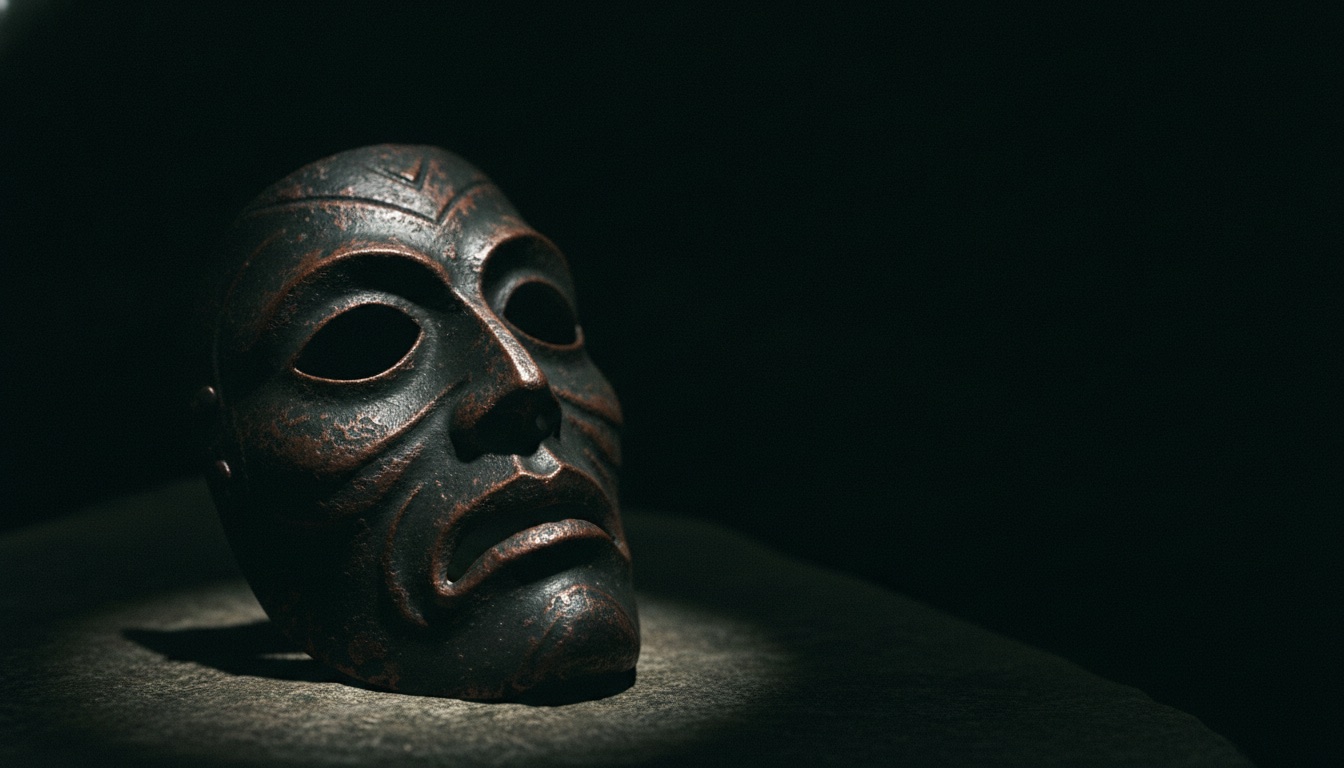
The mask: the face of the supervillain.From Zev Love X to the Metal Face
The Story
DOOM's story is one of tragedy and reinvention: a promising young rapper who lost everything, disappeared, and returned transformed into a masked villain who would change underground hip-hop forever.
1988
KMD and Zev Love X
As a teenager, Daniel Dumile led the group KMD with his younger brother DJ Subroc, rapping as Zev Love X in the positive, playful Native Tongues orbit.
1993
Tragedy and disappearance
Subroc died in a car accident and KMD was dropped by their label. Devastated, Dumile withdrew from music entirely for several years.
1999
Operation: Doomsday
He re-emerged in a metal mask as MF DOOM, a supervillain out for revenge on the industry, and released the beloved debut that launched his legend.
2003 – 2004
A flood of aliases
An astonishing creative run under many names: Viktor Vaughn, King Geedorah, and, with producer Madlib, the classic Madvillainy, plus his solo MM..Food.
2005 onward
Collaborations and myth-making
Team-ups as DangerDoom (with Danger Mouse) and JJ DOOM followed, along with a growing mystique fed by his refusal to unmask, and occasional masked stand-ins at shows.
2020
A quiet farewell
Dumile died on October 31, 2020, though the news was not shared until December 31. The outpouring revealed just how deeply he had shaped a generation of artists.
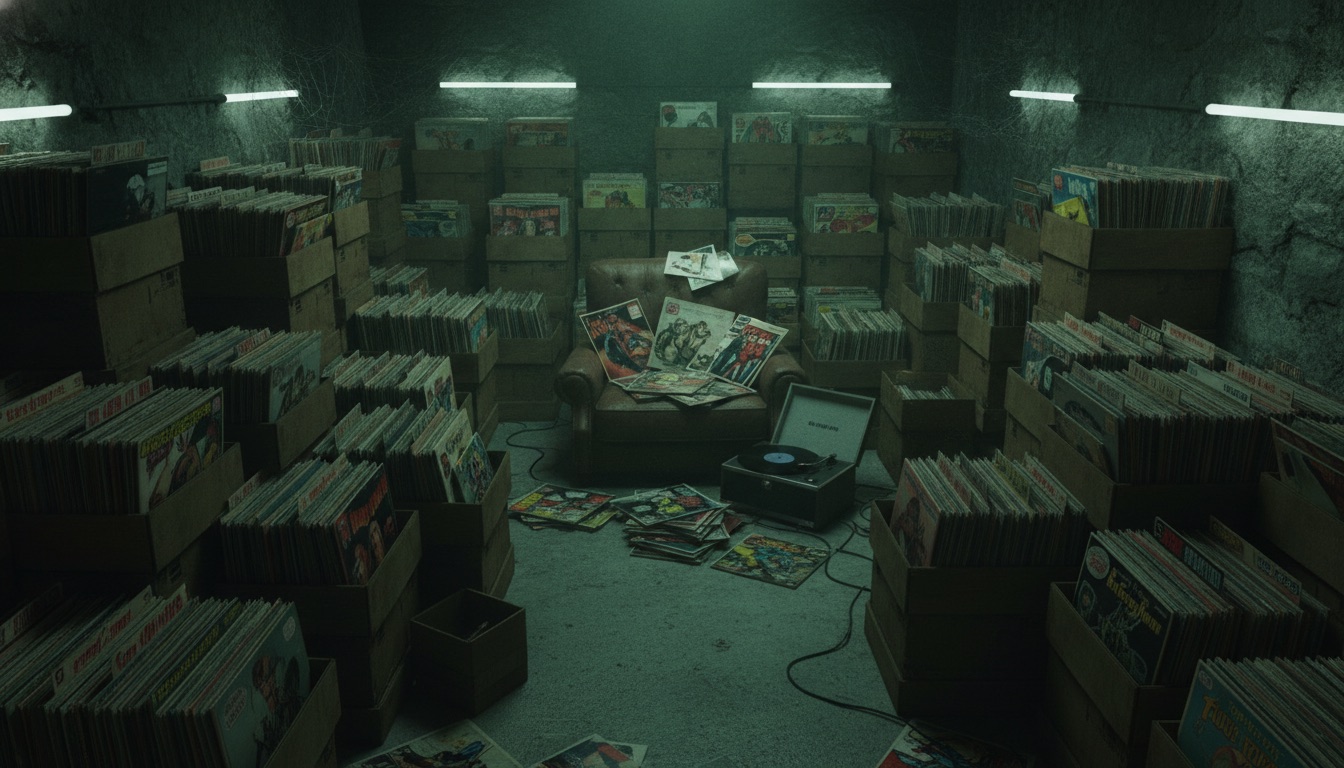
Comics, dusty records, and a whole private universe.Three Songs, One Education
Start Here
Three songs that hold his whole world: the origin story, the perfect miniature, and the fan-favorite. Listen in order.
01 · The One to Play First
"Doomsday" — 1999
The origin story in a song, from Operation: Doomsday. Over a soulful loop, DOOM lays out his rebirth as the villain, mourning his brother and vowing revenge. The heart of the whole myth.
02 · The Perfect Miniature
"Accordion" — 2004
From Madvillainy, his classic album with Madlib. A woozy accordion loop and a single, breathless, rhyme-packed verse that is many fans' favorite ninety seconds in all of rap.
03 · The Fan Favorite
"Rapp Snitch Knishes" — 2004
From MM..Food, a wry, rock-guitar-driven take-down of rappers who incriminate themselves in their lyrics. Funny, quotable, and pure DOOM.
The Studio Catalog
The Albums 5 to start with
A catalog scattered across aliases and collaborators. The cards below are the essential entry points available to stream here. Note that his two most famous records, Madvillainy (with Madlib) and MM..Food, are not currently on Apple Music, so seek them out on other services; both are essential.
1999
Operation: Doomsday
The masked debut, warm and lo-fi, built from soul samples and cartoon dialogue. The foundational MF DOOM album and the place to begin.
As the three-headed monster King Geedorah, a loose, sample-heavy, largely instrumental-leaning project that shows off his production. Strange and rewarding.
One curated YouTube Music playlist gathering the essentials across his aliases, including Madvillainy and MM..Food. (Ideally, though, spend time with Operation: Doomsday whole.) Hit the button below to play it.
MF DOOM was a solo artist and producer whose great instrument was language. His rhymes abandon the usual rules of rap structure, spilling internal rhymes across bar lines, piling up puns, references, and asides until a verse becomes a dense little puzzle. He rewards close listening like few rappers ever have.
The mask is central to understanding him. By hiding his face and adopting the villain persona, he pushed all attention onto the words and the character, and built a self-contained mythology with recurring aliases, each with its own voice and backstory. It was conceptual art as much as rap.
As a producer, under the name Metal Fingers, he made beats from unlikely sources: obscure soul, television themes, library music, and cartoon dialogue, chopped into warm, off-kilter loops. That homemade, lo-fi texture is as much his signature as the rapping.
What makes him worth following is how much he gave other artists permission to be strange. His fingerprints are all over modern hip-hop, from Tyler, the Creator to Earl Sweatshirt, and his catalog only deepens the more time you spend inside its private, endlessly quotable world.
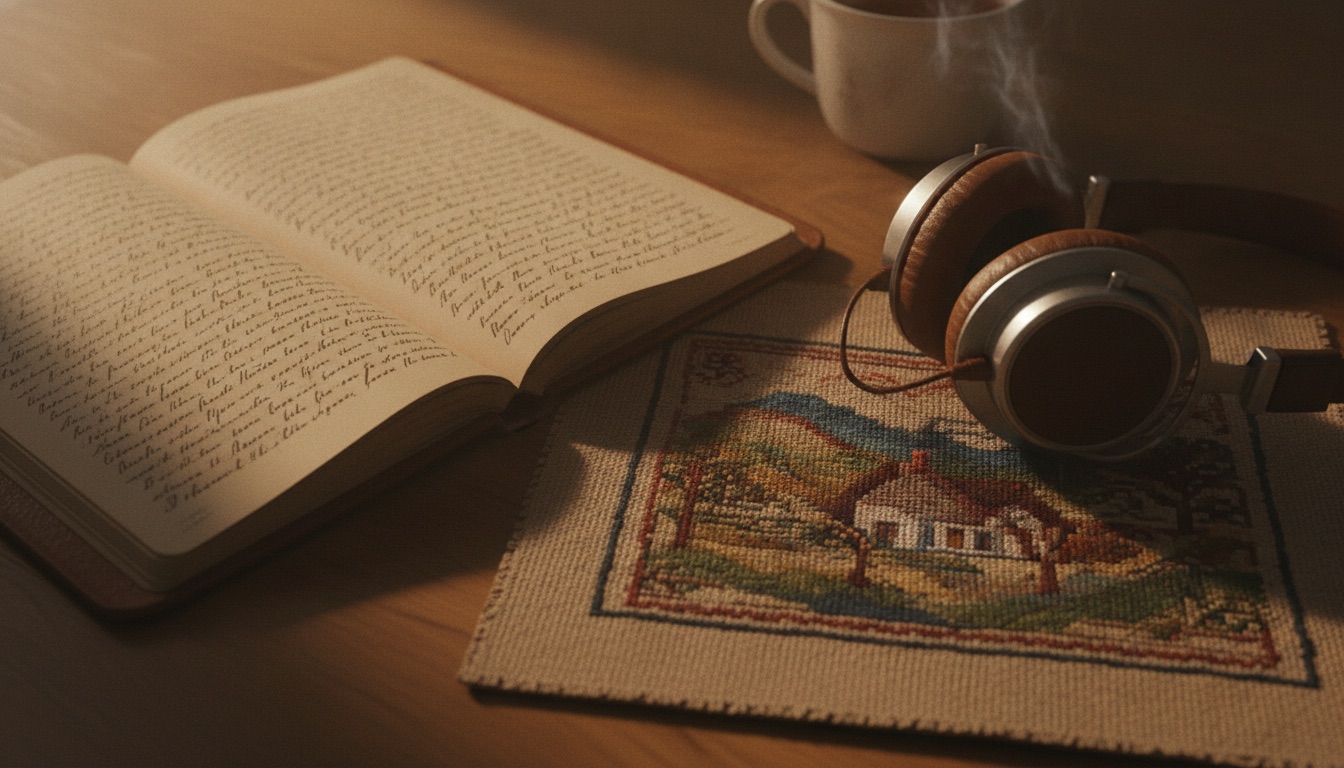
Language as the true instrument.The Roots of the Sound
Influences
DOOM grew out of the golden-age New York rap he came up in, and his own early group. Here are four touchstones.
The Lyricist
Eric B. & Rakim
Rakim revolutionized rap with internal rhyme and a calm, complex flow. He is the deep source for DOOM's dense, unhurried, technically dazzling writing.
Kool Keith and the Ultramagnetic MCs brought abstract, science-fiction wordplay to hip-hop, a clear ancestor to DOOM's off-kilter, character-driven imagination.
A longer radio interview with the BBC's Benji B, in which DOOM talks openly about his craft, his influences, and his approach to building the DOOM universe.
Once the mask has you, the DOOM universe runs deep.
Madvillainy — his 2004 album with Madlib is widely considered his masterpiece and a landmark of underground hip-hop. Not on Apple Music; find it elsewhere and treat it as essential.
MM..Food — his food-themed 2004 solo album, funny and dense, with "Rapp Snitch Knishes" and "One Beer." Also worth seeking out beyond Apple Music.
The Special Herbs series — his instrumental beat tapes as Metal Fingers, a deep dive into his production craft.
His descendants — hear his influence in Earl Sweatshirt, Tyler, the Creator, and countless others he quietly set free to get weird.
The Way to Listen
Start with Operation: Doomsday to meet the villain, then find Madvillainy however you can. Those two records are the doorway into everything else.