How a provocative teenager from Los Angeles who built a rap collective in his bedroom grew into one of his generation's most ambitious writers, producers, and arrangers, winning Grammys on his own terms.
The Short Version
Who Is He?
Tyler, the Creator (born Tyler Gregory Okonma in Los Angeles in 1991) is a rapper, singer, producer, and arranger who has spent his career refusing to stay in one lane. He first arrived as the ringleader of the rowdy Odd Future collective, all shock and skateboards, then slowly revealed himself to be one of the most meticulous craftsmen in modern music.
Two things make him singular. First, the control: he writes, produces, and arranges nearly all of his own music, and directs his own videos, building each album as a self-contained world with its own character and color palette. Second, the growth: he traveled from crude provocation to the lush, tender songwriting of Flower Boy and the Grammy-winning IGOR, maturing in public without ever losing his sense of play.
He is now a headliner, a fashion designer, and the founder of his own festival. To understand where rap, neo-soul, and pop have blurred over the last fifteen years, you start here.
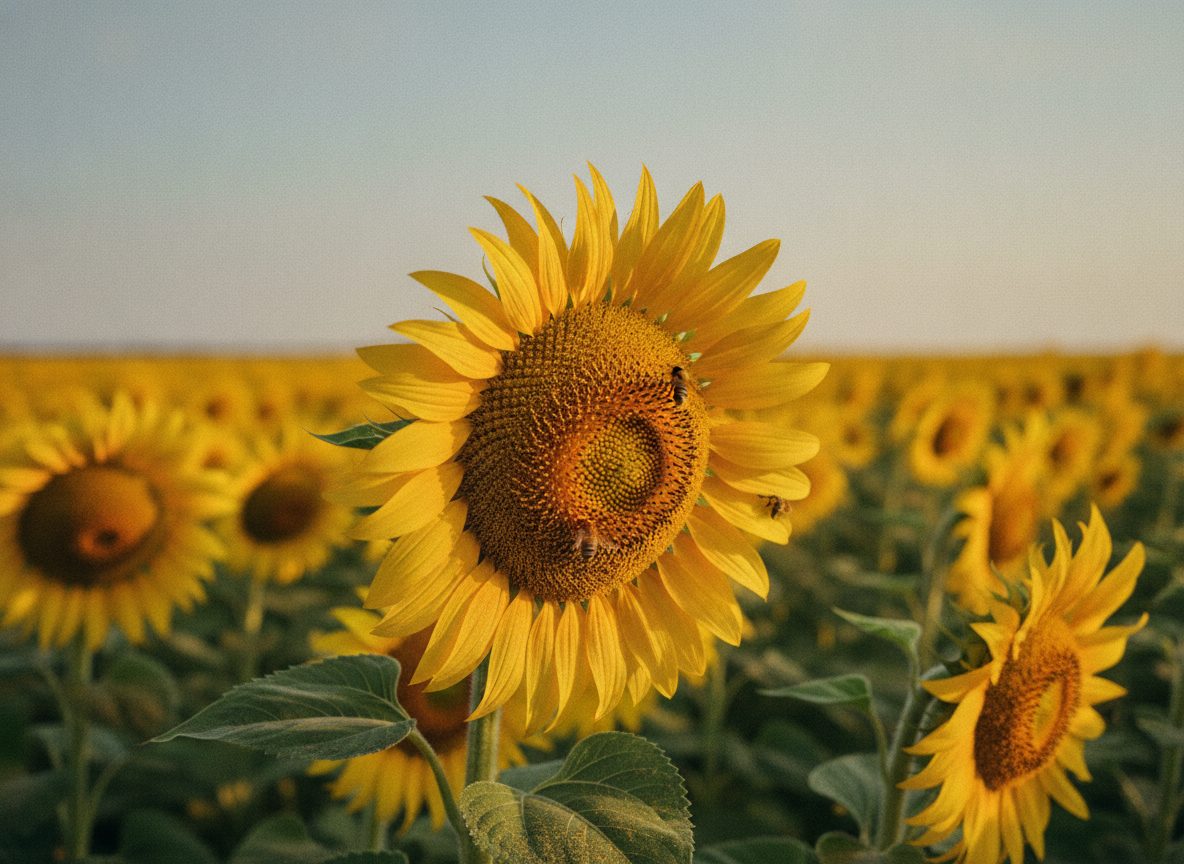
The soft, sunlit palette of the Flower Boy era, where the noise gave way to melody.From an Odd Future Basement to the Grammy Stage
The Story
Tyler's career is a slow, deliberate transformation, from a teenage provocateur daring you to be offended into a self-taught auteur whose records are built like small films.
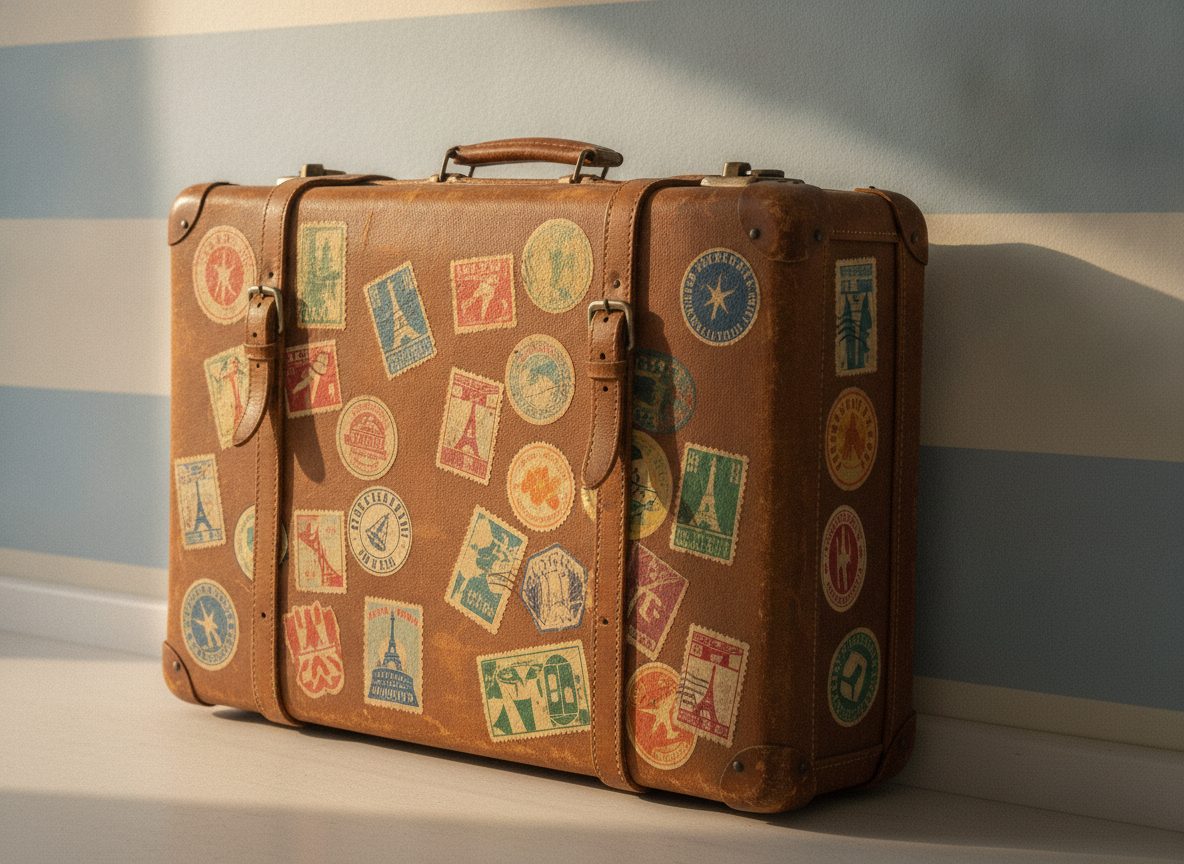
By the Call Me If You Get Lost era the music had become a passport, stamped with jazz, funk, and a globe-trotting swagger.
2007–2010
Odd Future
As a teenager Tyler co-founded Odd Future Wolf Gang Kill Them All, a Los Angeles collective of rappers, producers, and skaters that included Earl Sweatshirt, Frank Ocean, and Syd. Their raw self-released tapes and chaotic energy made them internet legends.
2011
Goblin and the breakout
His major-label debut Goblin and the viral video for "Yonkers" turned Tyler into a lightning rod, celebrated for his production and vision and condemned for his deliberately shocking lyrics. He was suddenly one of rap's most talked-about young figures.
2013–2015
Wolf and Cherry Bomb
On Wolf and the abrasive, adventurous Cherry Bomb, his jazz and neo-soul instincts pushed to the front. The chords grew richer and the arrangements more daring, hinting at the melodic writer he was becoming.
2017
Flower Boy
The turning point. Flower Boy was warm, introspective, and gorgeously produced, a record about loneliness and self-acceptance that earned his first real critical embrace and a Grammy nomination for Best Rap Album.
2019
IGOR and the Grammy
IGOR, a genre-blurring song cycle about a love triangle, sung as much as rapped, debuted at number one and won the Grammy for Best Rap Album. It confirmed Tyler as a fully realized auteur working far outside the usual rap template.
2021
Call Me If You Get Lost
A return to dense, exuberant rapping, framed as a mixtape hosted by DJ Drama. It won a second Best Rap Album Grammy and proved he could still deliver a pure rap tour de force whenever he chose.
2024
Chromakopia
Chromakopia arrived as his most personal record yet, a mid-career reckoning with fame, family, and identity, debuting at number one and confirming that his restless evolution shows no sign of slowing.
Four Songs, One Education
Start Here
Tyler's catalog spans crude early rap and lush late-career soul. These four songs are the fastest way to hear the whole arc, from the shock era to the Grammy-winning craftsman. Watch in order.
01 · The Breakthrough
"EARFQUAKE" (2019)
The centerpiece of IGOR: a bruised, melodic plea built on warm synth chords and a sing-song hook. The best single door into the sung, arranged side of Tyler that won him a Grammy.
02 · The Love Song
"See You Again" (2017)
From Flower Boy, a dreamy duet with Kali Uchis that became his signature crossover hit. Proof that the provocateur could write something tender, hummable, and genuinely romantic.
03 · The Confessional
"911 / Mr. Lonely" (2017)
A two-part Flower Boy highlight, funky and aching at once, where Tyler turns a bright groove into a candid meditation on isolation. His songwriting and arranging at full stretch.
04 · The Rapper
"Who Dat Boy" (2017)
A snarling, horror-scored banger with A$AP Rocky that reminds you Tyler never stopped being a fierce, inventive MC. The hard counterweight to his softer side.
The Landmark Records
The Albums 5 to start with
Tyler has released seven studio albums, each a self-contained world he wrote, produced, and arranged. These five trace the arc from provocation to mastery. The blue-topped card is the best place to begin.
2011
Goblin
The major-label debut that made him famous and infamous at once. Murky, self-produced, and deliberately confrontational, it launched "Yonkers" and announced a singular young producer with something to prove.
The turning point, and a perfect place to start. Warm, melodic, and introspective, it trades shock for real feeling, from "See You Again" to "911 / Mr. Lonely," his first fully mature statement.
The masterpiece. A sung, synth-drenched song cycle about a doomed love triangle that debuted at number one and won the Grammy for Best Rap Album. Genre-defying and start-to-finish essential.
A joyous return to pure rapping, framed as a DJ Drama mixtape and stuffed with jazz, funk, and globe-trotting swagger. It won his second Best Rap Album Grammy and reset his ceiling again.
His most personal record, a number-one mid-career reckoning with fame, family, and identity. Dense, restless, and self-produced, it proves his evolution is nowhere near finished.
Two YouTube Music playlists: a First Listen of the signature songs to bring you in, and a Deep Cuts set of the longer, headphone-reward pieces for when you want to sink in. (Ideally, though, hear these albums whole.) Hit the button on either card to play it.
Tyler produces and arranges nearly everything himself, but his world is built with a tight circle of Odd Future peers, kindred singers, and trusted engineers who recur across the catalog.
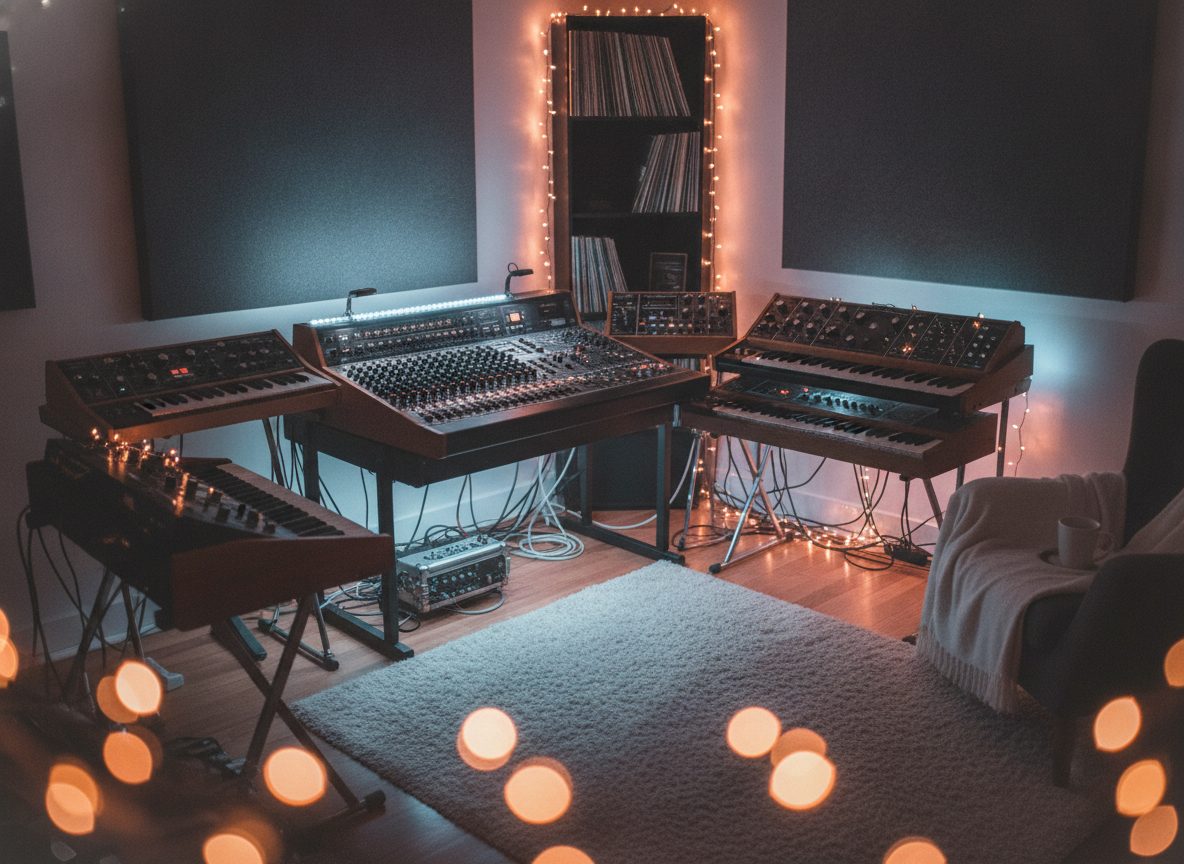
Self-produced and self-arranged, his records are built one part at a time in his own rooms.
Odd FutureHome collectiveThe Los Angeles crew he co-founded, including Earl Sweatshirt, Syd, Domo Genesis, and Hodgy, that launched his career and shaped his early aesthetic
Tyler, the CreatorWriter / producer / arrangerHe self-produces and arranges nearly all of his music and directs his own videos, credited on production as himself and under the alias Wolf Haley
Frank OceanRecurring vocalistThe Odd Future singer whose guest turns light up songs like "She" and later collaborations, one of Tyler's closest musical partners
Kali UchisFeatured vocalistThe singer whose voice defines "See You Again," the biggest crossover moment on Flower Boy
Brent FaiyazFeatured vocalistThe R&B singer featured on Call Me If You Get Lost, part of the deep bench of guest voices Tyler frames with his arrangements
Neal PogueMixing engineerThe veteran engineer who mixed Flower Boy and IGOR, helping translate Tyler's dense arrangements into their lush final sound
The Roots of the Sound
Influences
Tyler built his art from a very specific lineage: Pharrell's genre-bending production, Kanye West's album-as-statement ambition, and the rich chords of seventies soul and funk. Here is where it started.
Production
N.E.R.D
Tyler's north star. Pharrell Williams and Chad Hugo's band, and its debut In Search Of..., taught him that a producer could be a front man and that rap, rock, and funk could all live in one song.
The model for the self-produced auteur. Kanye's ambition, his treatment of each album as a distinct artistic world, and his willingness to sing and to fail publicly all left deep marks on Tyler's approach.
The vibraphonist and godfather of jazz-funk whose warm, sunlit chords and grooves echo through the lush later records. "Everybody Loves the Sunshine" is a clear ancestor of the Flower Boy palette.
The gold standard for chord-rich, one-man soul records. Stevie's harmonic language and his command of an entire album as sole author are woven through Tyler's most ambitious arrangements.
Tyler is a quick, funny, and disarmingly thoughtful interview, happy to talk craft, chords, and his own evolution. His conversations are a window into how deliberately he builds each record.
Interview · Nardwuar
Nardwuar vs. Tyler, the Creator
The beloved 2019 encounter where Nardwuar's deep-dig research pulls out the samples, heroes, and history behind Tyler's music. As good a portrait of his influences as any documentary.
Interview · Archive
Tyler, In Conversation
From late-night sit-downs to long-form radio and festival interviews, Tyler talks openly about arranging, chord choices, and the deliberate world-building behind each album. Search YouTube for the full conversations.
Once the landmark albums have you, Tyler's world opens into early tapes, alter egos, and the wider Odd Future universe.
The early tapes. Bastard (2009) and the raw Odd Future mixtapes show the crude, brilliant starting point, essential context for how far the later records travel.
Cherry Bomb. the noisy, divisive 2015 album is the hinge between the shock era and the melodic one, packed with the jazz chords and arrangement ideas that would soon flower.
The wider circle. dig into Frank Ocean, Earl Sweatshirt, and Syd (The Internet) to hear the full range of the Odd Future family tree that Tyler helped launch.
The visuals. Tyler directs his own videos and designs his own worlds, from IGOR's blond wig to Call Me's globe-trotting mixtape, and Camp Flog Gnaw, the festival he founded and curates.
The Way to Listen
Do yourself one favor: play IGOR from start to finish with no skips, then Flower Boy. Tyler builds albums as single, sequenced stories, and heard whole they land in a way the singles never quite do.