How three friends from New York City turned a hardcore punk band into one of the most inventive and beloved acts in hip-hop, sampling everything in sight, picking up their own instruments, and growing up in public without ever losing the joy.
The Short Version
Who Are They?
The Beastie Boys were a three-member group from New York City: Mike D (Michael Diamond), MCA (Adam Yauch), and Ad-Rock (Adam Horovitz). They started in the early 1980s as a teenage hardcore punk band, then reinvented themselves as rappers and became one of the first white acts to earn lasting credibility in hip-hop.
Two things make them singular. First, the range: over seven studio albums they moved from bratty party rap to dense sample collage to a band that played its own funk and punk, and made it all sound like one voice. Second, the chemistry: three MCs trading lines, finishing each other's thoughts, and clearly having the time of their lives.
Their run ended in 2012 when Adam Yauch died of cancer; the surviving members retired the name rather than continue without him. What they left behind is a catalog that still sounds like nothing else in popular music.
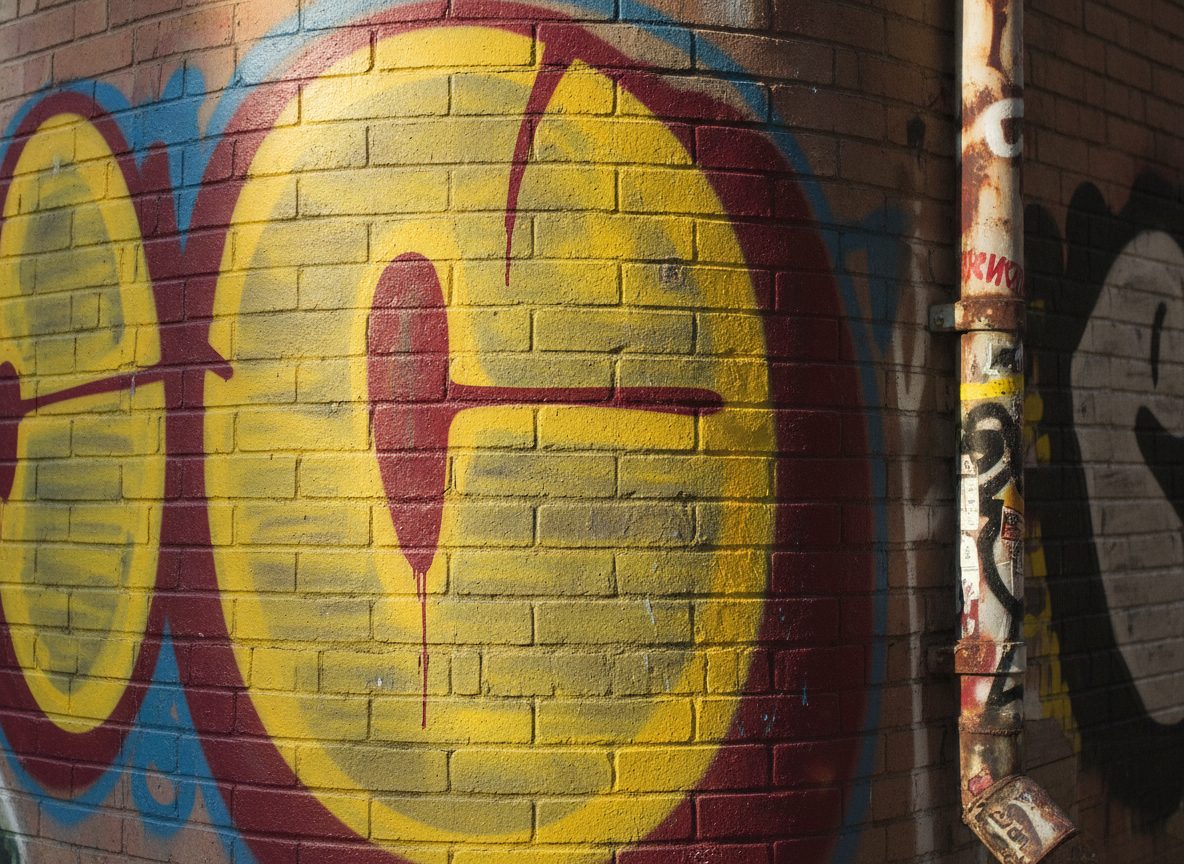
Downtown New York City, the graffiti and noise the group grew out of.From Hardcore Punk to Hip-Hop Royalty
The Story
The Beastie Boys' career is a series of reinventions, each one confounding the audience they had just won and each one widening what the group could do.
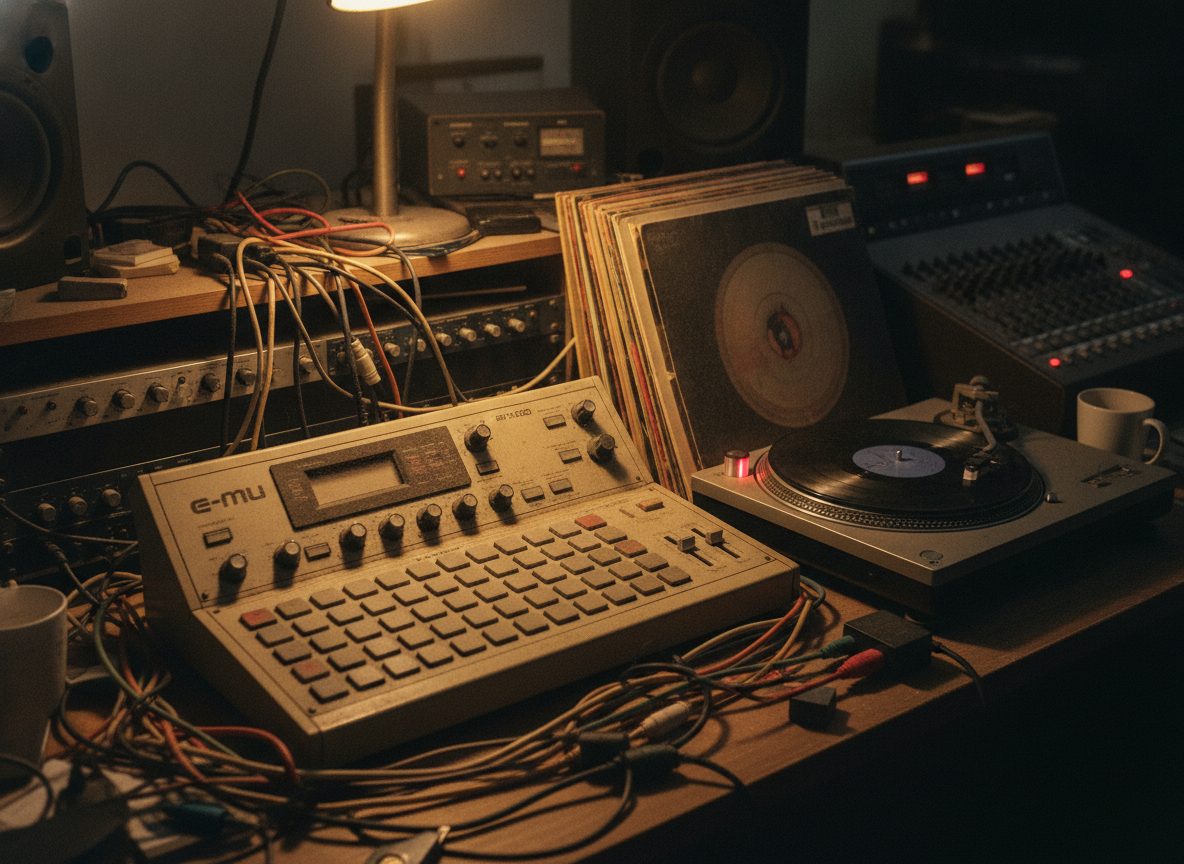
Samplers, turntables, and crates of records, the raw material of the early sound.
1981
A punk band forms
The group began as a hardcore punk band on the downtown New York scene, releasing the raw Polly Wog Stew EP. Soon they started folding rap and joke records into their sets, and a new direction took hold.
1986
Licensed to Ill
Produced by Rick Rubin for the young Def Jam label, their debut fused rap with arena-rock guitars and became the first rap album to top the US charts, powered by "(You Gotta) Fight for Your Right (To Party!)."
1989
Paul's Boutique
After leaving Def Jam, they teamed with the Dust Brothers in Los Angeles for a dense, sample-stacked masterpiece. It sold modestly at first but is now regarded as one of the greatest hip-hop records ever made.
1992–1994
Picking up instruments
On Check Your Head and Ill Communication the group played live instruments again, blending rap, punk, and funk in their own Los Angeles studio. "Sabotage" and "Sabrosa" showed a band that could do almost anything.
1998
Hello Nasty
A sleek, playful return to sample-and-turntable hip-hop, adding DJ Mix Master Mike to the lineup. "Intergalactic" won a Grammy and put them back on top of the charts.
2004–2011
Elder statesmen
To the 5 Boroughs was a love letter to a post-9/11 New York, the instrumental The Mix-Up won a Grammy, and Hot Sauce Committee, Pt. Two proved the chemistry was still intact.
2012
The end and the legacy
Adam Yauch died of cancer in May 2012. The group retired the name, and that year they were inducted into the Rock and Roll Hall of Fame, cementing a place among the most influential acts of their era.
Four Songs, One Education
Start Here
The catalog spans punk, party rap, sample collage, and live funk. These four songs are the fastest way to grasp the range and the humor. Watch in order.
01 · The Landmark
"Sabotage" (1994)
A snarling, fuzz-bass punk explosion with a legendary Spike Jonze video parodying seventies cop shows. The single best introduction to the band's rap-plus-punk power. Start here.
02 · The Breakthrough
"(You Gotta) Fight for Your Right (To Party!)" (1986)
The bratty, guitar-driven hit that made them famous, half rap song and half rock anthem. The group later half-disowned it, but it remains the sound of their arrival.
03 · The Groove
"So What'cha Want" (1992)
From Check Your Head: a murky, fuzzed-out organ groove with three MCs shouting over the top. The sound of the group reborn as a live band playing its own hip-hop.
04 · The Comeback
"Intergalactic" (1998)
A robotic, vocoder-laced party anthem with a giant-monster video shot in Tokyo. It won a Grammy and shows the group's later, sleeker turntable sound at its most fun.
The Landmark Records
The Albums 5 to start with
The Beastie Boys released seven studio albums. These five are the pillars, the ones that reshaped the group and hip-hop around them. The blue-topped cards are the best places to begin.
1986
Licensed to Ill
The rowdy Rick Rubin debut that made them stars, fusing rap with metal and rock samples. Loud, funny, and instantly iconic, it was the first rap album to top the US charts.
The sample masterpiece, built with the Dust Brothers from hundreds of records layered into a dizzying collage. A commercial disappointment on release, now hailed as one of hip-hop's greatest albums.
The pivot back to live instruments, mixing rap, hardcore punk, and loose funk jams. A warm, gritty, genre-blurring record that redefined what the group could be.
The commercial and creative peak of the band era, home to "Sabotage" and "Sure Shot." It topped the charts and balanced hard funk, punk, and mellow instrumental grooves.
A sleek, playful return to turntables and samples with new DJ Mix Master Mike. "Intergalactic" led a Grammy-winning set that put the group back on top of the charts.
Two YouTube Music playlists: a First Listen of the signature songs to bring you in, and a Deep Cuts set of the grooves and headphone rewards for when you want to sink in. (Ideally, though, hear these albums whole.) Hit the button on either card to play it.
The Beastie Boys were three lifelong friends who shared the mic as equals, backed on their greatest records by a small circle of producers and players who helped shape each era.
Three voices, one city, and the producers who framed the sound.
Mike DMC / drumsMichael Diamond, a founding member who anchored the group from its punk beginnings through every reinvention
MCAMC / bassAdam Yauch, the deep-voiced anchor, film director, and activist whose death in 2012 ended the group
Ad-RockMC / guitarAdam Horovitz, the nimble, high-voiced MC and guitarist who joined as the group turned toward rap
Rick RubinProducerCo-founder of Def Jam who produced Licensed to Ill and welded rap to hard-rock guitars
The Dust BrothersProducersJohn King and Michael Simpson, whose dense sample collages built the sound of Paul's Boutique
Mario Caldato Jr.Producer / engineerThe studio hand who recorded and co-produced the live-band era of Check Your Head and Ill Communication
Money MarkKeyboardsMark Ramos-Nishita, the fourth voice on keys whose organ and clavinet colored the funk-driven records
The Roots of the Sound
Influences
The Beastie Boys grew out of two worlds: the ferocious speed of early-eighties hardcore punk and the deep funk and rock breakbeats that fed hip-hop. Here is where it started.
Hardcore Punk
Bad Brains
The blazing Washington, DC hardcore band the young Beasties idolized. Their speed and intensity shaped the group's punk roots and the fury of songs like "Sabotage."
The thunderous rock drums and riffs the group both sampled and channeled, from the "When the Levee Breaks" beat to the hard-rock swagger of their earliest hits.
The godfather of the breakbeat. Brown's tight, hard-hitting funk was foundational to hip-hop, and his grooves are woven all through the group's samples and live jams.
Together and apart, the Beastie Boys were funny, thoughtful, and self-aware in conversation, tracing a path from teenage pranksters to reflective elder statesmen. Their interviews are worth seeking out.
Interview · Archive
The Group, In Conversation
From goofy early-career appearances to the candid, reflective interviews of their later years, the three members talk about the music, the city, and growing up in public.
Interview · Documentary
The Filmed Portraits
Spike Jonze's Beastie Boys Story and decades of televised appearances capture Mike D and Ad-Rock looking back on the band and on their late friend Adam Yauch. Search YouTube for clips and conversations.
Once the landmark albums have you, the Beastie Boys' world opens into side projects, films, and one of the great music memoirs.
The instrumental records. The In Sound From Way Out! and The Mix-Up collect the group's funk-jam side, all groove and no rapping, and reward repeat listens.
To the 5 Boroughs. the 2004 comeback, a stripped-back, old-school love letter to New York City in the wake of 9/11.
Beastie Boys Book. the sprawling, funny, moving 2018 memoir by Mike D and Ad-Rock, one of the best books ever written by musicians about their own band.
The films. Spike Jonze's Beastie Boys Story and the group's own wild, self-directed music videos are the best windows into their humor and their world.
The Way to Listen
Do yourself one favor: put on Paul's Boutique from start to finish, then Check Your Head. The first is a wall of samples, the second a band in a room. Together they show a group that could do it all.