A Beginner's Guide To

Nirvana

Grunge • Alternative Rock • Seattle

The three-piece from Washington State that carried the Seattle grunge sound and alternative rock from the underground to the top of the charts, reshaping the sound of mainstream rock in the early 1990s.


The Short Version

Who Are They?

Nirvana was an American rock band formed in Aberdeen, Washington, in 1987, later based in Seattle. The group was built around singer and guitarist Kurt Cobain and bassist Krist Novoselic, with drummer Dave Grohl joining in 1990 to complete the lineup that made the band's best-known records.

Fusing the melody of pop songwriting with the volume and distortion of punk and heavy rock, Nirvana became the band that brought the Seattle grunge sound and alternative rock into the mainstream in the early 1990s. Their loud-quiet-loud dynamics and hook-driven writing became a template that a generation of rock bands followed.

The band recorded three studio albums and a landmark live acoustic set before disbanding in 1994. Their catalog remains a cornerstone of 1990s rock and a standard entry point for understanding the alternative era.

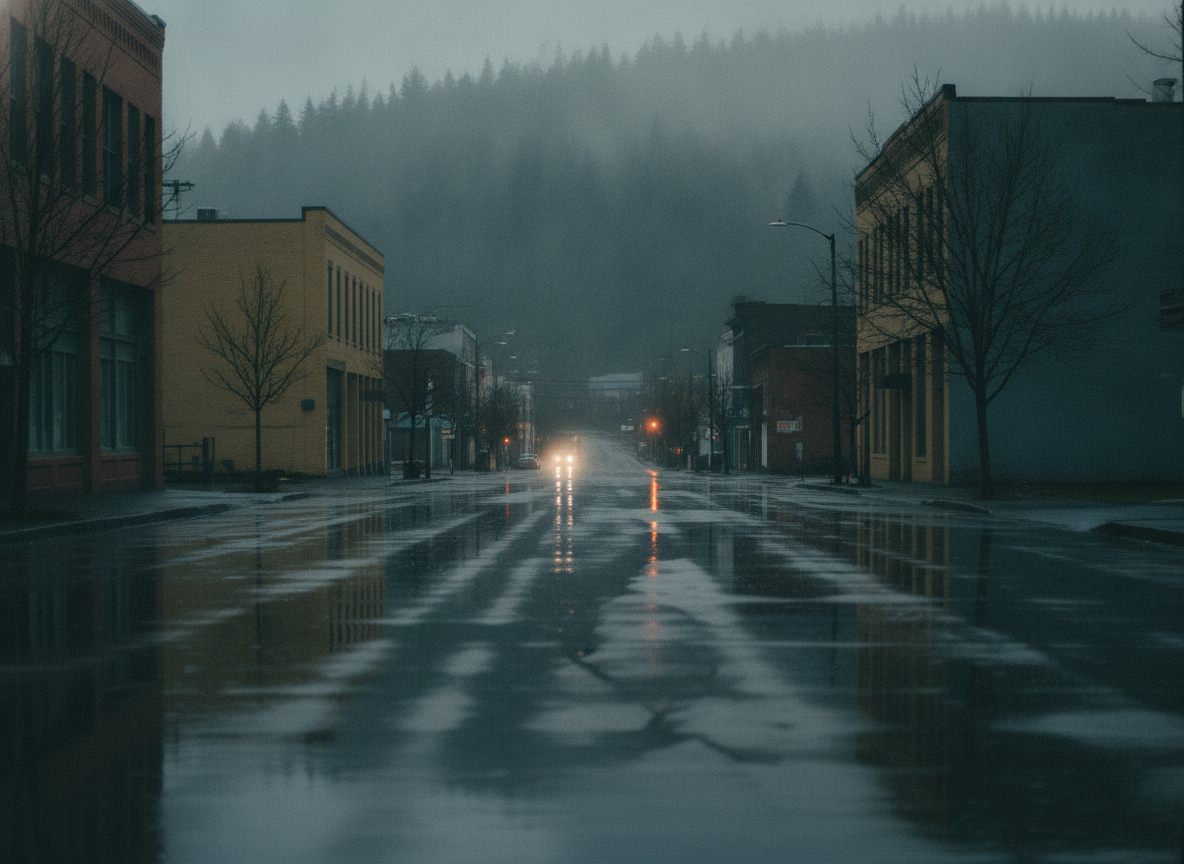
A rain-streaked Pacific Northwest street at dusk with wet pavement and grey mist
The rainy Pacific Northwest, the grey backdrop the Seattle sound grew out of.

From an Aberdeen Garage to the Top of the Charts

The Story

Nirvana's recording career was brief but transformative, moving from a regional independent label to worldwide success in the span of a few years.

A worn small club stage with scuffed monitors and a single microphone stand under dim light
The small-club circuit of the Pacific Northwest, where the band built its sound.
  1. 1989

    Bleach

    Nirvana's debut album, released on the Seattle independent label Sub Pop. Recorded quickly and cheaply, it captured the band's early heavy, sludgy sound and established them on the regional underground scene.

  2. 1990

    Dave Grohl joins

    After several earlier drummers, Dave Grohl joined the band in 1990, solidifying the classic trio of Cobain, Novoselic, and Grohl and giving the rhythm section its powerful drive.

  3. 1991

    Nevermind

    The breakout. Released on a major label and produced by Butch Vig, Nevermind paired polished production with the band's raw energy. Led by "Smells Like Teen Spirit," it became a global success and pushed alternative rock into the mainstream.

  4. 1993

    In Utero

    The follow-up, recorded with engineer Steve Albini, was rawer and more abrasive than its predecessor. It debuted at the top of the charts and produced singles including "Heart-Shaped Box" and "All Apologies."

  5. 1994

    MTV Unplugged in New York

    The band recorded a stripped-down acoustic set for MTV in late 1993, released as an album in 1994. Featuring reworked originals and several covers, it became one of their most acclaimed and enduring recordings.

Four Songs, One Education

Start Here

Nirvana's catalog is compact and direct. These four videos are the fastest way to grasp the band's range, from the breakthrough single to the melodic side of the writing. Watch in order.

01 · The Landmark

"Smells Like Teen Spirit" (1991)

The song that broke the band worldwide. A quiet-loud structure, a huge distorted riff, and an instantly recognizable hook made it the defining single of the alternative era. The essential Nirvana starting point.

02 · The Melody

"Come as You Are" (1991)

A second single from Nevermind, built on a watery, chorus-effected guitar line. It shows the melodic, mid-tempo side of the band's writing alongside the louder material.

03 · The Hook

"In Bloom" (1991)

A big, catchy chorus wrapped in heavy guitars, with a well-known black-and-white video. A clear example of the band's blend of pop craft and rock volume.

04 · The Dynamics

"Lithium" (1991)

A textbook example of the band's loud-quiet-loud dynamic, shifting between restrained verses and a surging chorus. One of the most durable songs in the catalog.


The Landmark Records

The Albums 4 to start with

Nirvana released three studio albums and one live acoustic set. These four records are the whole essential catalog, and the yellow-topped card is the best place to begin.

1989

Bleach

The debut, released on Sub Pop. Heavier and sludgier than the records that followed, it documents the early band and includes "About a Girl," an early sign of Cobain's melodic songwriting.

The debut Open in Apple Music ↗
1991

Nevermind

The breakthrough, produced by Butch Vig. Polished yet powerful, it carries "Smells Like Teen Spirit," "Come as You Are," "In Bloom," and "Lithium," and is the clearest place to begin.

Start here Open in Apple Music ↗
1993

In Utero

The third album, engineered by Steve Albini. Rawer and more abrasive than Nevermind, it includes "Heart-Shaped Box," "Dumb," and "All Apologies," and debuted at the top of the charts.

Essential Open in Apple Music ↗
1994

MTV Unplugged in New York

The acoustic live album, recorded for MTV in 1993. Reworked originals sit beside covers of songs by other artists, revealing the melodic core of the band's material in a stripped-down setting.

Open in Apple Music ↗

Where to Drop the Needle

The Playlists

Two YouTube Music sets: a First Listen of the signature songs to bring you in, and a Deep Cuts set for when you want to go further. (Ideally, though, hear these albums whole.) Hit the button on either card to play it.

First Listen
The Signatures · 9 tracks
  1. Smells Like Teen SpiritNevermind
  2. Come as You AreNevermind
  3. In BloomNevermind
  4. LithiumNevermind
  5. Heart-Shaped BoxIn Utero
  6. All ApologiesIn Utero
  7. About a GirlBleach
  8. The Man Who Sold the WorldUnplugged
  9. DumbIn Utero
▶ Listen on YouTube Music
Deep Cuts
Further In · 9 tracks
  1. BreedNevermind
  2. Drain YouNevermind
  3. Territorial PissingsNevermind
  4. Serve the ServantsIn Utero
  5. Pennyroyal TeaIn Utero
  6. Scentless ApprenticeIn Utero
  7. BlewBleach
  8. Negative CreepBleach
  9. Where Did You Sleep Last NightUnplugged
▶ Listen on YouTube Music

The People on the Records

The Band

Nirvana was a trio, and its classic recordings were shaped by two producers whose contrasting approaches defined the sound of the band's most important albums.

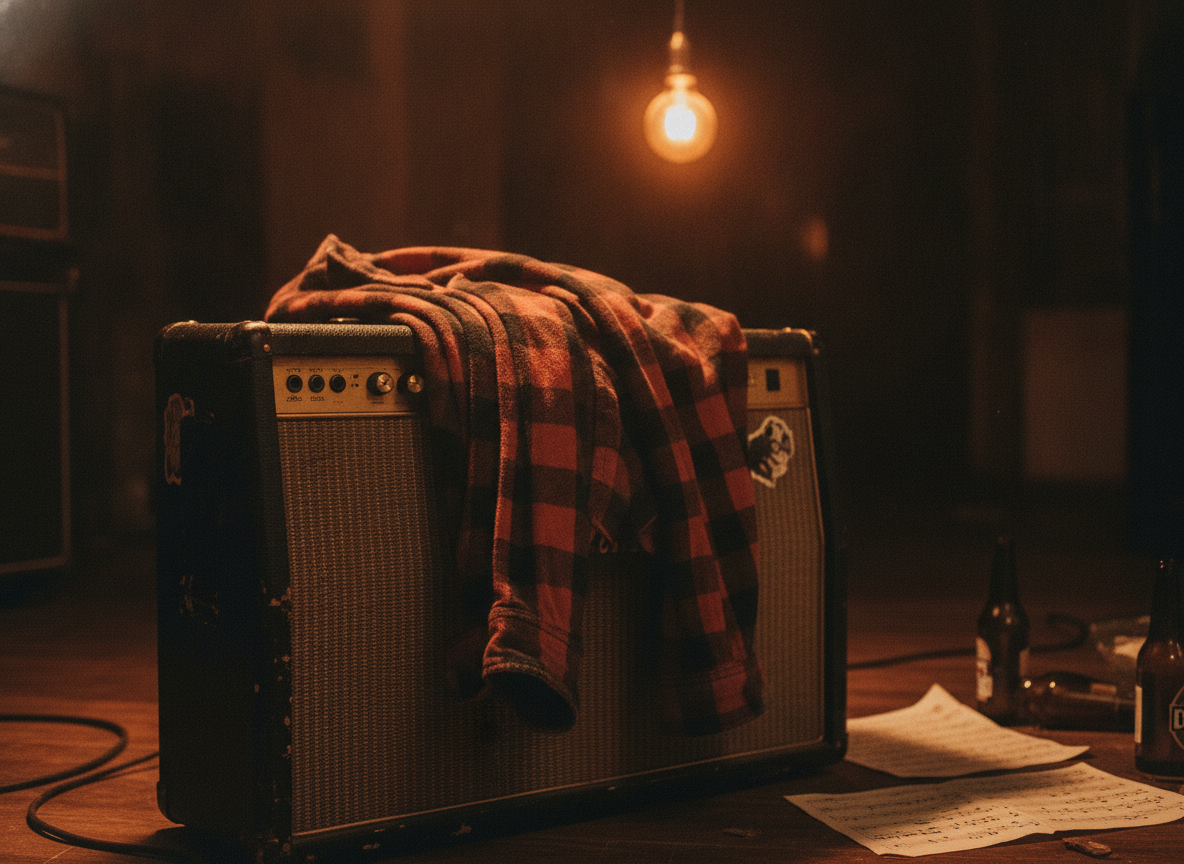
A worn plaid flannel shirt draped over an amplifier in warm low light
The flannel-era Northwest look that became shorthand for the grunge scene.

The Roots of the Sound

Influences

Nirvana drew on American punk, alternative rock, and older folk and blues traditions. Here are some of the touchstones behind the band's sound.

Alternative

Pixies

The Boston band whose loud-quiet-loud dynamic was a direct model. Cobain often cited their approach as a key influence on the structure of his songs.

Open in Apple Music ↗
Sludge

The Melvins

Fellow Washington State musicians whose heavy, slow, downtuned sound shaped the early Nirvana style and connected the band to the regional underground.

Open in Apple Music ↗
Noise Rock

Sonic Youth

The New York band whose experimental guitar work and independent-to-major path helped open the door for Nirvana's own move to a larger label.

Open in Apple Music ↗
Folk / Blues

Lead Belly

The American folk and blues musician whose "Where Did You Sleep Last Night" the band performed on their acoustic set, showing a direct link to older roots traditions.

Open in Apple Music ↗

In Their Own Words

Interviews

Archival interviews and press footage capture the band during its brief, busy career. These conversations are worth seeking out for context on the records.

Interview · MuchMusic (1993)

The Band on Television, 1993

A 1993 MuchMusic television interview with the band around the In Utero era.

Watch on YouTube ↗

The Rabbit Hole

Going Deeper

Once the studio albums have you, Nirvana's world opens into live recordings, compilations, and reissues.

The Way to Listen

Do yourself one favor: put on Nevermind from start to finish, then In Utero. Hearing the two records back to back shows the full arc, from the polished breakthrough to the rawer follow-up.

Radio