Folk Duo • Old-Time & Americana • Chapel Hill Harmony
How two North Carolina musicians built a hushed, harmony-driven catalog as Mandolin Orange, then shed the name for a fresh start as Watchhouse without losing a shred of the warmth.
The Short Version
Who Is This?
Watchhouse is the folk duo of Andrew Marlin and Emily Frantz, based in Chapel Hill, North Carolina. For more than a decade they recorded and toured as Mandolin Orange, releasing a run of quietly beloved albums, before retiring that name in 2021 and starting over as Watchhouse. Same two people, same patient sound, new name.
Two things make them singular. First, the harmony: Frantz's high, clear voice wrapped around Marlin's warmer lead is the center of everything, close and unhurried, the sound of two people who have sung together for years. Second, the restraint: Marlin, the primary songwriter, plays mandolin, guitar, and banjo with a light touch, and the records leave a lot of open space, letting a fiddle line or a single held note carry the weight.
Their music grows out of old-time and bluegrass but rarely races. It is slow, meditative folk about grief, memory, love, and the American South, closer to a front-porch conversation than a barn-burner. If you want music to sit with rather than dance to, this is a good place to start.
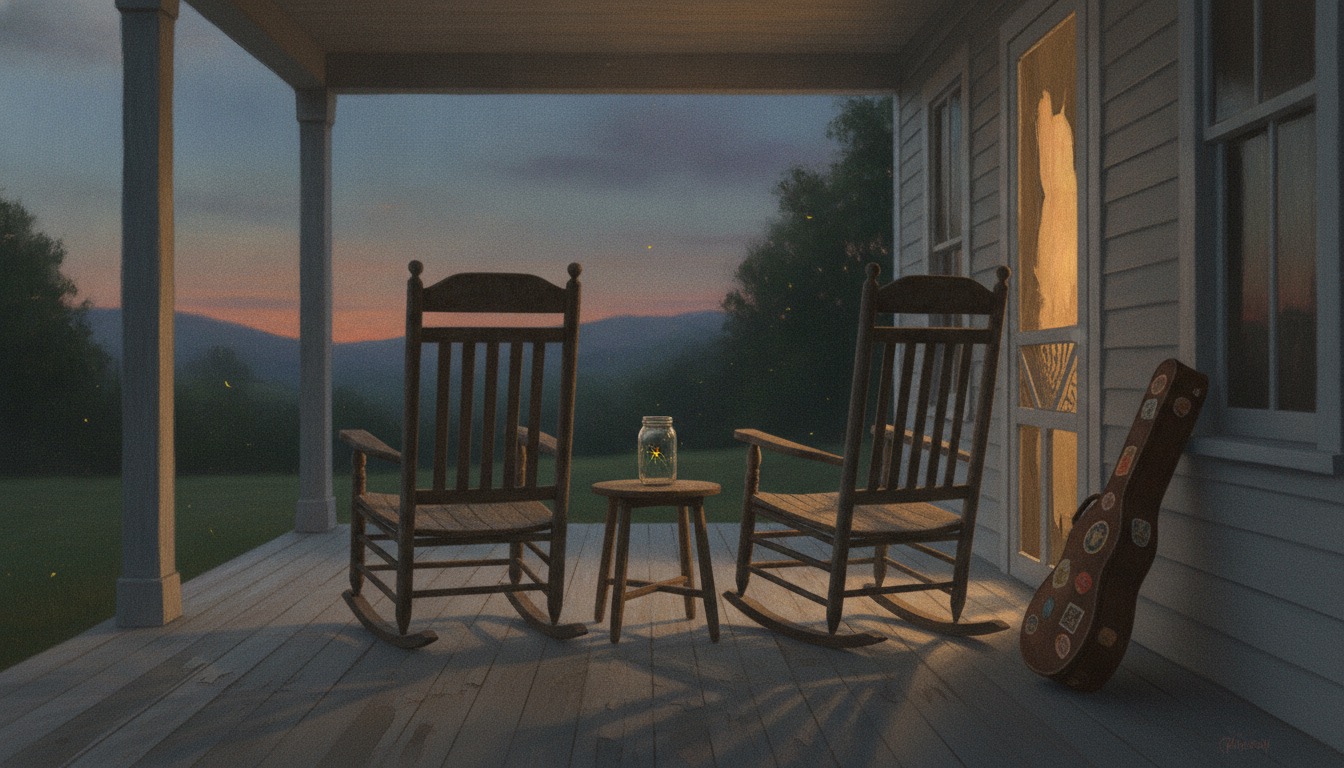
The front-porch stillness at the center of the music.From Mandolin Orange to Watchhouse
The Story
The duo's path runs through the North Carolina music scene, a long climb as a beloved cult act, and a deliberate reinvention right at the peak of their name recognition.
2009
Chapel Hill, North Carolina
Andrew Marlin and Emily Frantz met and began playing together in the Triangle's fertile string-band scene, taking the name Mandolin Orange and building a following one small room at a time.
2010
Quiet Little Room
Their debut set the template: spare, hushed, harmony-forward folk built on mandolin, guitar, and fiddle. The title itself named the mood they would return to for years.
2015
Such Jubilee
Signed to Yep Roc, the duo widened their audience with a warmer, fuller record while keeping the intimacy intact. The touring band around them started to take shape.
2016
Blindfaller
Their breakthrough. "Wildfire," a slow, devastating song about the lingering legacy of the Civil War and slavery, became their signature, and the album pushed them from cult favorite to a much larger stage.
2019
Tides of a Teardrop
Marlin's most personal record, circling the death of his mother when he was a teenager. "Golden Embers" anchored a warm, grief-touched album that many fans consider their finest.
2021
A new name: Watchhouse
The duo retired "Mandolin Orange," a name Marlin had long felt boxed in their music, and re-emerged as Watchhouse with a self-titled album. The change was about a fresh identity, not a new sound.
2025
Rituals
Their second album as Watchhouse leaned into subtle new textures and studio detail while keeping the two voices at the center, proof that the reinvention had room to grow.
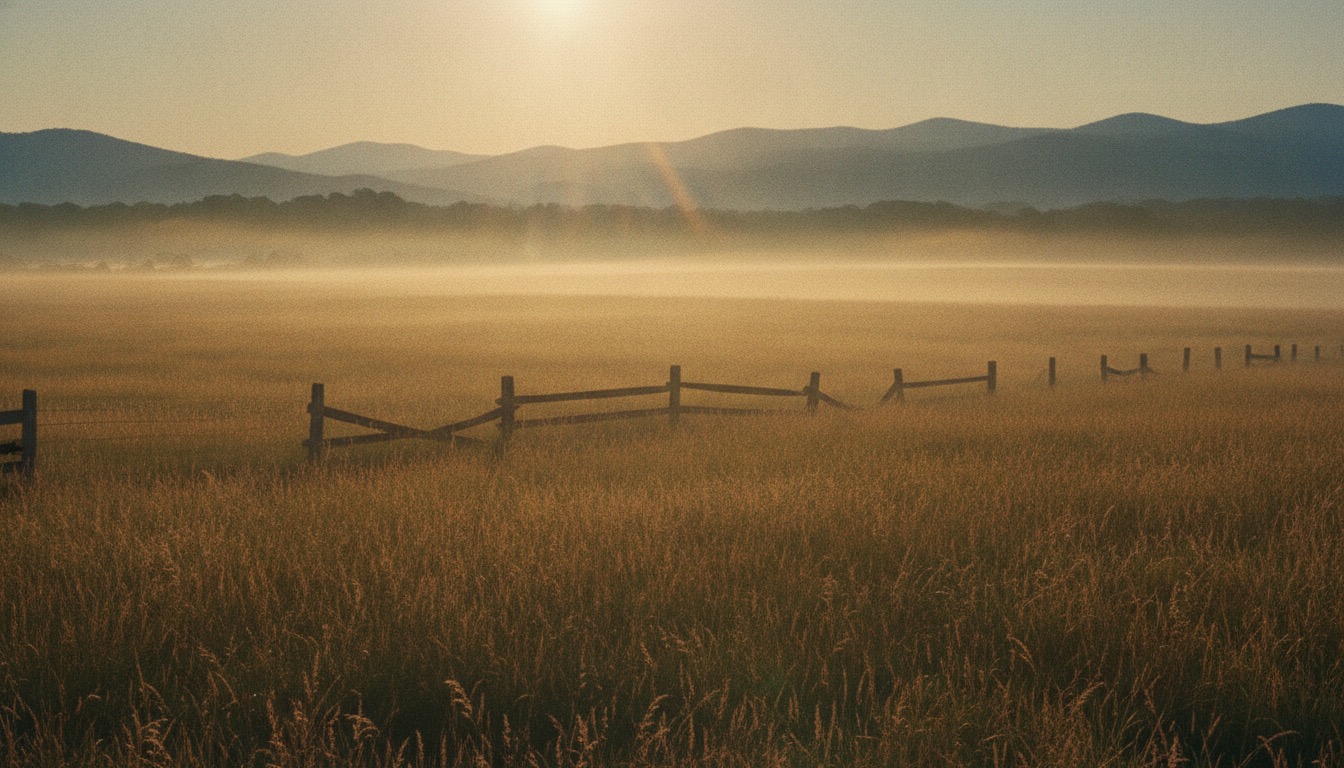
The North Carolina roads that run through the songs.Three Songs, One Education
Start Here
Three songs across their arc: the signature that broke them wide, the grief-touched ballad at their emotional peak, and a recent one under the Watchhouse name. Listen in order.
01 · The Signature
"Wildfire" — 2016
A slow, unflinching song about the American South's inheritance of the Civil War and slavery, carried by Frantz and Marlin's harmony. The song that turned a cult act into a much bigger one.
02 · The Heartbreak
"Golden Embers" — 2019
Marlin wrote it about losing his mother as a teenager. Gentle and unhurried, it is the emotional center of Tides of a Teardrop and one of their most quietly powerful recordings.
03 · The New Chapter
"Rituals" — 2025
The title track from their latest album, performed live. Proof that the Watchhouse name carried the same two voices somewhere new without losing the warmth.
The Studio Catalog
The Albums 6 to start with
The catalog runs across two names but tells one continuous story. The gold-topped cards mark the best entry points; the moss-green marks the earliest, sparest era.
2010
Quiet Little Room
The Mandolin Orange debut: spare, hushed, harmony-forward folk that named its own mood. The template everything after would build on.
One curated YouTube Music playlist gathering the essentials across both names, from the Mandolin Orange breakthrough through the Watchhouse records. (Ideally, though, spend time with these albums whole.) Hit the button below to play it.
Watchhouse has always been two people. Andrew Marlin is the primary songwriter and the multi-instrumentalist, moving between mandolin, guitar, and banjo, and singing lead in a warm, plainspoken voice. Emily Frantz plays fiddle and guitar and sings the high harmony that gives the duo its signature glow. On record and on stage they are often joined by a small band, but the heart of it is the two of them.
That harmony is the constant thread. Frantz's clear, high voice folded around Marlin's lead is the sound people fall for, close and unhurried, the product of years of singing side by side. Even as the arrangements have filled out, the two voices stay right at the front, more like a conversation than a performance.
The writing is the other constant. Marlin fills his songs with grief, memory, love, and the landscapes of the American South, often circling loss without ever getting heavy-handed about it. His lyrics lean plainspoken and patient, trusting a held note or an open space to say as much as a line does.
What makes the catalog worth following is the steadiness of it. They did not chase trends or reinvent their sound with the name change; they simply kept refining the same warm, harmony-driven folk, deepening it record by record while staying recognizably themselves.
The Southern landscapes that run through the songs.The Roots of the Sound
Influences
The duo's patient, harmony-driven folk draws from a lineage of old-time, bluegrass, and duo-based Americana. Here are four of the essential ones.
The Carolina Roots
Doc Watson
The North Carolina flatpicking legend is a foundational touchstone: warm, unshowy playing and a deep well of traditional songs that run straight through the duo's own repertoire.
The closest spiritual sibling: a two-person act making spare, mournful, harmony-driven Americana. The Harrow & The Harvest shares Watchhouse's patience and restraint.
The most influential bluegrass guitarist of his generation. Manzanita's fluid, songful playing sets the standard for the acoustic craft Marlin's band draws on.
Aereo-Plain's loose, playful, deeply rooted take on old-time string-band music helped open the door for the patient, tradition-minded folk the duo makes.
Marlin and Frantz are thoughtful, low-key talkers, much like their songs. One conversation about the name change, and one earlier studio interview from the Mandolin Orange years.
Interview · The News & Observer
Why They Became Watchhouse
Andrew Marlin explains to the Raleigh News & Observer why the duo retired the Mandolin Orange name, a decision about identity and comfort rather than a change in the music itself.
A relaxed public-radio studio conversation with the duo about their songwriting, their harmony, and the road, a good window into the years before the name change.
Once the records have you, there is more to explore across both names and Marlin's own side work.
The Mandolin Orange catalog — the earlier records, including This Side of Jordan (2013), fill in the years before the breakthrough and are all recognizably the same duo.
Andrew Marlin's instrumental records — under his own name he has made warm, largely instrumental old-time and bluegrass albums (Buried in a Cape, Witching Hour, Fable & Fire) worth a look for the picking.
The live show — on stage the duo often expands into a full band, and their harmony and dynamics translate beautifully to a room; their recorded live sessions are a good preview.
The songwriting — for a duo that writes so much about grief and memory, their catalog rewards close, lyric-forward listening more than most.
The Way to Listen
Start with Tides of a Teardrop on headphones, alone, late. It is the duo at their most personal and their most beautiful, and it makes the clearest case for why these two voices are worth following across whatever name they use.