How a Los Angeles-raised songwriter and her guitar-playing partner built a spare, timeless body of American music that sounds like it was unearthed rather than written.
The Short Version
Who Is This?
Gillian Welch is, on paper, a solo artist, but in practice she is half of one of the great duos in American music. Every record and nearly every show is built around her voice and songs alongside David Rawlings, her longtime musical partner, whose spidery lead guitar and high harmony are as much a part of the sound as she is. Two people, two acoustic guitars, and a well of songs that feel older than they are.
Two things make her singular. First, the timelessness: her songs draw so deeply on old-time, gospel, and Appalachian traditions that first-time listeners often assume they are hearing something ancient rather than something written in the 1990s or later. Second, the restraint: the arrangements are almost unbelievably spare, just two voices and two guitars, trusting the song and the silence around it to carry everything.
She is not really country, not really bluegrass, and not quite folk, but somewhere in the middle of all three, in a lonesome, patient territory that is entirely her own. If you want music that feels like it was found in an attic rather than recorded in a studio, start here.
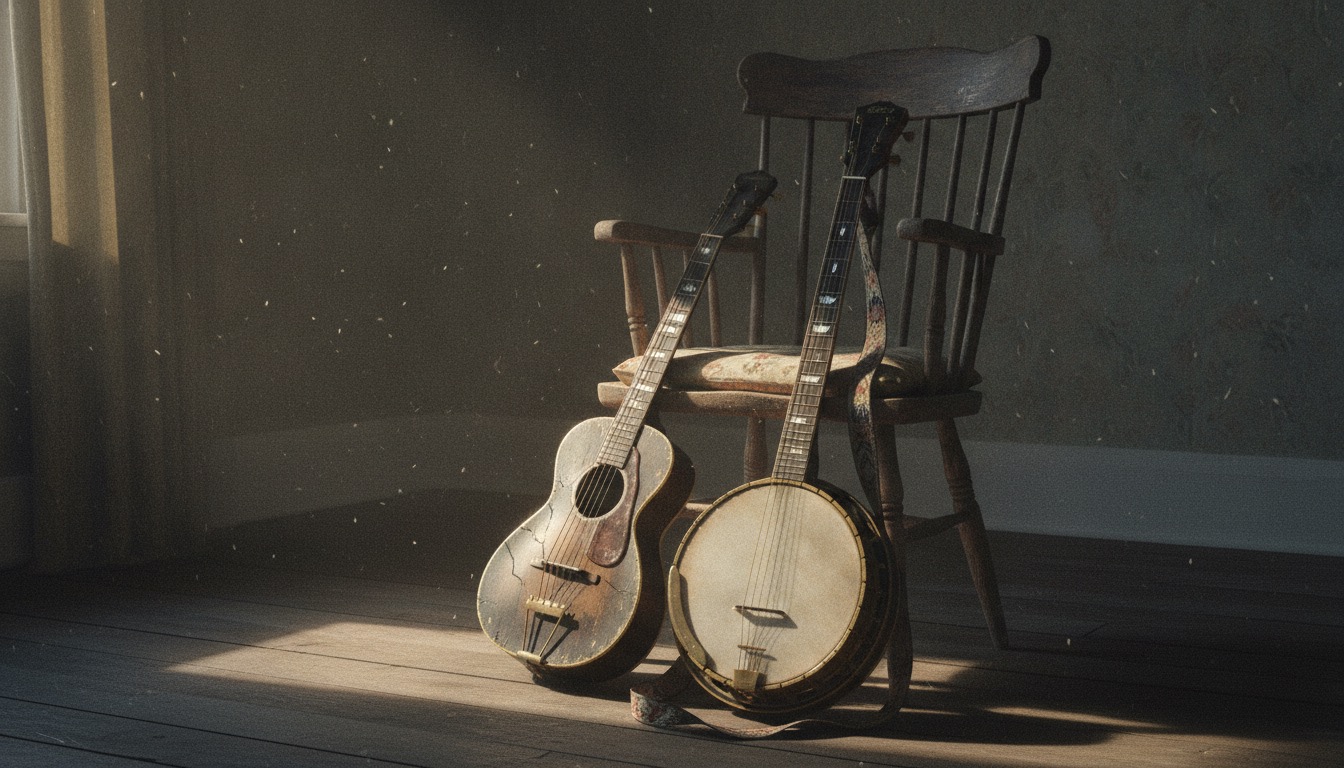
Two voices, two guitars, and a lot of open space.From Los Angeles to the Lonesome Sound
The Story
One of the surprises of Gillian Welch's story is how far she traveled to arrive at music this rooted: raised in California, schooled in Boston, and reborn as an old-time singer in Nashville.
1967
Born in New York, raised in L.A.
Adopted as an infant and raised in Los Angeles by parents who wrote for television, Welch grew up far from the rural South whose music she would eventually make her life's work.
1990s
Berklee and meeting David Rawlings
She found old-time and bluegrass in college, then enrolled at the Berklee College of Music in Boston, where she met guitarist David Rawlings. Their voices locked together immediately, and they moved to Nashville to chase the sound.
1996
Revival
Her debut, produced by T Bone Burnett, introduced the spare, haunted sound and drew a Grammy nomination. Some critics questioned whether a Californian could sing this music; the songs quickly answered them.
2000
O Brother, Where Art Thou?
Welch appeared on and helped shape the blockbuster O Brother soundtrack, which set off a nationwide old-time and bluegrass revival and pushed her music to a far wider audience.
2001
Time (The Revelator)
Self-released on the duo's own Acony label, this stark, self-produced album is widely considered her masterpiece. (It is hard to find on streaming, but worth seeking out on record.)
2011
The Harrow & The Harvest
After a long silence, the duo returned with a dark, beautiful set of songs that won a Grammy and reminded everyone how much weight two guitars and two voices can carry.
2024
Woodland
Their first album of new original songs in thirteen years, made at their tornado-damaged Nashville studio and released under both their names. A warm, unhurried late-career high point.
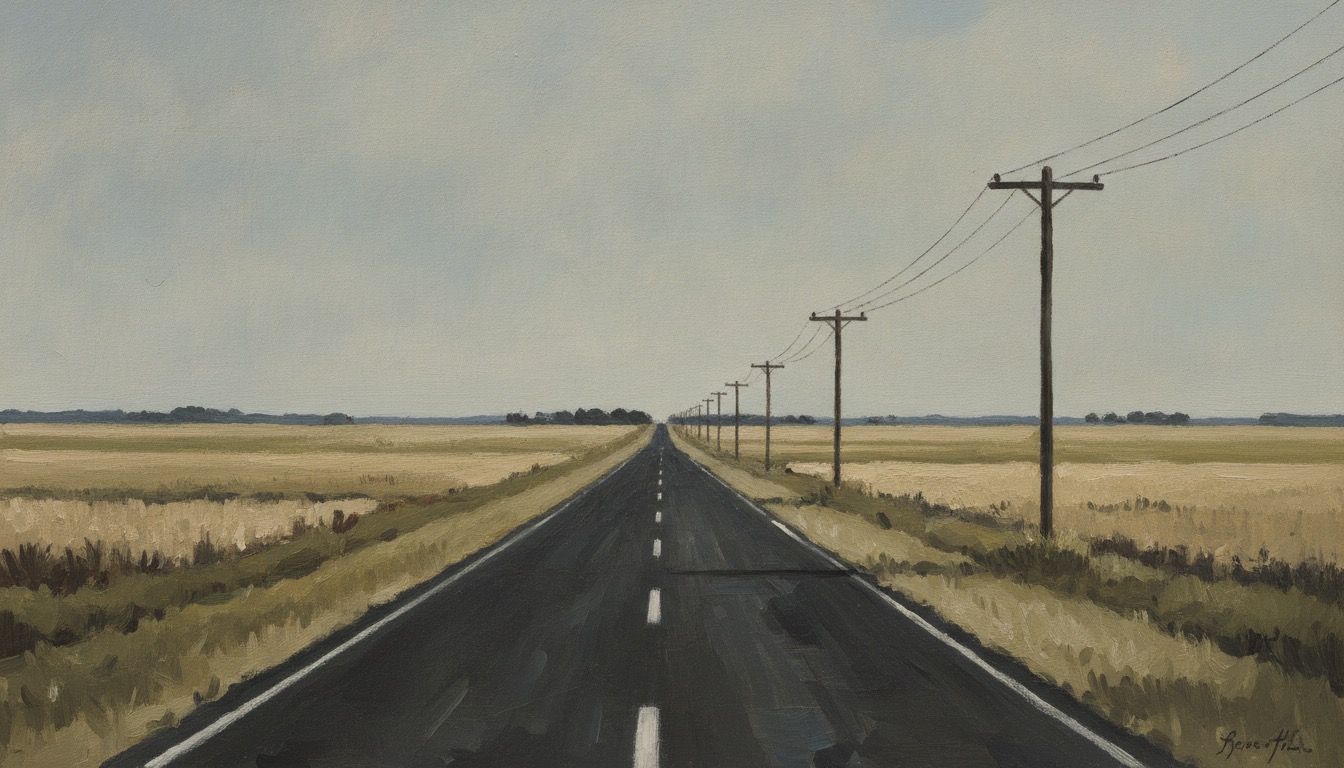
The lonesome American landscapes that run through the songs.Three Songs, One Education
Start Here
Three songs across the arc: the masterpiece-era ballad, the closest thing she has to a standard, and a recent one from the long-awaited return. Listen in order.
01 · The Masterpiece
"Elvis Presley Blues" — 2001
From Time (The Revelator), a hushed meditation on Elvis, mortality, and American myth. As good an introduction as exists to the duo's spare, spellbinding sound.
02 · The Standard
"Look at Miss Ohio" — 2003
From Soul Journey, a loose, rueful song about wanting to do right and not being ready yet. Widely covered, and the closest thing she has to a signature.
03 · The Return
"Empty Trainload of Sky" — 2024
The lead single from Woodland, their first new songs in over a decade. Proof that the two-voices-and-two-guitars formula still runs deep after thirty years.
The Studio Catalog
The Albums 5 to start with
A small, near-perfect catalog spread across three decades. The gold-topped cards mark the best entry points; the moss-green marks the earliest era. Note that her landmark Time (The Revelator) is not currently on Apple Music, so seek it out on vinyl or elsewhere.
1996
Revival
The T Bone Burnett-produced debut that announced the sound: spare, haunted, and older than its years. "Orphan Girl" and "Annabelle" live here.
One curated YouTube Music playlist gathering the essentials across the whole catalog, including songs from Time (The Revelator). (Ideally, though, spend time with these albums whole.) Hit the button below to play it.
Though the records carry Gillian Welch's name, the music is inseparable from David Rawlings. He writes with her, sings the high harmony, and plays a small, vintage archtop guitar with a spidery, unmistakable lead style that answers her voice line for line. When the two of them sing together, it is nearly impossible to tell where one voice ends and the other begins.
That partnership is the whole engine of the sound. There is no drummer to hide behind, no studio gloss, usually not even a bass. The two of them stand at a pair of microphones and let the songs breathe, which means every note has to count. It is a high-wire act that they have made look effortless for thirty years.
The writing is the other constant. Welch's songs are steeped in old-time, gospel, and Appalachian imagery, full of trains, orphans, whiskey, and hard weather, but they are original compositions, not covers, which is part of what makes them uncanny. They sound handed down even when the ink is barely dry.
What makes the catalog worth following is its patience. The two of them release music slowly, sometimes with years of silence between records, and every album feels considered rather than churned out. Rawlings also records under his own name (the Dave Rawlings Machine), with Welch alongside him, so the partnership simply flips its billing.
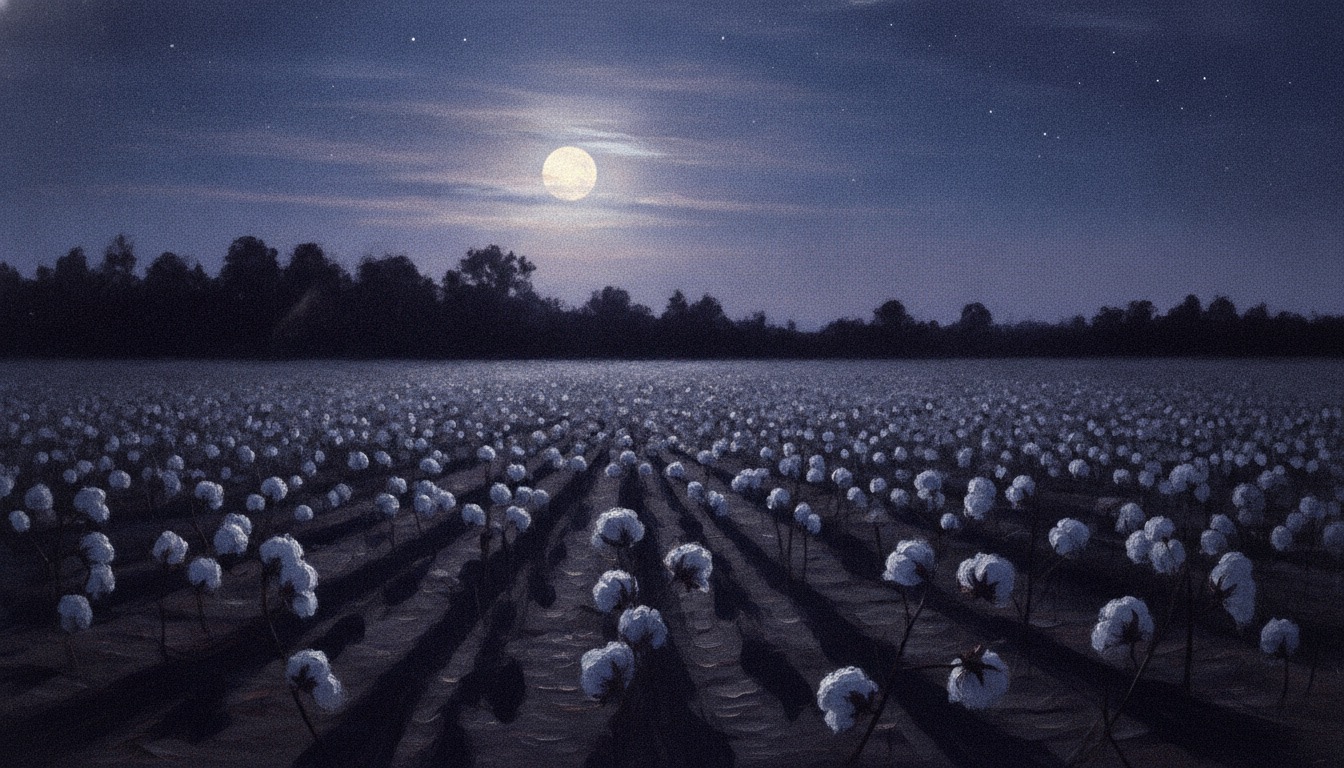
The lonesome, midnight quality at the heart of the songs.The Roots of the Sound
Influences
Welch's music draws on the deepest roots of American song: old-time family bands, high-lonesome bluegrass, and the songwriters who reshaped the tradition. Here are four essential ones.
The First Family
The Carter Family
The foundational old-time act. Their close harmonies and deep well of traditional songs are the bedrock Welch's whole aesthetic is built on.
Dylan's way of writing new songs that feel like old ones is a clear model for Welch, and Blood on the Tracks's spare, wounded storytelling is close kin to hers.
Welch and Rawlings are thoughtful, dry, and unhurried talkers, much like their music. A public-television profile, and a radio conversation about their craft.
Interview · PBS NewsHour
A Portrait of the Duo
A PBS NewsHour profile of Welch and Rawlings that pairs performance with conversation about their partnership, their writing, and the roots their music grows from.
Once the records have you, there is more to explore around the edges of the catalog.
Time (The Revelator) — the 2001 masterpiece is hard to find on streaming but essential; track it down on vinyl or CD if you fall for the sound.
The Dave Rawlings Machine — records billed to Rawlings, with Welch alongside, that let a fuller band and a more freewheeling spirit into the sound.
The Boots series — archival collections (Boots No. 1 and No. 2) gathering demos, outtakes, and lost songs for listeners who want to dig.
O Brother, Where Art Thou? — the soundtrack she helped shape is a great doorway into the whole old-time revival her music sits at the center of.
The Way to Listen
If you can find it, start with Time (The Revelator) on headphones, late at night. If you cannot, The Harrow & The Harvest is the next best door in, and streams everywhere. Either way, listen for the two voices and how little else there is.