How a kid from Brooklyn with a bottomless flow and a storyteller's eye became the standard by which every rapper after him is measured, in a career that lasted barely four years.
The Short Version
Who Is He?
The Notorious B.I.G. (born Christopher Wallace in Brooklyn in 1972, and also known as Biggie Smalls) is one of the most revered rappers in the history of the music. He grew up in the Clinton Hill and Bedford-Stuyvesant neighborhoods, sharpened his craft in street-corner ciphers, and turned a demo tape into a career that reshaped East Coast hip-hop almost overnight.
Two things make him singular. First, the voice and flow: a deep, unhurried baritone that could ride any tempo and make complex rhyme schemes sound like casual conversation. Second, the storytelling: he wrote vivid, cinematic narratives full of humor, dread, and detail, moving from hardship to celebration and back within a single verse.
He released only one album in his lifetime, Ready to Die, and a second, Life After Death, arrived days after he was killed in 1997 at the age of twenty-four. That slim body of work still casts a long shadow. To understand modern rap, you start here.
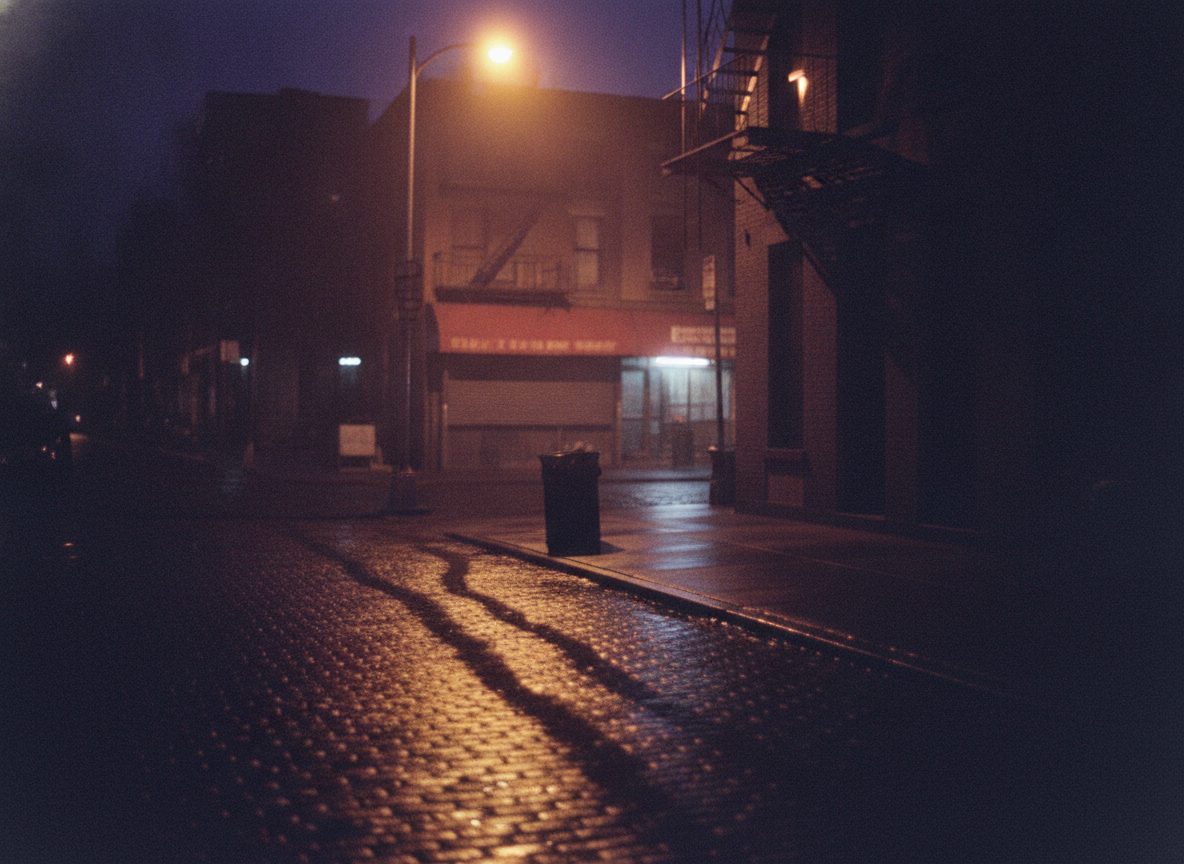
Brooklyn brownstones and the block, the world Biggie's music grows from.From a Brooklyn Stoop to a Rap Legend
The Story
Biggie's career was short and meteoric, a rapid climb from local demos to national stardom, cut off just as he was reaching the height of his powers.
The corner, the cipher, and a demo tape that changed everything.
1972
Born in Brooklyn
Christopher Wallace was raised by his mother, Voletta, in Clinton Hill, Brooklyn. A quick, gifted kid, he grew up steeped in the sounds of the neighborhood and started rhyming on the block as a teenager.
1992
The demo and "Unsigned Hype"
A raw demo tape, championed by DJ Mister Cee, landed him a write-up in The Source's "Unsigned Hype" column. It reached a young A&R named Sean "Puffy" Combs, who signed him almost immediately.
1993–1994
Bad Boy and the first singles
When Combs launched Bad Boy Records, Biggie became his flagship artist. Early appearances and the single "Juicy" set the stage for a debut that the whole industry was waiting on.
1994
Ready to Die
His debut album arrived in September and was an immediate landmark, pairing gritty street narratives with radio-ready hits and announcing the rebirth of East Coast rap.
1995
Junior M.A.F.I.A. and stardom
He built out his Brooklyn crew Junior M.A.F.I.A., launching the career of Lil' Kim, while "Big Poppa" and "One More Chance" made him a mainstream star and a magnet for the era's coastal tensions.
1997
A life cut short
On March 9, 1997, Biggie was shot and killed in Los Angeles at twenty-four. The murder remains officially unsolved and robbed hip-hop of one of its greatest voices at his creative peak.
1997
Life After Death
His sprawling double album was released just over two weeks after his death. Ambitious and assured, it topped the charts and cemented his standing as an all-time great.
Four Songs, One Education
Start Here
Biggie's catalog is small but perfect. These four songs are the fastest way to grasp the range, from the underdog anthem to the smooth crossover hit to the effortless late peak. Watch in order.
01 · The Anthem
"Juicy" (1994)
The perfect introduction: a warm, triumphant rags-to-riches story built on a Mtume sample. Funny, tender, and endlessly quotable, it is the song that shows exactly why the world fell for him.
02 · The Crossover
"Big Poppa" (1994)
The smooth, charismatic hit that took Biggie to the top of the charts. A relaxed groove and an easy, magnetic flow that proved he could rule the radio without losing an ounce of his edge.
03 · The Peak
"Hypnotize" (1997)
The lead single from Life After Death: glossy, confident, and impossibly smooth. Biggie at the absolute height of his craft, riding a slick groove with total control.
04 · The Party
"Mo Money Mo Problems" (1997)
A bright, celebratory hit built on a Diana Ross sample, featuring Puff Daddy and Mase. Proof of Biggie's range: he could carry a sober street tale and a full-on pop party with equal ease.
The Landmark Records
The Albums 4 to start with
Biggie's official catalog is tiny, only two albums in his lifetime, followed by posthumous releases assembled from his verses. These four are the pillars. The purple-topped cards are the best place to begin.
1994
Ready to Die
The debut and the classic. A vivid, cinematic portrait of Brooklyn life that swings from despair to celebration, home to "Juicy," "Big Poppa," and "One More Chance." The perfect starting point.
The sprawling, ambitious double album, released just after his death. From "Hypnotize" to "Mo Money Mo Problems" to "Sky's the Limit," it shows an artist stretching in every direction at once.
The first posthumous album, built from unreleased verses and new guest features. Uneven by nature, but a window into how much material and influence he left behind.
The second posthumous set, pairing his verses with a wide cast of guests. A late-catalog curiosity best saved for after the two essential albums have their hold on you.
Two YouTube Music playlists: a First Listen of the signature songs to bring you in, and a Deep Cuts set of the darker, headphone-reward pieces for when you want to sink in. (Ideally, though, hear these albums whole.) Hit the button on either card to play it.
Biggie was a solo artist, but his records were built by a tight circle of Bad Boy producers, protégés, and singers who framed his voice and carried his sound.
The studio and the Bad Boy team that framed the voice.
Sean "Puff Daddy" CombsBad Boy founder / executive producerSigned Biggie, built Bad Boy Records around him, shaped the glossy, sample-driven sound, and appeared on several of his biggest hits
The HitmenBad Boy production teamThe in-house crew of producers, including Deric "D-Dot" Angelettie, Nashiem Myrick, and Carlos Broady, who built much of Life After Death
Easy Mo BeeProducerCrafted a large share of Ready to Die, including "Warning" and much of its grittier, sample-based backbone
DJ PremierProducerThe Gang Starr legend behind the stark, hard-hitting "Unbelievable," a touchstone of the boom-bap sound
Lil' KimJunior M.A.F.I.A. / protégéThe breakout star of his Brooklyn crew, mentored and co-written by Biggie before her own major solo career
Junior M.A.F.I.A.Group / crewThe Brooklyn collective he assembled and featured, delivering the 1995 hit "Get Money" and launching several careers
Faith EvansVocalistThe R&B singer and Bad Boy labelmate, married to Biggie, who sang on his records and later helped carry his legacy
The Roots of the Sound
Influences
Biggie came up on the golden age of New York rap, absorbing its master lyricists and storytellers. Here is some of the music that shaped his flow and his craft.
Rhyme
Big Daddy Kane
The smooth, virtuosic Brooklyn lyricist whose commanding flow and charisma were a direct model for Biggie's own effortless delivery.
With Eric B., Rakim reinvented rap cadence, introducing the internal rhymes and laid-back precision that every lyricist after him, Biggie included, had to reckon with.
Biggie was warm, funny, and disarmingly candid on camera, whether trading jokes with a radio host or reflecting on the neighborhood that raised him. His archival interviews are worth seeking out.
Interview · Archive
Biggie, In Conversation
From radio freestyles to television sit-downs, Biggie's interviews reveal an easy charisma and sharp humor behind the larger-than-life persona.
Interview · Documentary
The Filmed Portraits
Documentaries such as Biggie: I Got a Story to Tell gather home footage and interviews with the people who knew him best, tracing the man behind the legend. Search YouTube for clips and conversations.
Once the two essential albums have you, Biggie's world opens into features, remixes, and the wider story of Bad Boy and mid-nineties rap.
The guest verses. some of his best work lives on other artists' records, from "Get Money" with Junior M.A.F.I.A. to standout features across the Bad Boy roster.
The remixes. the "One More Chance" and "Who Shot Ya?" era shows how Bad Boy reworked his songs into radio and club staples, a key part of the mid-nineties sound.
The documentaries. Biggie: I Got a Story to Tell and other films gather home video and interviews that fill in the man behind the music.
The wider scene. explore the New York rap that surrounded him, from Nas and Wu-Tang Clan to Jay-Z, to hear how his era reshaped hip-hop.
The Way to Listen
Do yourself one favor: put on Ready to Die from start to finish, then Life After Death. Let the storytelling pull you in. Biggie is a writer as much as a rapper, and the details repay close attention.