How a multiracial band from Southern California blended funk, soul, Latin, jazz, and reggae into a warm, streetwise groove all their own, and wrote some of the most enduring anthems in American music.
The Short Version
Who Is This?
War is an American band from Long Beach, California, active since 1969, who blended funk, soul, Latin music, jazz, rock, and reggae into a warm, streetwise groove unlike anyone else's. They are one of the great American bands, behind a run of anthems that everyone knows.
Two things make them singular. First, the fusion: they wove harmonica, organ, congas, and horns into a genuinely multicultural sound that reflected the diverse Southern California streets they came from. Second, the warmth: their music is communal, easygoing, and deeply human, built for the neighborhood as much as the charts.
They are funk at the root, but a funk stretched to include Latin grooves, jazz jams, and reggae lilt. If you want music that feels like a block party on a summer evening, start here.
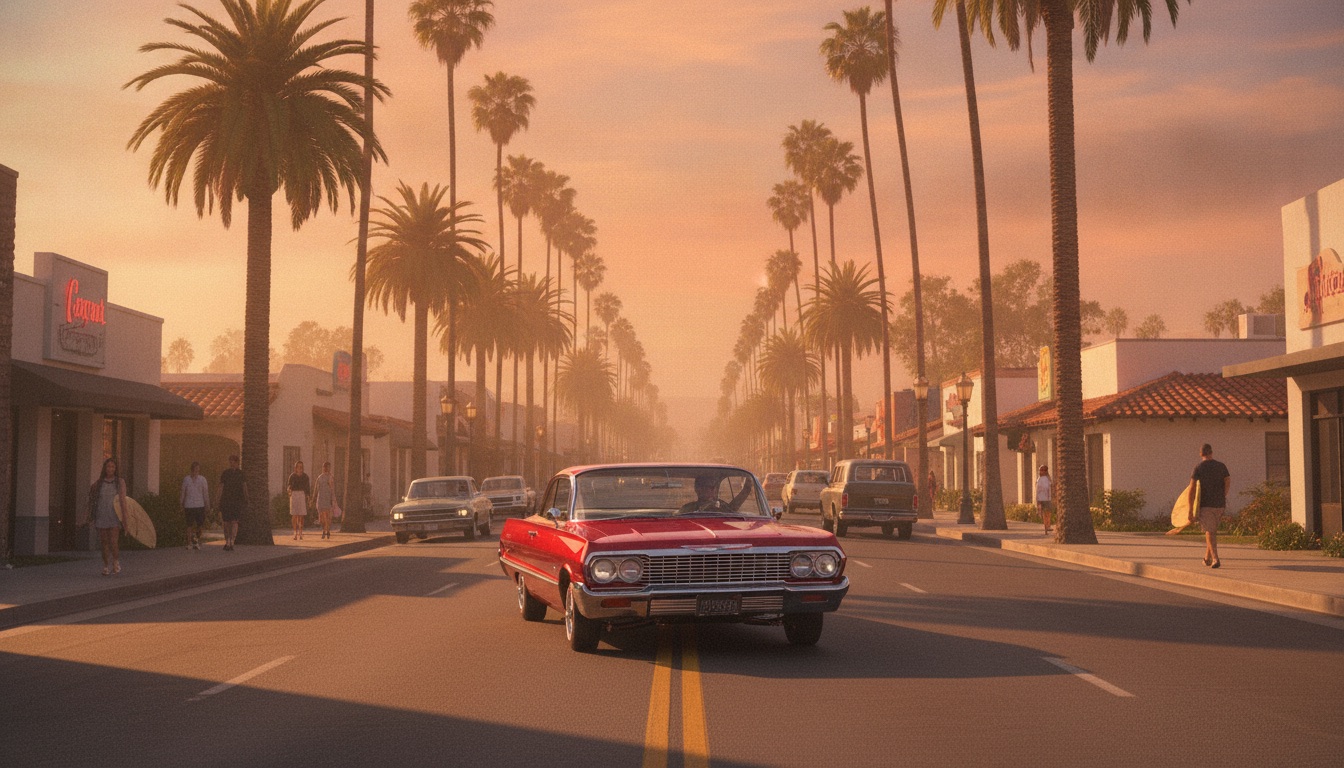
The Southern California streets that made the sound.From Backing Band to Anthem Machine
The Story
War began backing a British rock star and quickly became one of the most distinctive and successful bands in America, writing anthems that never left the culture.
1969
Backing Eric Burdon
The Long Beach band joined forces with former Animals singer Eric Burdon, and their first hit together, the trippy "Spill the Wine," introduced their genre-melting sound.
1971
All Day Music
Now on their own, they found their voice: mellow, streetwise, and socially aware, with the title track and the haunting "Slippin' into Darkness."
1972
The World Is a Ghetto
Their masterpiece and the best-selling album of 1973, home to "The Cisco Kid" and the slow-burning title track. A perfect fusion of funk, Latin, and soul.
1973
Deliver the Word
Another strong seller, with "Gypsy Man" and "Me and Baby Brother," deepening their blend of grooves and their easy, communal feel.
1975
Why Can't We Be Friends?
Home to the sing-along title track and the immortal "Low Rider," one of the most recognizable songs in American music.
Beyond
A lasting groove
Their anthems became permanent fixtures of film, radio, and sampling, and the band kept performing for decades, their sound as warm and welcome as ever.
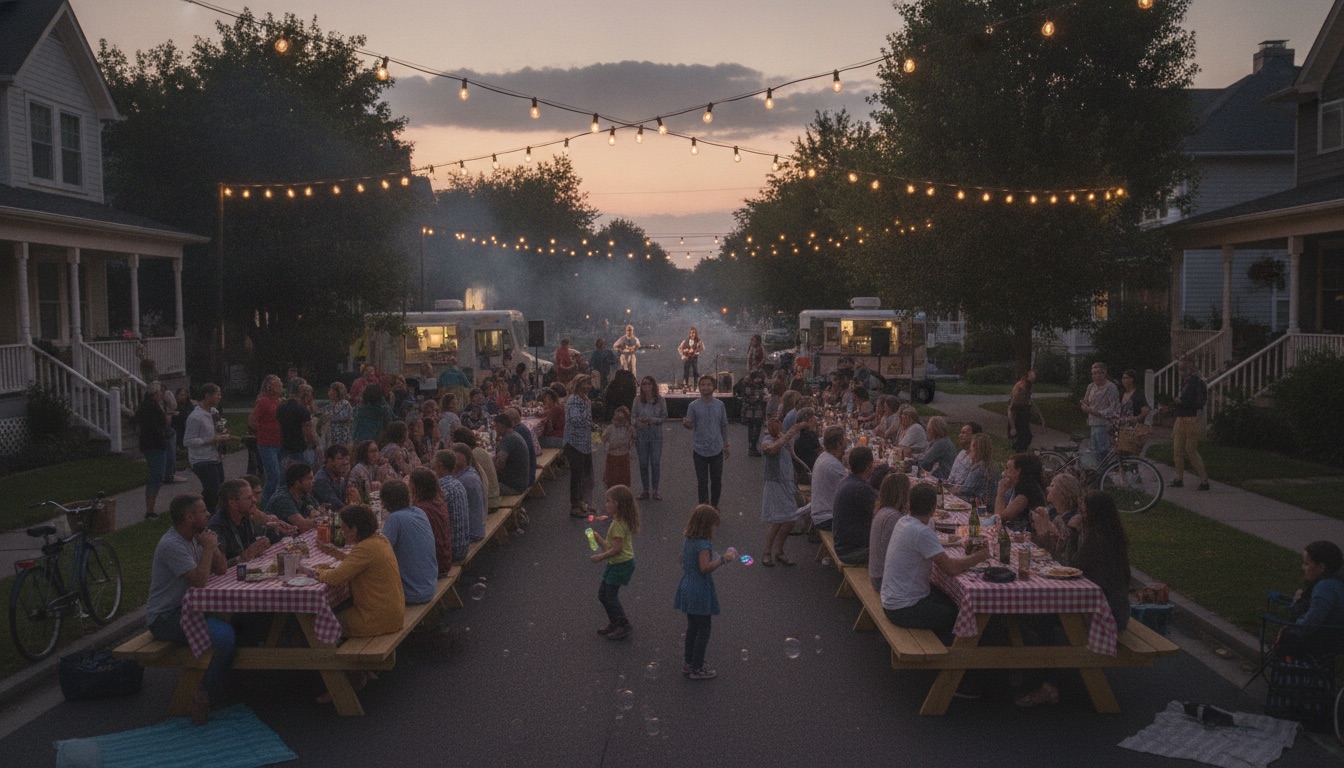
Music built for the whole neighborhood.Three Songs, One Education
Start Here
Three songs that hold their whole world: the eternal groove, the Latin-funk anthem, and the sing-along. Listen in order.
01 · The One to Play First
"Low Rider" — 1975
One of the most instantly recognizable grooves ever recorded: cowbell, horns, and a bassline everyone knows. The perfect three-minute distillation of what makes War great.
02 · The Latin-Funk Anthem
"The Cisco Kid" — 1972
A loping, horn-and-percussion-driven hit from The World Is a Ghetto, playful and irresistible. The clearest window into their multicultural blend.
03 · The Sing-Along
"Why Can't We Be Friends?" — 1975
A warm, funny, reggae-tinged plea for unity that anyone can sing after one listen. Their communal spirit at its most disarming and joyful.
The Studio Catalog
The Albums 5 to start with
A run of warm, groove-rich albums. The gold-topped cards mark the best entry points; the moss-green marks the earliest era here.
1971
All Day Music
Where they found their own voice: mellow, streetwise, and socially aware, with the title track and the classic "Slippin' into Darkness." A wonderful place to begin.
The single best one-stop introduction, gathering "Low Rider," "The Cisco Kid," "Why Can't We Be Friends?," "Spill the Wine," and more into one perfect run.
One curated YouTube Music playlist gathering the essentials across the catalog. (Ideally, though, spend time with The World Is a Ghetto whole.) Hit the button below to play it.
War is a true band, a democratic collective in which no single frontman dominates. Their sound is built from an unusual palette: Lee Oskar's melodic harmonica, Lonnie Jordan's organ and piano, layered percussion and congas, warm horns, and group vocals that trade lines like a conversation on a porch.
Their genius is fusion. Growing out of the multicultural streets of Southern California, they folded funk, soul, Latin music, jazz, rock, and reggae into a single, seamless groove. Few bands have ever blended so many traditions so naturally, or made it sound so unforced and warm.
They are also, quietly, a socially conscious band. Beneath the party grooves are songs about the ghetto, about darkness and struggle, and about the simple, radical hope of people getting along. That mix of joy and awareness gives the music real depth.
What makes them worth following is how permanently their songs have lodged in the culture. "Low Rider" alone turns up everywhere, and the whole catalog remains a wellspring for samplers and a reliable source of pure, communal pleasure.
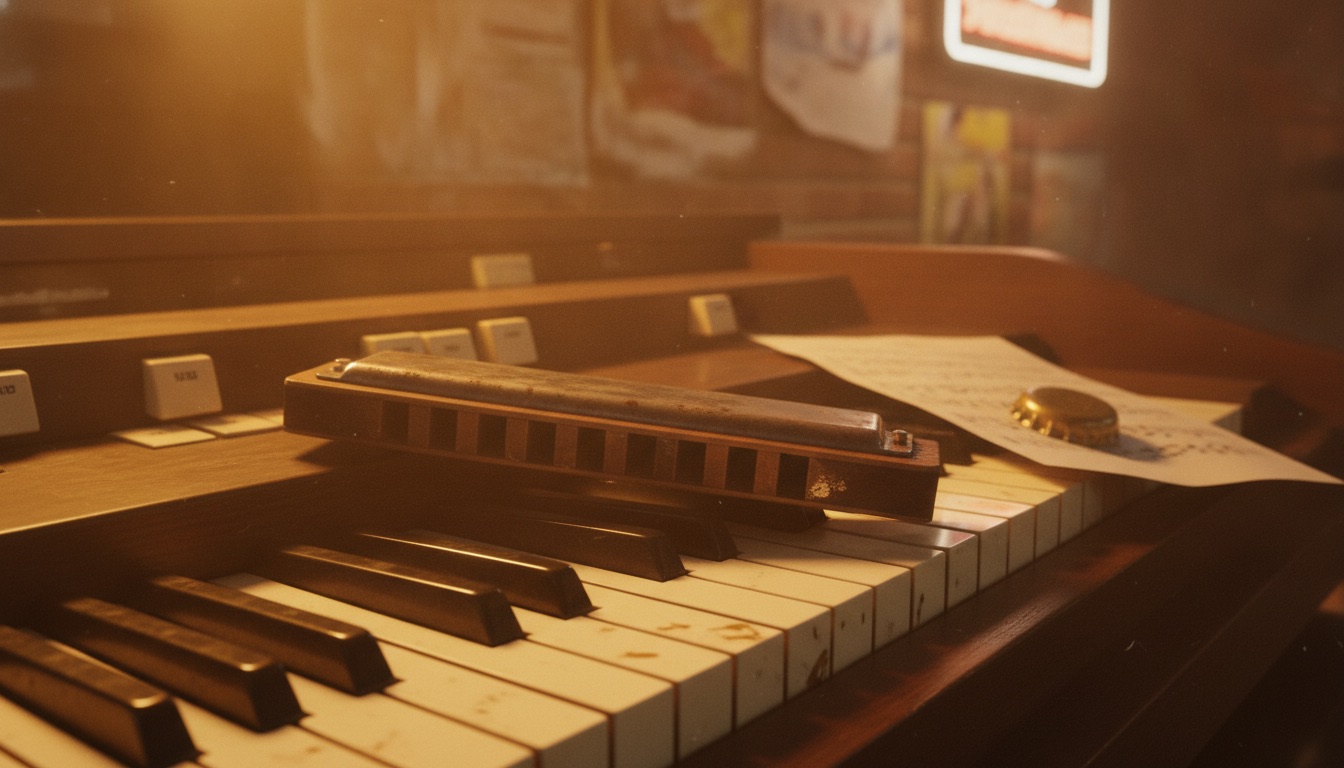
Harmonica, organ, and a whole neighborhood's groove.The Roots of the Sound
Influences
War drew on funk, soul, Latin music, and the sounds of their diverse home. Here are four touchstones.
The Fusion
Sly & the Family Stone
Sly's multiracial band and genre-melting funk-soul is the clearest model for War's own diverse lineup and boundary-free groove.
Founding keyboardist Lonnie Jordan is a warm, funny keeper of the band's history. A public-radio conversation, and a talk from the band's own channel.
Interview · KCRW
On Southern California and the Sound
A public-radio conversation with founding keyboardist Lonnie Jordan about the band's Southern California roots, its multicultural sound, and its long history.
From War's own channel, founding member Lonnie Jordan reflects on the band's origins, its anthems, and the spirit that has kept the groove going for decades.