How six players from Macon, Georgia fused blues, jazz, and country into a roaring twin-guitar sound, turned the improvised jam into an art form, and made one of the greatest live albums ever recorded.
The Short Version
Who Are They?
The Allman Brothers Band formed in Macon, Georgia, in 1969 and became the founding band of Southern rock. Built around the brothers Duane and Gregg Allman, they welded electric blues, country, and the loose improvisation of jazz into something new: long, exploratory jams anchored by two lead guitars and two full drum kits.
Two things make them singular. First, the interplay: Duane Allman and Dickey Betts traded and harmonized lead guitar lines while a double-drummer engine pushed the music forward, a sound no one had built a band around before. Second, the stage: the group did its finest work live, stretching songs into fluid, telepathic jams that still set the standard for the entire jam-band world.
Tragedy shadowed the band from the start, and they carried on through it for decades. To understand Southern rock, the jam tradition, and the art of the guitar duel, you start here.
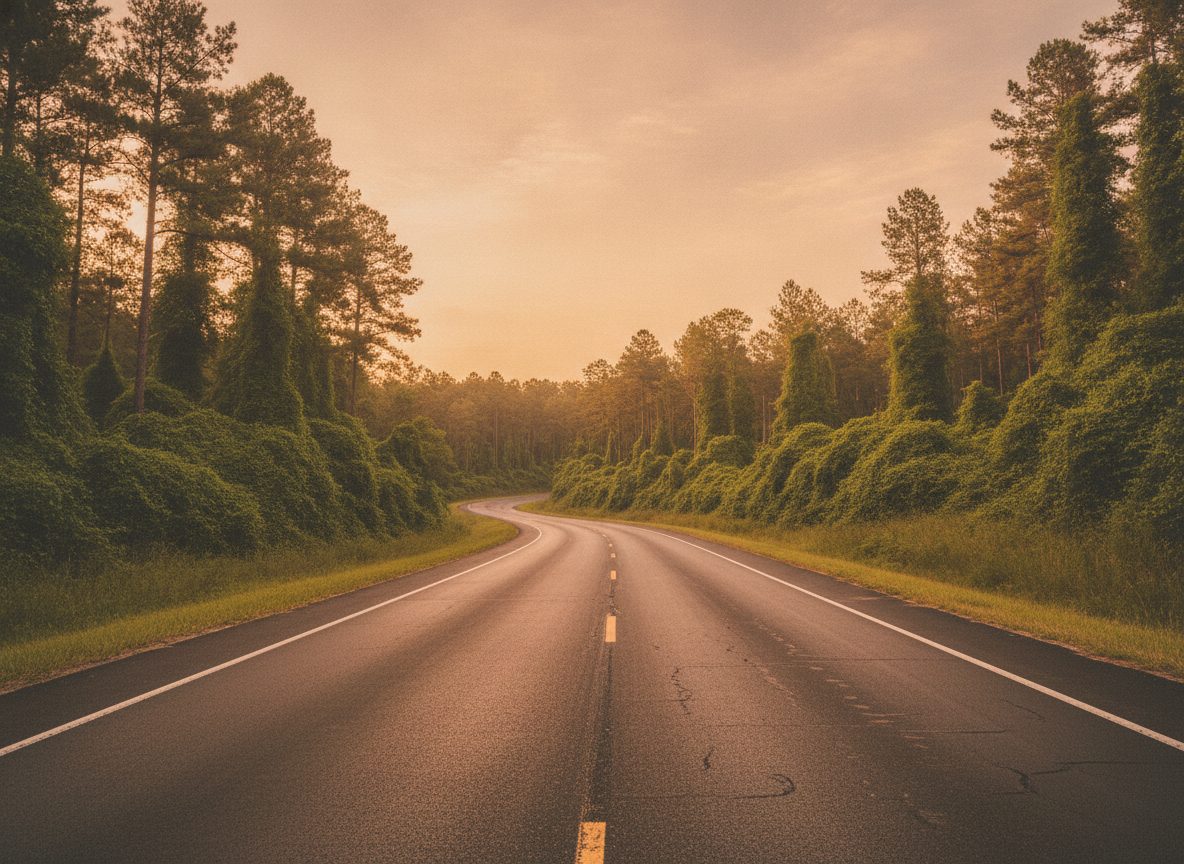
Georgia backroads and roadhouse blues, the ground the Allmans' music grows from.From a Macon Rehearsal to the Fillmore Stage
The Story
The Allman Brothers Band's story is one of a group that reached staggering heights almost immediately, then had to survive loss after loss without losing the music.
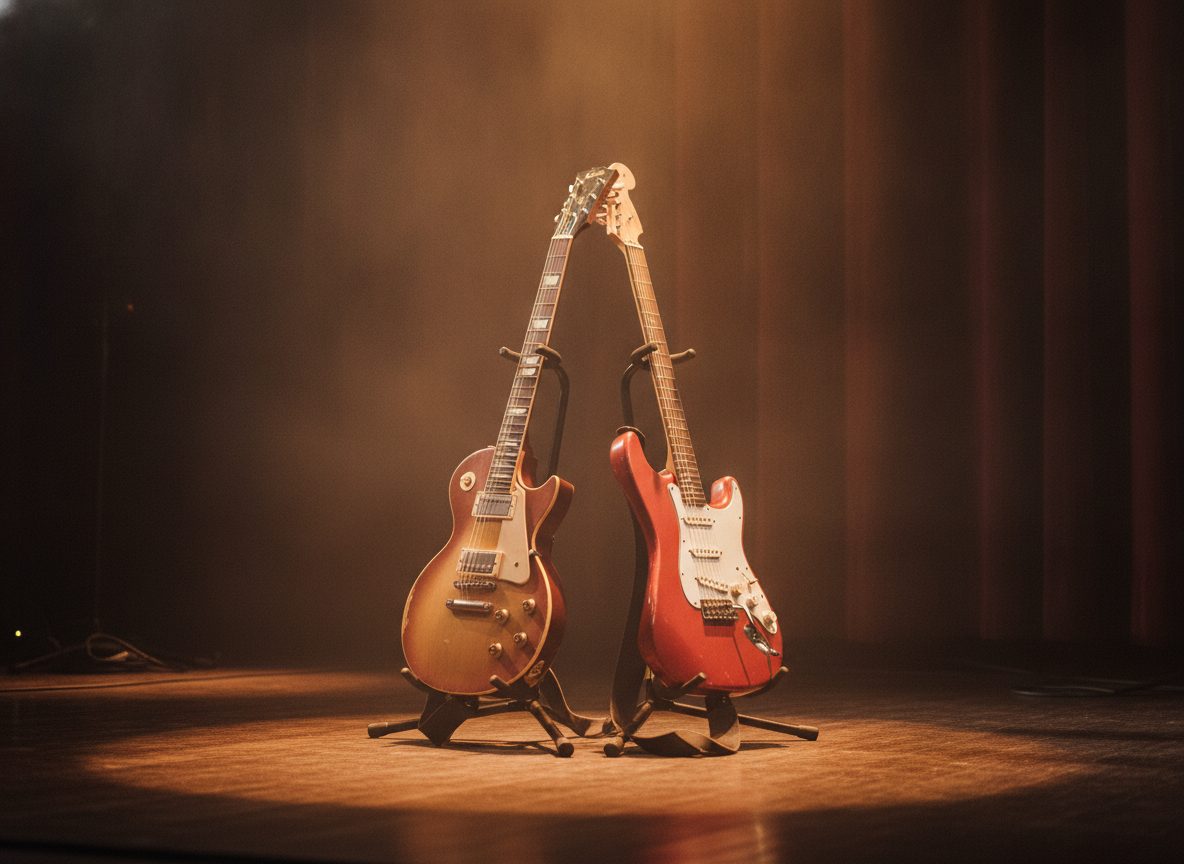
Two lead guitars, weaving and answering each other, the sound at the center of everything.
1969
Macon, Georgia
Guitarist Duane Allman, already a sought-after session player, gathered a band in Macon around his brother Gregg's voice and organ. The six-piece lineup, with two drummers and two guitarists, cut a raw, blues-drenched debut that laid out the whole idea.
1970
Finding the sound
On Idlewild South the band tightened its songwriting, and Dickey Betts contributed the instrumental "In Memory of Elizabeth Reed." The twin-guitar harmonies and jazz-tinged jams were now fully formed.
1971
The Fillmore East
The turning point. A run of shows at Bill Graham's Fillmore East in New York was recorded and released as At Fillmore East, a double live album that captured the band at its improvising peak and became a landmark of the form.
1971
Losing Duane
Months after Fillmore East, Duane Allman died in a motorcycle crash in Macon at twenty-four. His slide guitar and leadership had defined the band, and his loss was incalculable, yet the group chose to continue.
1972
Eat a Peach
The band finished Eat a Peach with and without Duane, mixing his final studio work and live Fillmore jams with new songs. It stands as both a tribute and a statement that the music would go on.
1972–1973
A second loss, then the peak of fame
Bassist Berry Oakley died in a motorcycle crash the next year, eerily close to where Duane had. Reeling, the band pushed on to Brothers and Sisters, whose hit "Ramblin' Man" and the instrumental "Jessica" made them one of the biggest acts in America.
1989–2014
Reunion and long farewell
After breakups and lineup changes through the seventies and eighties, the band reunited in 1989 and, with new players like Warren Haynes and Derek Trucks, became a beloved touring institution before a final show in 2014.
Four Songs, One Education
Start Here
The Allmans' catalog runs deep, and much of the best of it is live. These four songs are the fastest way to grasp the range, from radio hit to slow-burning blues to full-throttle jam. Watch in order.
01 · The Hit
"Ramblin' Man" (1973)
Dickey Betts's sunny, country-tinged singalong, the band's biggest single and the sound of Southern rock arriving on the radio. The bright twin-guitar coda is a perfect entry point.
02 · The Ballad
"Melissa" (1972)
A gentle Gregg Allman song from Eat a Peach, one of Duane's favorites and a tender counterweight to the band's fire. Proof they could whisper as well as roar.
03 · The Anthem
"Midnight Rider" (1970)
From Idlewild South, a lean, restless outlaw song that became one of the band's signatures and a much-covered classic. The distilled essence of the Allmans' road-worn romanticism.
04 · The Jam
"Whipping Post" (1969)
The band's towering showpiece, which on At Fillmore East stretched past twenty minutes of building, churning improvisation. Once this grabs you, the live records are waiting.
The Landmark Records
The Albums 5 to start with
The Allmans made their name on stage, but their studio and live records together map the whole story. These five are the pillars. The blue-topped cards are the best places to begin.
1969
The Allman Brothers Band
The debut. A raw, confident blues-rock statement, from "Whipping Post" to "Dreams," that introduced the twin-guitar, double-drummer lineup and the whole Southern rock idea in one shot.
The songwriting leap. Shorter, sharper songs like "Midnight Rider" and "Revival" sit beside the jazzy instrumental "In Memory of Elizabeth Reed," the band's craft catching up to its power.
The masterpiece and the perfect place to start. A double live album of long, telepathic jams, from "Statesboro Blues" to the epic "Whipping Post," widely counted among the greatest live records ever made.
Part tribute, part triumph. It weaves Duane's final studio takes and live Fillmore jams together with new songs like "Melissa" and "Blue Sky," an album made across the line of unimaginable loss.
The commercial peak. Lighter and more country, driven by Dickey Betts, it gave the band its biggest hit in "Ramblin' Man" and the beloved instrumental "Jessica," made in the shadow of a second loss.
Two YouTube Music setlists: a First Listen of the signature songs to bring you in, and a Deep Cuts set of the longer, jam-heavy pieces for when you want to sink in. (Ideally, though, hear these albums whole.) Hit the button on either card to play it.
The classic Allman Brothers Band was a true six-piece ensemble, an unusual double-lead, double-drummer lineup where every player was essential to the whole.
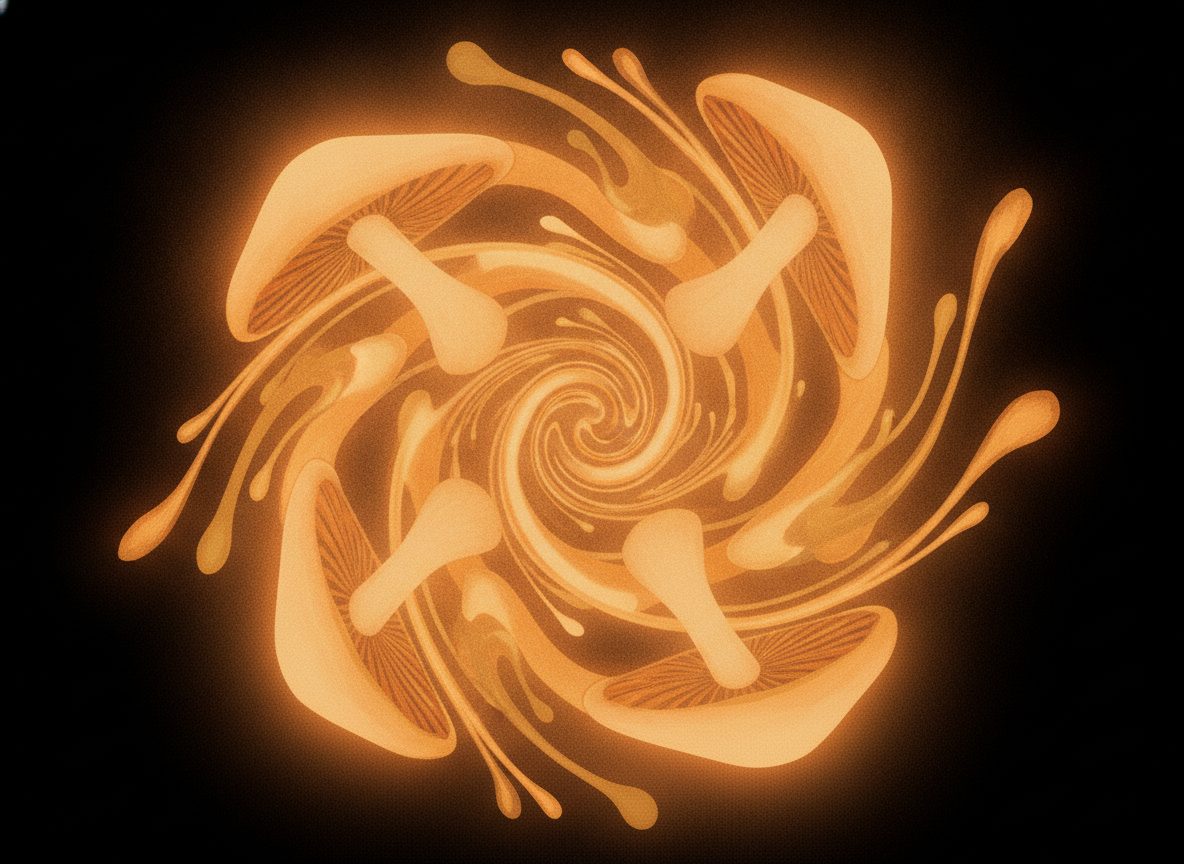
The mushroom motif of the band's early art, and the deep Georgia warmth of the music.
Duane AllmanSlide & lead guitarThe founder and driving force, a session prodigy whose singing slide guitar and improvising instinct defined the band before his death in 1971
Gregg AllmanOrgan / vocalsDuane's younger brother, the band's soulful, weathered voice and Hammond organ, and the writer of many of its enduring songs
Dickey BettsGuitar / vocalsThe second lead guitar, whose harmony lines answered Duane's and who later wrote the hits "Ramblin' Man" and "Jessica"
Berry OakleyBassA melodic, propulsive bassist who anchored the long jams, until his own motorcycle death in 1972 a year after Duane's
Butch TrucksDrumsOne half of the double-drummer engine, providing the steady, driving pulse beneath the improvisation
Jai Johanny "Jaimoe" JohansonDrumsThe other drummer, a jazz-schooled player whose loose, swinging feel gave the band its distinctive rolling groove
The Roots of the Sound
Influences
The Allmans built their music from electric Chicago blues, the improvisation of modern jazz, the phrasing of the great blues guitarists, and the communal jam spirit of their West Coast peers. Here is where it started.
Blues
Muddy Waters
The electric Chicago blues that formed the band's bedrock. Muddy's slide guitar and deep grooves ran straight into Duane's playing and the group's whole repertoire.
The modal, exploratory jazz of records like Kind of Blue shaped the band's approach to the long jam, teaching them to build tension and space over a single mood.
The phrasing, the vibrato, and the vocal quality of B.B. King's guitar were a template for the expressive, singing lead lines at the heart of the Allmans' sound.
The kindred West Coast spirit of the improvising, community-minded jam band. The two groups shared bills and a belief that a song was a starting point, not a script.
The surviving members have spoken warmly about the band's beginnings, the brotherhood at its core, and the losses they carried. Their reflections fill in the story behind the music.
Interview · AXS TV
Gregg Allman on Duane
Gregg reflects on his older brother Duane, the founder and leader of the band, and the bond and drive that set the whole thing in motion.
Once the landmark albums have you, the Allmans' world opens into decades of live recordings, archival sets, and the players who carried the music forward.
The complete Fillmore recordings. expanded editions like The 1971 Fillmore East Recordings gather the full run of shows, hours of the band at its improvising height.
The live legacy. from Wipe the Windows, Check the Oil, Dollar Gas through the long-running Instant Live and archival releases, the Allmans may be the most rewarding live band to explore in depth.
Duane Allman's session work. before and during the band, Duane played on classic records by Aretha Franklin, Wilson Pickett, and most famously Derek and the Dominos' Layla.
The later lineups. the reunited nineties and 2000s band, featuring guitarists Warren Haynes and Derek Trucks, kept the twin-guitar tradition roaring for another two decades.
The Way to Listen
Do yourself one favor: put on At Fillmore East from start to finish, loud, with no distractions. Let "You Don't Love Me" and "Whipping Post" stretch out and take you somewhere. Then go back to the studio records and hear where the songs came from.