How a Chicago bluesman with a rectangular guitar and a syncopated pulse borrowed from the streets and the church built a rhythm so contagious it seeded rock and roll and still turns up in records made a lifetime later.
The Short Version
Who Is He?
Bo Diddley (born Ellas McDaniel in McComb, Mississippi, in 1928, and raised on the South Side of Chicago) is one of the true architects of rock and roll. Signing to Chess Records' Checker label in 1955, he arrived fully formed with a sound nobody had heard before, a rolling, hypnotic, hambone-and-clave rhythm that would carry his name for the rest of time.
Two things make him singular. First, the beat: the "Bo Diddley beat," a five-accent African and Afro-Cuban pattern that became one of the foundational grooves of popular music. Second, the attitude: the homemade square guitar, the tremolo shimmer, the boasting and the humor, a swaggering showmanship that pointed straight at rock and roll and, decades on, at hip-hop.
He never sold records the way Chuck Berry or Elvis did, but his rhythm is everywhere, borrowed by Buddy Holly, the Rolling Stones, the Who, and countless others. To understand where rock and roll came from, you start here.
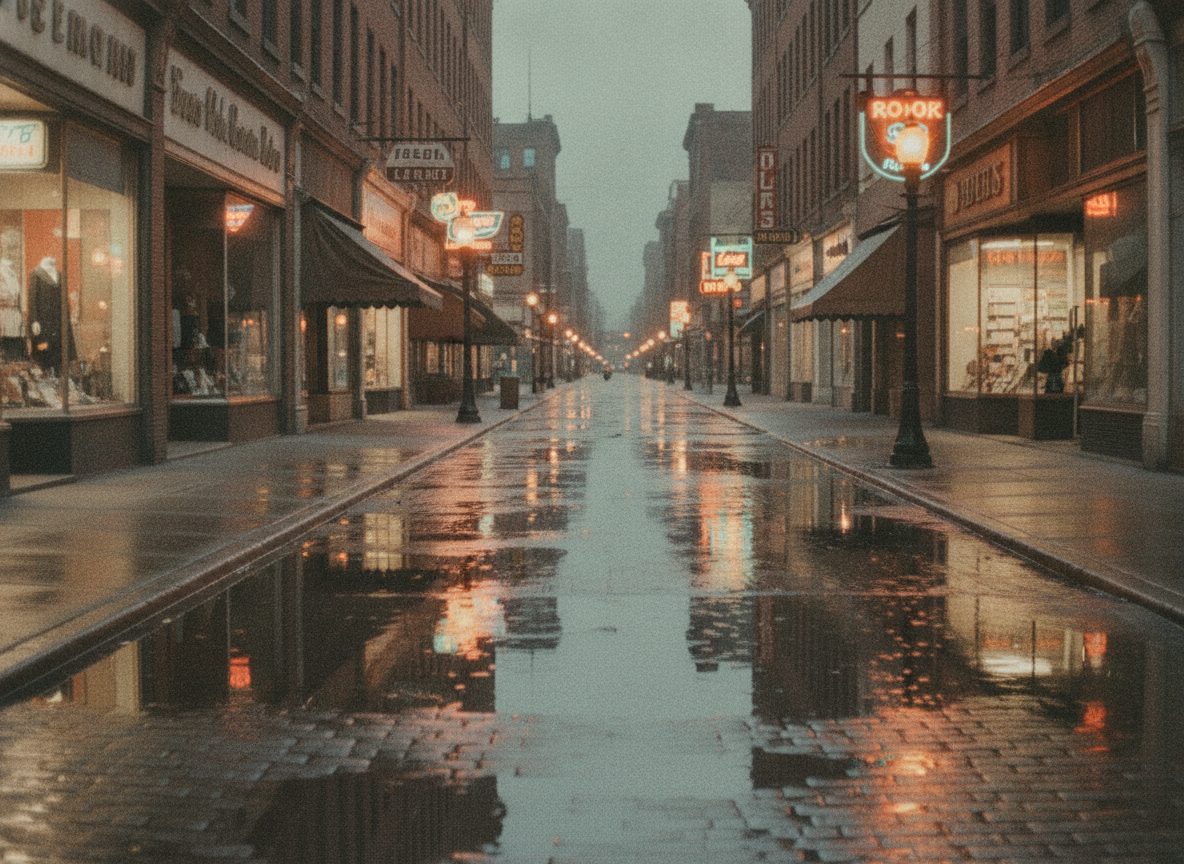
The Chicago South Side, where the blues went electric and a new rhythm was born.From a Chicago Street Corner to the Chess Studio
The Story
Bo Diddley's story runs through the great engine of postwar Black music, Chicago's Chess Records, where a self-taught guitarist turned a homemade rhythm into a cornerstone of rock and roll.
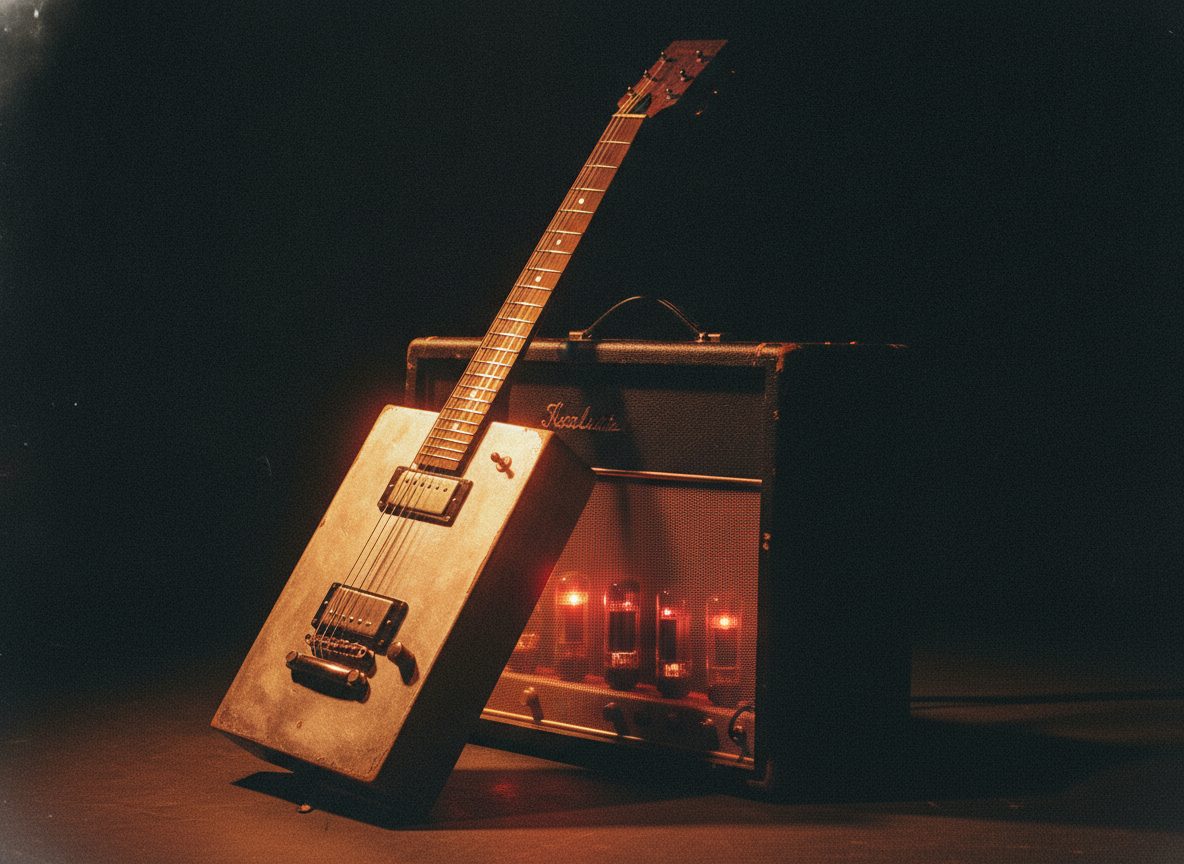
The custom rectangular guitar became his signature, as recognizable as the beat itself.
1928–1934
Mississippi to Chicago
Born Ellas Otha Bates in McComb, Mississippi, he was raised by a cousin, took the McDaniel name, and moved north to Chicago as a boy, where he studied violin before the guitar took hold.
Early 1950s
The street and the stage name
He played for change on Maxwell Street and in South Side clubs with a small combo, sharpening a percussive, rhythm-first style. The nickname "Bo Diddley" stuck, and the boxing-and-hambone swagger came with it.
1955
Checker Records
He walked into Chess and cut the double-sided debut "Bo Diddley" backed with "I'm a Man." The A-side unveiled the beat that carried his name; the record shot to the top of the R&B chart and made him a star.
1955
The Ed Sullivan flashpoint
A famous appearance on The Ed Sullivan Show ended in conflict when he played his own song instead of the requested number, a small act of defiance that became part of the legend.
1958–1963
The classic run
A string of albums and singles for Checker, from the self-titled debut through Go Bo Diddley and Bo Diddley Is a Gunslinger, built the catalog, powered by maracas man Jerome Green and the tremolo-drenched guitar.
1960s
The beat goes global
British and American bands seized the rhythm. Buddy Holly, the Rolling Stones, the Yardbirds, and the Who all built songs on the Bo Diddley beat, spreading his sound far beyond his own sales.
1987–2008
Elder statesman
Inducted into the Rock and Roll Hall of Fame in 1987, he toured and recorded into his final years, hailed everywhere as an originator until his death in 2008.
Four Songs, One Education
Start Here
The catalog is deep, but the essence is immediate. These four performances are the fastest way to feel the beat, the swagger, and the guitar. Watch in order.
01 · The Landmark
"Bo Diddley" (1955)
The song that named the beat, performed on national television in the very year it was released. One listen and the rhythm is in your bones for good. The essential starting point.
02 · The Boast
"Who Do You Love?" (1956)
A tall-tale swagger built on tremolo guitar and tribal drums, all cobra snakes and tombstone hands. The template for a thousand garage and blues-rock bands that followed.
03 · The Rave-Up
"Road Runner" (1960)
A revved-up, horn-honking chase of a song, all forward motion and attitude. Proof that the groove could gun the engine as well as it could hypnotize.
04 · The Studio Take
"Bo Diddley" (Studio, 1955)
The original Checker recording, maracas rattling and guitar shimmering. Hear the beat in its purest form, exactly as it first hit the record-buying public.
The Landmark Records
The Albums 6 to start with
Bo Diddley's catalog is a run of lean, rhythmic Checker albums from the late fifties and early sixties, plus the deep career-spanning collections. These six are the pillars. The blue-topped card is the best place to begin.
1958
Bo Diddley
The debut album, gathering the early Checker singles. "Bo Diddley," "I'm a Man," "Who Do You Love?," and "Pretty Thing" arrive in a rush, the sound of a new rhythm entering the world.
The second album and a perfect starting point, deepening the groove with "Crackin' Up," "Say Man," and "I'm Sorry." The playful spoken sparring with Jerome Green is a highlight all its own.
A tight, rollicking set that shows the sound settling into its stride, road-ready and full of swagger, with the guitar tremolo shimmering over that unmistakable pulse.
Home to "Road Runner," one of his hardest-driving numbers, this album leans into momentum and attitude, the sound of an artist confident in exactly what he does best.
A themed romp of six-guns and bravado, packed with the boasting persona at full tilt. Pure Bo Diddley theater, riding that beat straight into the mythology of the American West.
The definitive career overview, gathering the singles and key album tracks in one place. If you want the whole story in a single set, this is the one to reach for.
Two YouTube Music setlists: a First Listen of the signature songs to pull you in, and a Deep Cuts set of the grooves and sparring pieces for when you want to sink deeper. (Ideally, though, hear these albums whole.) Hit the button on either card to play it.
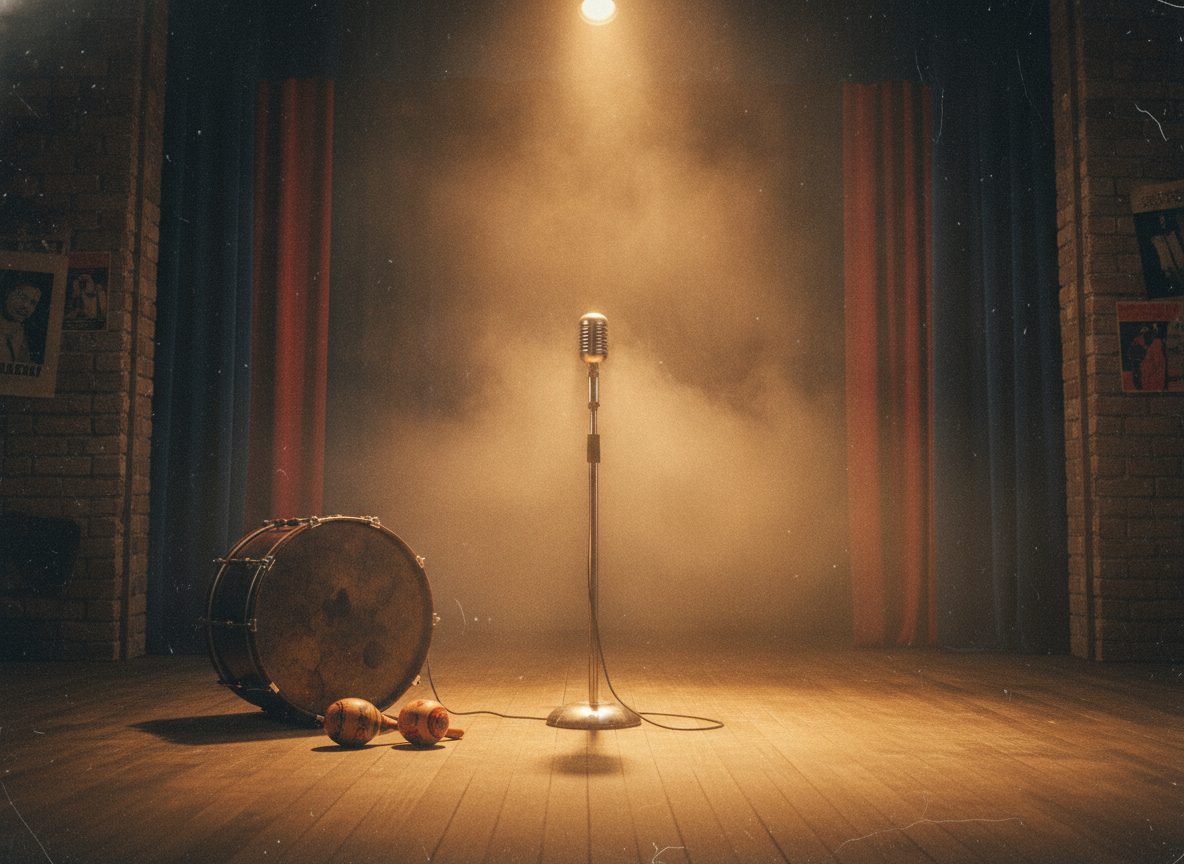
Bo Diddley led from the front, but his records were a collective sound, driven by the rattle of maracas, a hard backbeat, and the Chess studio around him.
The groove was a team effort: guitar, maracas, and a relentless backbeat.
Jerome GreenMaracas / vocalsThe rhythmic heartbeat beside Bo, his rattling maracas defined the sound and his spoken sparring drove the call-and-response of "Say Man"
The DuchessRhythm guitarNorma-Jean Wofford, the striking second guitarist who toured and recorded with Bo through the early sixties, a rare woman fronting a rock and roll stage
Frank KirklandDrumsThe drummer on many of the classic Checker sides, locking in the hard, insistent backbeat that anchored the Bo Diddley beat
Chess / Checker RecordsLabel & studioLeonard and Phil Chess released his records on the Checker subsidiary, and the Chess studio and house players shaped the sound of postwar Chicago
Willie DixonBass / songwriterThe Chess bassist and in-house songwriter who played on countless label sessions, part of the studio ecosystem behind the records
The Roots of the Sound
Influences
The Bo Diddley beat was built from deep sources: the electric Chicago blues around him, the jumping rhythm and blues that preceded rock and roll, and the Afro-Cuban and gospel pulses that shaped his hambone groove. Here is where it started.
Chicago Blues
Muddy Waters
The king of the Chess roster and the towering figure of electric Chicago blues, the sound Bo grew up inside. "I'm a Man" answers directly back to Muddy's "Hoochie Coochie Man."
The hypnotic, one-chord boogie and foot-stomping drive of Hooker shared the same rhythm-first DNA, the groove valued above all else, that runs through Bo's best records.
The jukebox king whose witty, swinging jump blues bridged big-band swing and rock and roll, modeling the humor, the showmanship, and the dance-floor punch Bo carried forward.
The Afro-Cuban clave, the five-stroke pattern at the heart of the Bo Diddley beat, came from this world of Latin rhythm. Machito's mambo and jazz orchestra carried that pulse into American ears.
Bo Diddley spoke plainly and proudly about being an originator, and about feeling underpaid and under-credited for a beat that shaped an industry. His interviews are candid and often bracing.
Interview · Archive
Bo Diddley, In Conversation
Across decades of television and radio appearances, Bo talked about inventing the beat, the square guitar, and the money he never saw.
Interview · Performance
The Filmed Performances
From the 1955 Ed Sullivan Show flashpoint to later festival and television sets, the filmed record captures the beat, the guitar, and the showmanship in full. Search YouTube for clips and conversations.
Once the beat has you, Bo Diddley's world opens into the whole architecture of early rock and roll and the many musicians who carried his rhythm forward.
The Chess Masters series. the I'm a Man, Road Runner, and Ride On collections gather the Checker recordings year by year, the deepest dive into the original sessions.
Two Great Guitars. the 1964 summit with Chuck Berry, two Chess titans trading licks, a fascinating snapshot of the label's guitar heroes side by side.
The beat's descendants. trace the rhythm through Buddy Holly's "Not Fade Away," which The Rolling Stones turned into their first hit, and onward through the Who, U2, and beyond.
The showman's legacy. the boasting, the humor, and the self-mythology point straight ahead to The Doors and the whole tradition of swaggering rock and roll frontmen.
The Way to Listen
Do yourself one favor: put on Go Bo Diddley from start to finish, then The Chess Box. Let the beat work on you. Bo Diddley is a rhythm as much as a songwriter, and the groove is the whole point.