Blues • Rock & Roll • The Greatest Rock Band on Earth
How five English kids obsessed with American blues turned Chicago and Delta records into a swaggering, dangerous, decades-spanning rock and roll machine, and made the loudest argument in music that attitude is a sound.
The Short Version
Who Are They?
The Rolling Stones are an English rock band formed in London in 1962. Built around the songwriting partnership of singer Mick Jagger and guitarist Keith Richards, with guitarist Brian Jones, drummer Charlie Watts, and bassist Bill Wyman, they started as a blues covers band and became the most enduring act in rock history.
Two things make them singular. First, the feel: where their rivals chased polish, the Stones chased groove and grit, a loose, swinging, blues-rooted swagger that no other band has ever quite copied. Second, the attitude: cast early as the dangerous alternative to the Beatles, they built rock's template for rebellion, and then outlasted almost everyone who followed them.
Across sixty years they wrote some of the most famous songs ever recorded, "Satisfaction," "Gimme Shelter," "Paint It, Black," "Sympathy for the Devil," and their late-sixties into early-seventies run is one of the great hot streaks in popular music. They were inducted into the Rock and Roll Hall of Fame in 1989.
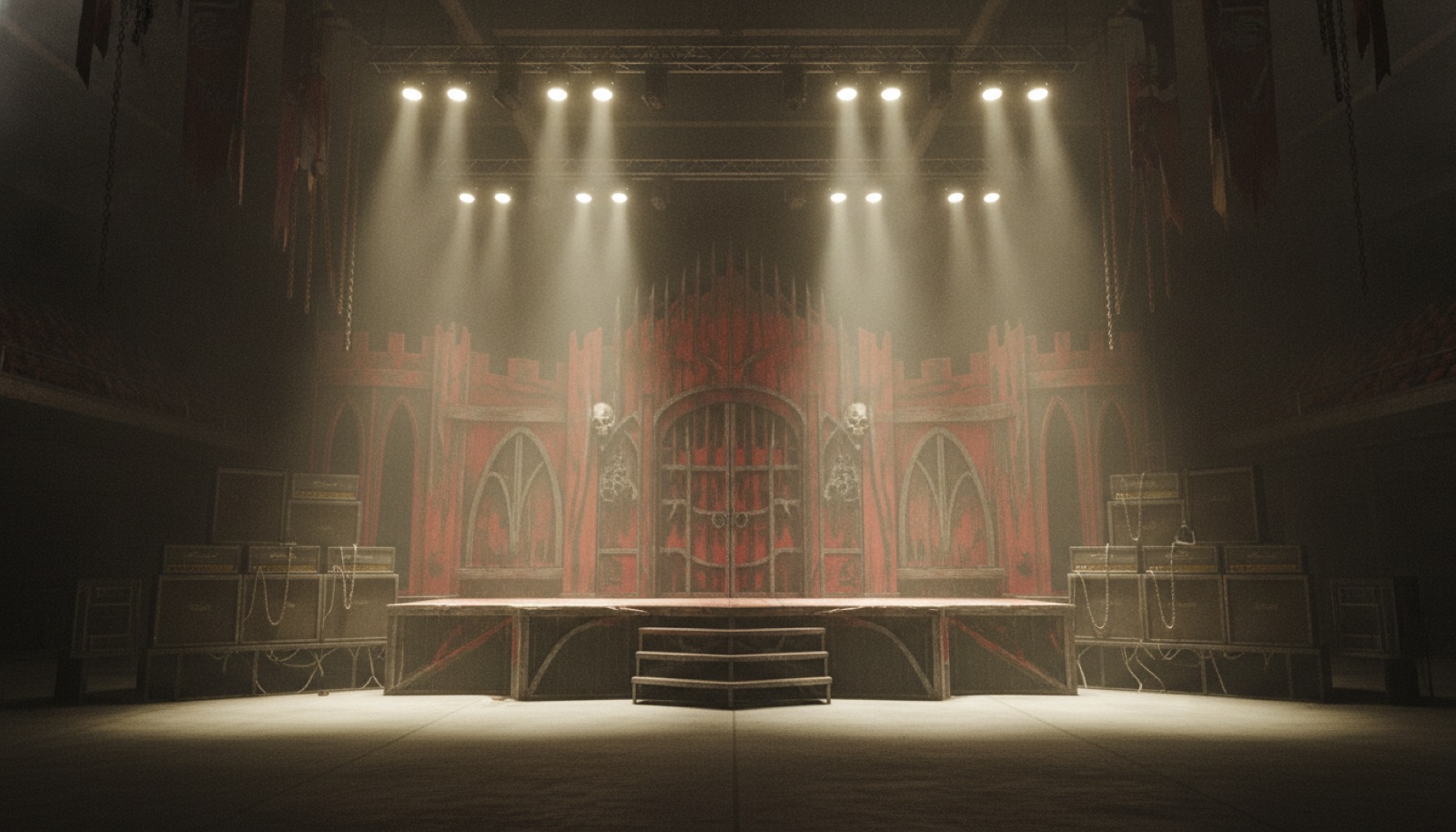
Loud, hot, and unmistakable, the swagger made visible.From Blues Covers to Hackney Diamonds
The Story
Their history is the story of rock and roll itself: blues obsession, sudden fame, tragedy, tax exile, and a refusal to ever really stop.
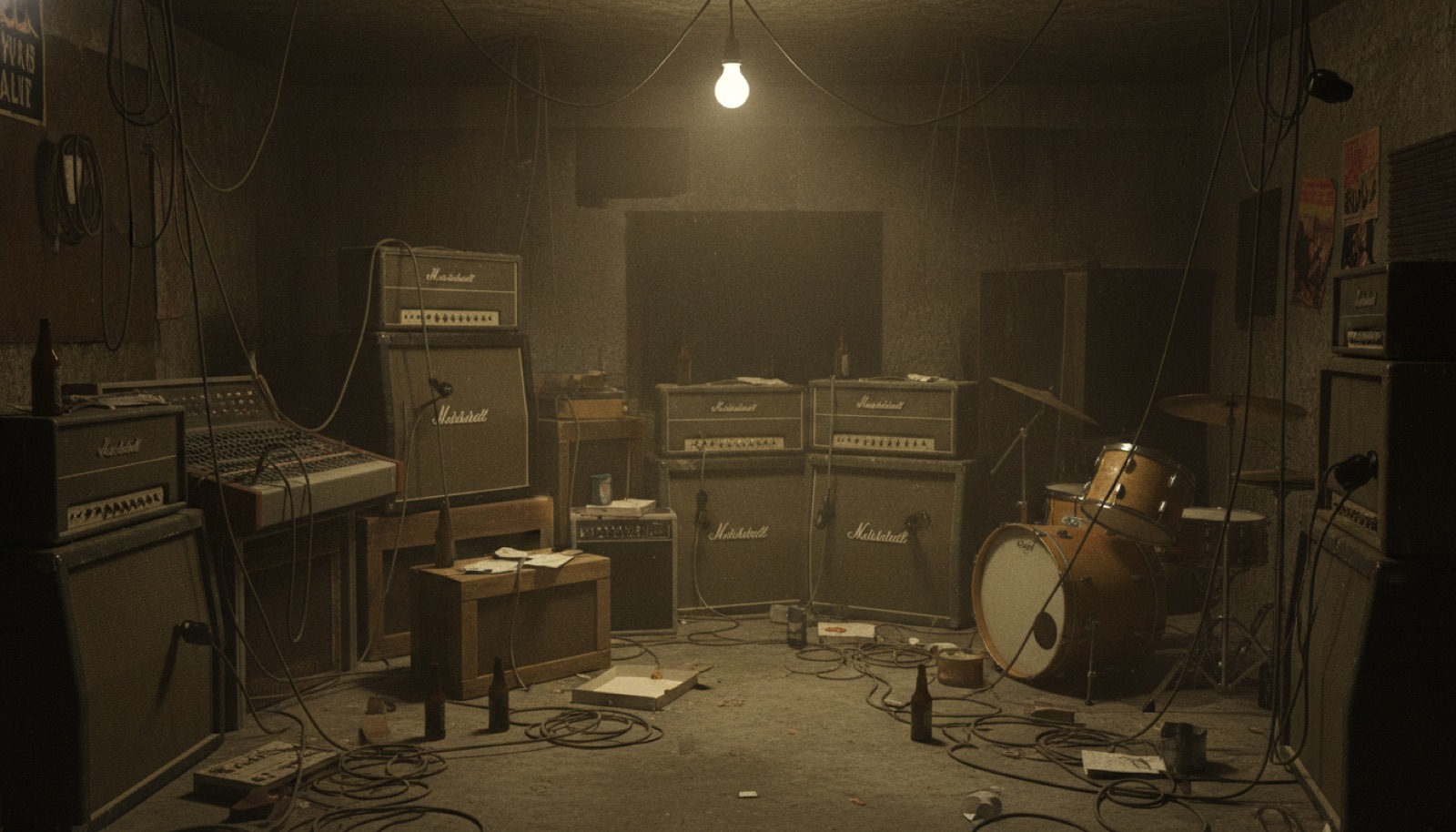
The sweaty French basement feel of the Exile on Main St. era.
1962
A blues band named after a Muddy Waters song
Mick Jagger, Keith Richards, and Brian Jones formed the band in London, obsessed with Chicago blues and Chess Records. Jones named them after the Muddy Waters song "Rollin' Stone." Bill Wyman and Charlie Watts completed the classic lineup by early 1963.
1963–64
The anti-Beatles
Manager Andrew Loog Oldham marketed them as the scruffy, dangerous opposite of the Beatles. Early records were mostly blues and R&B covers, but Jagger and Richards were pushed to start writing their own songs.
1965
(I Can't Get No) Satisfaction
Keith Richards' fuzzed-out riff, dreamed up half-asleep in a hotel, became a worldwide number one and the sound of a generation's frustration. It turned the Stones from a hot British act into global superstars.
1967
Drug busts and a psychedelic detour
High-profile drug arrests cemented their outlaw image. Chasing the era's trends, they made the uneven psychedelic album Their Satanic Majesties Request, then quickly decided the costume didn't fit.
1968
Back to the roots with Beggars Banquet
With producer Jimmy Miller, they returned to blues, country, and raw rock and roll on Beggars Banquet, home to "Sympathy for the Devil" and "Street Fighting Man." The imperial run had begun.
1969
Brian Jones dies, and Altamont
The troubled Brian Jones was pushed out and died weeks later; guitarist Mick Taylor joined. Let It Bleed arrived, but a free concert at Altamont ended in a fan's death, a grim symbolic close to the sixties.
1971–72
Sticky Fingers, tax exile, and Exile
Fleeing British taxes, the band decamped to the South of France, where they cut the sprawling double album Exile on Main St. in a rented villa's basement. Bracketed by Sticky Fingers, this is their creative peak.
1975–78
Ronnie Wood joins, and Some Girls
Mick Taylor left and Ronnie Wood arrived, completing the lineup that would last for decades. Faced with punk and disco, the band answered with the lean, vital Some Girls (1978) and the hit "Miss You."
1981–89
Stadiums, solo feuds, and a truce
Tattoo You (1981) and "Start Me Up" powered record-breaking stadium tours. Then Jagger and Richards spent the mid-eighties at war over solo careers, before reuniting for Steel Wheels (1989) and its blockbuster tour.
1993–2023
The long farewell that never comes
Bill Wyman left in 1993, and the band toured relentlessly for decades as elder statesmen of rock. Charlie Watts died in 2021, but in 2023 the Stones released Hackney Diamonds, their first album of new songs in eighteen years.
Four Songs, One Education
Start Here
The Stones catalog is enormous, but these four songs are the fastest way to understand the swagger, the menace, and the groove. Watch in order.
01 · The Riff
"(I Can't Get No) Satisfaction" — 1965
The song that made them: Keith Richards' three-note fuzz riff and Mick Jagger's snarl of frustration, one of the most famous hooks in all of rock and roll. Start here and everything else makes sense.
02 · The Dark Side
"Paint It, Black" — 1966
Brian Jones' sitar drives this hypnotic, grief-stricken number one, the first sign of how strange and heavy the band could get. Proof they were never just a singles act.
03 · The Comeback
"Jumpin' Jack Flash" — 1968
After the psychedelic detour, this snarling single announced the band's return to raw rock and roll and the start of their greatest era. One of the definitive Stones riffs.
04 · The Masterpiece
"Gimme Shelter" — 1969
The apocalyptic opener of Let It Bleed, with Merry Clayton's soaring, cracking vocal, is many fans' pick for the greatest Stones song ever. If one track makes you a lifer, it's this.
The Essential Run
The Albums 6 to start with
The Stones made great singles for sixty years, but from 1968 to 1972 they made four albums that stand with the best in rock. Start with the red-topped card, then live inside all four.
1966
Aftermath
The first Stones album written entirely by Jagger and Richards, from the sneering menace of "Paint It Black" to the sprawling "Goin' Home." The moment they became a great songwriting band.
The comeback to their roots: acoustic blues, country, and menace. "Sympathy for the Devil," "Street Fighting Man," and "No Expectations." Where the imperial run begins.
The obvious starting point: dark, gospel-tinged, and towering. It opens with "Gimme Shelter" and closes with "You Can't Always Get What You Want." If you own one Stones record, own this.
Sleek, druggy, and perfect: the first album on their own label, with the Andy Warhol zipper cover. "Brown Sugar," "Wild Horses," and the epic "Can't You Hear Me Knocking."
The sprawling, murky double album cut in a French villa basement. Dense and exhausting at first, then inexhaustible: many critics' pick for the greatest rock album ever made. "Tumbling Dice," "Rocks Off."
Two YouTube Music playlists: a First Listen of the signature songs to bring you in, and a Deep Cuts set of the album tracks the fans obsess over. (Ideally, though, hear these albums whole.) Hit the button on either card to play it.
The Stones are really the story of a few key figures: the writing partnership at the core, the founder they lost, the drummer who held it together, and the guitarists who came and went.
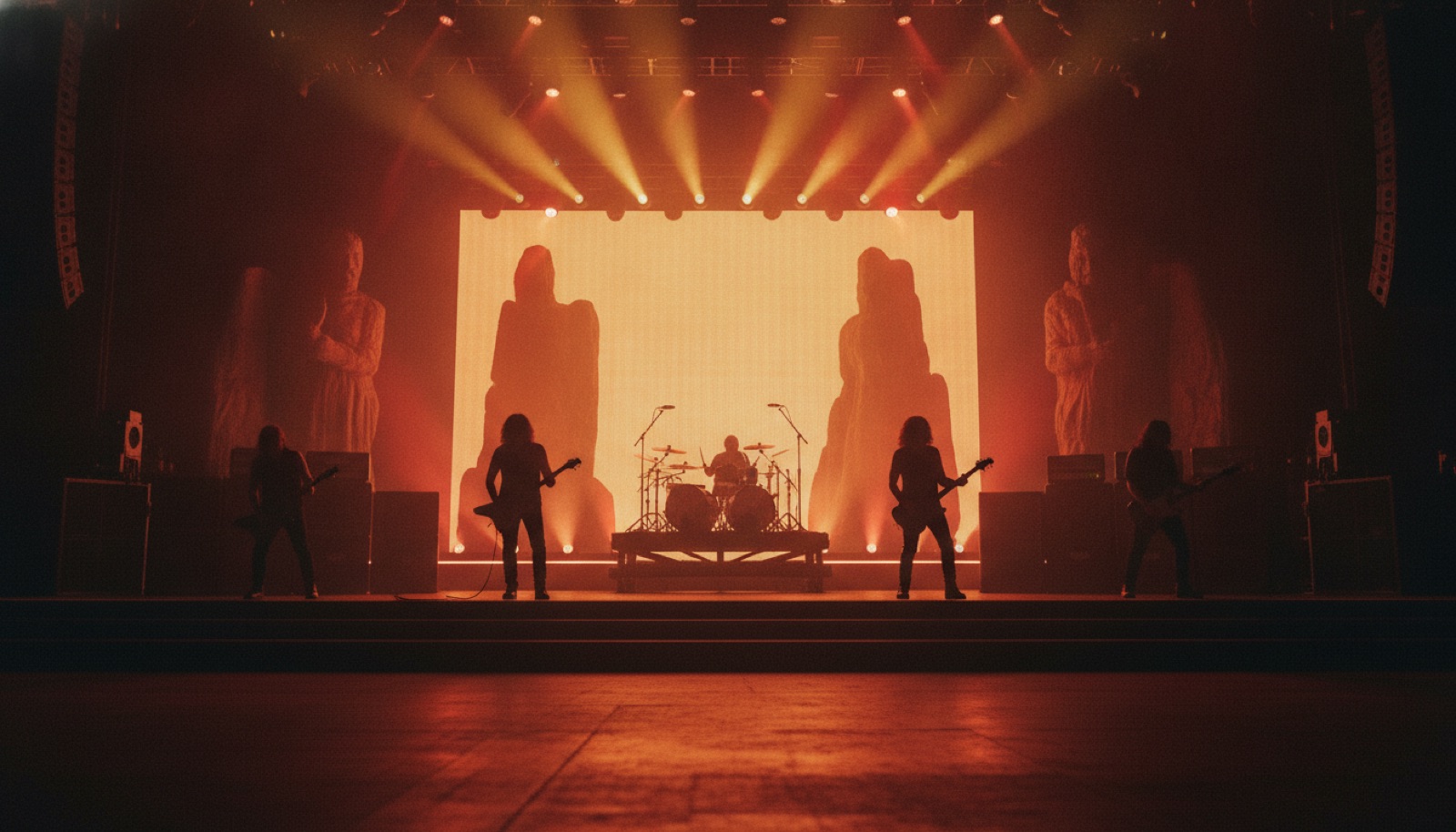
The lineup that has toured the world for decades.
Mick JaggerVocalsThe frontman and co-writer; the strut, the voice, and the business brain that kept the band a global force for sixty years
Keith RichardsGuitarThe riff machine and soul of the band; his loose, open-tuned rhythm playing is the Stones' actual sound
Brian JonesFounder, 1962–69The multi-instrumentalist who started the band and added color from sitar to slide; pushed out and dead at 27 (d. 1969)
Charlie WattsDrumsThe jazz-loving, unshowy drummer whose swing gave the band its groove; the steady center for nearly sixty years (d. 2021)
Bill WymanBass, 1962–93The quiet, inventive bassist of the classic era, anchoring the imperial run before leaving the band in 1993
Mick TaylorGuitar, 1969–74The virtuoso lead guitarist whose fluid playing defined the peak run from Let It Bleed through Exile
Ronnie WoodGuitar, 1975–Keith's foil since 1975; the interweaving two-guitar "ancient art of weaving" that powers the modern band
The Roots of the Sound
Influences
Before they wrote a note of their own, the Stones were a blues covers band, evangelists for the American music that barely got played on English radio. Here is where it all came from.
Chicago Blues
Muddy Waters
The man who gave them their name. His electric Chicago blues was the band's founding religion, and they later recorded at his label, Chess.
The two poles of the band, Keith's raw devotion to the music and Mick's sharp, restless drive, come through clearly in conversation. One of each.
Interview · Old Grey Whistle Test
Keith Richards, 1974
A young Keith Richards on the BBC's Old Grey Whistle Test, days before It's Only Rock 'n' Roll, talking about the band, the music, and life on the road in the thick of their imperial era.
Mick Jagger talks to CBC's Tom Power about making Hackney Diamonds, the band's first record of new songs in eighteen years, writing with Keith, and carrying on after Charlie Watts.
Once the essential run has you, the Stones' world is vast: sixty years of records, films, and lore.
The films — Gimme Shelter (1970), the harrowing documentary of the Altamont concert, and Shine a Light (2008), Martin Scorsese's concert film. Both show the band at very different moments.
The rest of the catalog — after the four-album peak, keep going: Some Girls (1978), Tattoo You (1981), and the raw covers album Blue & Lonesome (2016), which returns them to their blues roots.
The comeback — Hackney Diamonds (2023) proved they could still make a vital record in their eighties, with one of Charlie Watts' final recorded performances.
The reading — Keith Richards' memoir Life is one of the great rock autobiographies, funny and unflinching on the music, the drugs, and the decades with Mick.
The Way to Listen
Do yourself one favour: play Let It Bleed front to back, then Sticky Fingers, then give Exile on Main St. three full listens before you judge it. The murk that puts people off at first is exactly what fans spend a lifetime loving.