How a giant of a man from the Mississippi Delta carried a howling, unearthly voice north to Chicago, plugged it into the electric blues of Chess Records, and became one of the most towering presences in American music.
The Short Version
Who Was He?
Howlin' Wolf (born Chester Arthur Burnett in White Station, Mississippi, in 1910) was one of the defining voices of the electric blues. Nearly six and a half feet tall and close to three hundred pounds, he commanded a stage with a raw, gravelly howl that could shift from a whisper to a roar, a sound that has never been matched or repeated.
Two things make him singular. First, that voice: a force of nature drawn from the field hollers of the Delta, ragged and thrilling and utterly his own. Second, the songs: with the guitarist Hubert Sumlin at his side and the writer Willie Dixon supplying material, he cut a run of Chess Records singles that became foundational texts for rock and roll.
His records were studied and covered by the bands that followed, from the Rolling Stones to Led Zeppelin. To understand where electric blues, and much of rock, comes from, you start here.
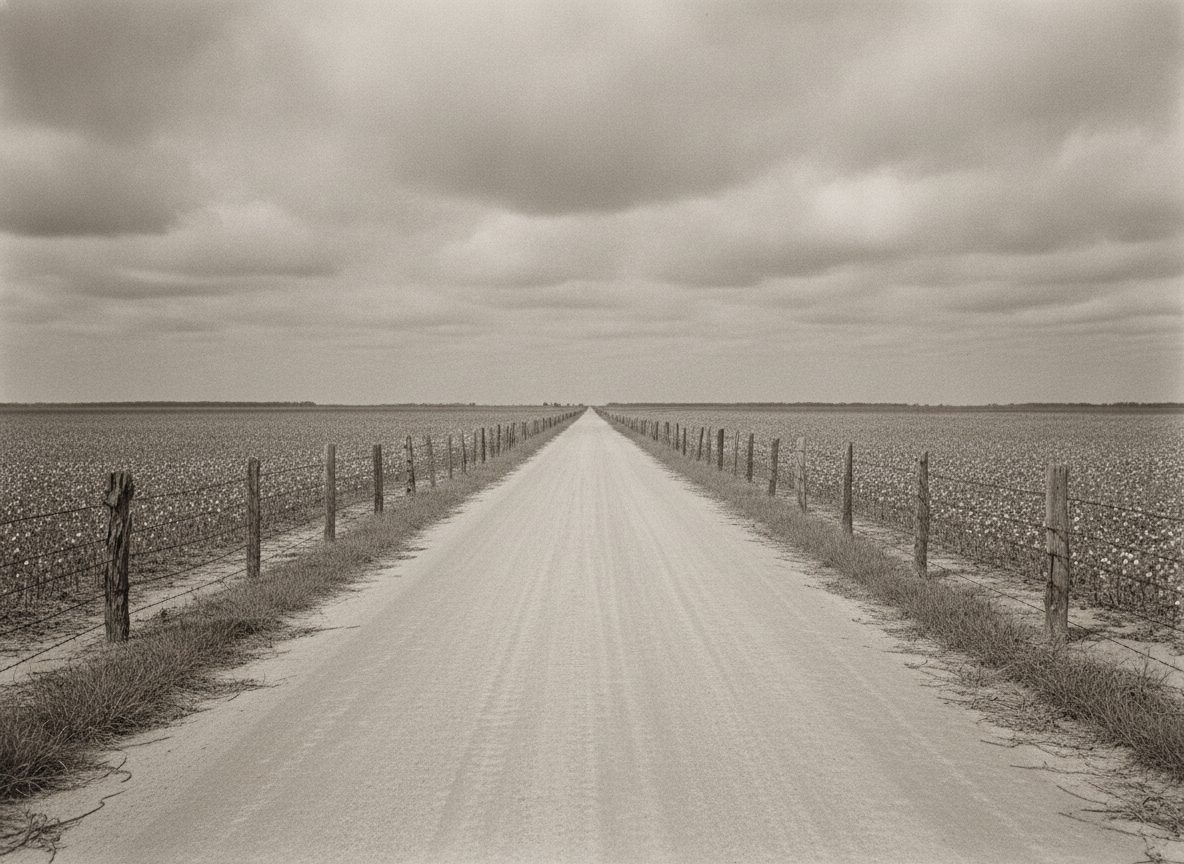
The Mississippi Delta, the flat country where the Wolf's voice was formed.From a Delta Plantation to the South Side of Chicago
The Story
Wolf's life ran the great migration of the blues in a single arc: born on a Mississippi plantation, seasoned in the juke joints and radio stations of Memphis, and finally transformed into a star by the electric current of postwar Chicago.
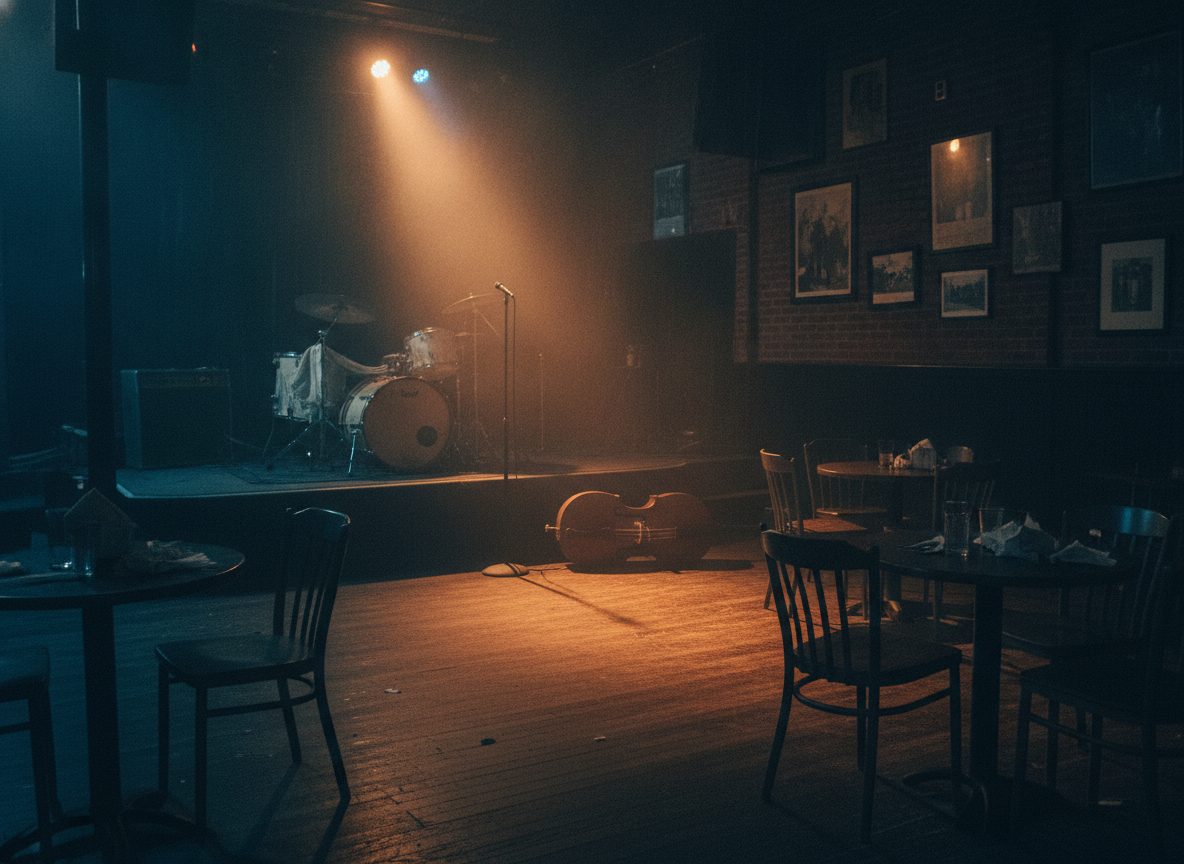
The smoky South Side clubs where the electric blues came alive.
1910s–1930s
Delta beginnings
Raised on a plantation near West Point, Mississippi, young Chester Burnett learned at the feet of the founding Delta bluesmen, taking his guitar cues from Charley Patton and his eerie yodel from the country star Jimmie Rodgers.
1948–1951
Memphis and the radio
Settling near Memphis, Wolf formed his first electric band and broadcast over the airwaves, drawing crowds and the attention of the young producer Sam Phillips, who cut his earliest sides.
1951–1952
The first hits
Sides like "Moanin' at Midnight" and "How Many More Years" became regional hits, so successful that two labels fought over him. Chess Records won, and Wolf headed north.
1953–1954
Chicago and Chess
Wolf moved to Chicago and joined the Chess roster, where his fierce presence set up a legendary rivalry with the label's other king, Muddy Waters. He soon found his greatest musical partner in the guitarist Hubert Sumlin.
1956–1964
The golden run
With Willie Dixon writing and Sumlin playing, Wolf cut the immortal singles: "Smokestack Lightnin'," "Spoonful," "The Red Rooster," "Back Door Man," and "Killing Floor," the core of his legend.
1965–1971
The rock world discovers him
Young British and American bands built their sets from his catalog. He toured Europe, and in 1971 recorded an album in London with Eric Clapton and members of the Rolling Stones and the Beatles' orbit.
1976
The end of the road
Slowed by failing health, Wolf played his final shows and died in early 1976. He was inducted into the Rock and Roll Hall of Fame in 1991, his influence only growing with time.
Four Songs, One Education
Start Here
Wolf's greatness lives in the singles. These four are the fastest way to feel the pull of that voice and the swing of the Chess band. Play them loud, and in order.
01 · The Signature
"Smokestack Lightnin'" (1956)
A single hypnotic riff, a wailing harmonica, and that unforgettable howl riding over the top. The definitive Wolf recording and the doorway into everything else.
02 · The Dixon Classic
"Spoonful" (1960)
A Willie Dixon song built on a coiled, insistent groove. Later a psychedelic showpiece for Cream, but the original is leaner, hungrier, and all Wolf.
03 · The Slow Burn
"The Red Rooster" (1961)
A slow, slinking slide blues that the Rolling Stones would take to number one in Britain. Here it is at the source, spare and menacing.
04 · The Riff
"Killing Floor" (1964)
A bright, driving Sumlin guitar figure that echoes straight through Led Zeppelin and a hundred rock bands. Proof of how modern this music still sounds.
The Landmark Records
The Albums 4 to start with
Wolf was a singles artist first, but these four records gather the essential work. The blue-topped card is the best place to begin.
1959
Moanin' in the Moonlight
His first album, a collection of the early Chess and Memphis singles. It holds "Smokestack Lightnin'," "Moanin' at Midnight," and "How Many More Years," the raw foundation of the legend.
Known to fans as "the rocking chair album" for its cover art, and one of the greatest blues records ever made. "The Red Rooster," "Spoonful," "Back Door Man," and "Wang Dang Doodle" in one place.
A summit meeting with his young admirers, cut in London with Eric Clapton, Steve Winwood, and members of the Rolling Stones. Loose, warm, and a fascinating bridge between blues and rock.
The deep, definitive collection. Three discs that sweep across the whole Chess career, the single best way to hear the full arc of the catalog in one sitting.
Two YouTube Music setlists: a First Listen of the signature sides to bring you in, and a Deep Cuts set of the slower burners and later gems for when you want to sink in. Hit the button on either card to search and play.
Wolf was the towering front man, but his greatest sides were built by a small circle of players, writers, and producers who framed that voice and gave it songs to howl.
One voice, one microphone, and the players who made it roar.
Hubert SumlinLead guitarThe angular, unpredictable guitar voice on nearly every classic Wolf side, and one of the most influential and inventive players in blues history
Willie DixonSongwriter / bassThe Chess house writer and bassist who supplied "Spoonful," "The Red Rooster," "Back Door Man," and "Wang Dang Doodle," shaping Wolf's peak catalog
Chess RecordsLabelThe Chicago label run by Leonard and Phil Chess that recorded Wolf's defining work and made the city the capital of electric blues
Sam PhillipsEarly producerCut Wolf's earliest Memphis sides at his Sun studio and called recording that voice one of the great thrills of his career
Willie JohnsonEarly guitarThe distorted, aggressive guitar behind the raw Memphis recordings, an early hint of the sound rock would later chase
The Roots of the Sound
Influences
Wolf built his art from the deep well of the Mississippi Delta and the country radio of his youth: raw slide blues, spectral field hollers, and one white star's blue yodel. Here is where it started.
Delta Blues
Charley Patton
The founding father of the Delta blues and Wolf's direct mentor. Wolf learned guitar and showmanship from Patton on the plantations of the Delta.
A fierce Delta preacher-turned-bluesman whose slashing slide and thundering intensity ran parallel to Wolf's, part of the same raw Mississippi tradition.
Wolf was warm, funny, and fiercely proud of the blues. The surviving footage of him talking and performing is a rare window into a man who lived the whole history of the music.
Interview · 1966
Howlin' Wolf Talks About the Blues
A candid television moment in which Wolf explains where the blues comes from, in his own plainspoken words. A rare chance to hear the man behind the howl.
Documentary · Portrait
The Howlin' Wolf Story
A feature-length portrait of Wolf's life and music, stitched from rare performance footage and interviews with the people who knew and played with him.
Once the classic singles have you, Wolf's world opens onto his great Chess rivalry, his reach into rock, and the players who carried his sound forward.
The Muddy Waters rivalry. Wolf and Muddy Waters were the twin kings of Chess, pushing each other to greater heights. Hear them back to back to understand the whole Chicago blues story.
The rock inheritance. The Rolling Stones, Led Zeppelin, The Doors, and Eric Clapton all built early sets from Wolf's catalog. Tracing his songs into their records is its own education.
The Hubert Sumlin thread. Follow Sumlin's guitar across the Chess years and you hear one of the most inventive players in the music, a direct line to modern rock lead guitar.
The live and archival sets. Festival films from the 1960s and the London sessions capture Wolf in his final decade, still commanding every room he walked into.
The Way to Listen
Do yourself one favor: put on the 1962 rocking chair album from start to finish, then Moanin' in the Moonlight. Turn it up. This is music built on feel and force, and it rewards volume and full attention.