How a small, restless man from a Mississippi cotton plantation forged the founding voice of the Delta blues, cutting a handful of ferocious records that taught nearly everyone who followed how the music was supposed to feel.
The Short Version
Who Was He?
Charley Patton (born in Mississippi around 1891, died in 1934) is widely called the father of the Delta blues. Long before the music reached Chicago amplifiers or a global audience, he was already playing it on the porches, jukes, and plantation grounds of the Mississippi Delta, and his few recorded sides became the wellspring the whole tradition flows from.
Two things make him singular. First, the voice and the beat: a rough, roaring holler set against a hard, percussive guitar that he slapped, thumped, and drove like a rhythm section unto itself. Second, the reach: through the community around Dockery Plantation he shaped Son House, Willie Brown, and a young Howlin' Wolf, and through them Robert Johnson, Muddy Waters, and the electric blues that became rock and roll.
He recorded for only about five years, from 1929 until his death, yet those sides are the bedrock. To understand where American blues begins, you start here.
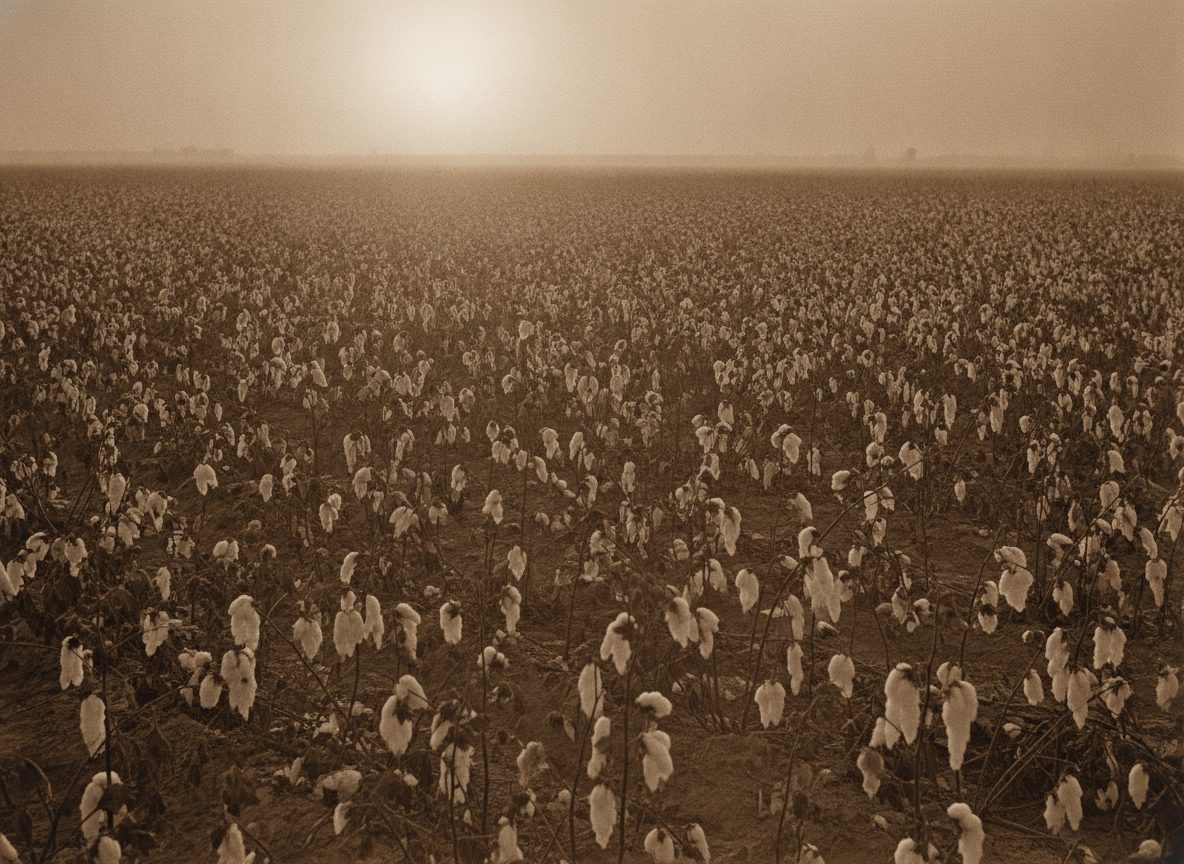
The Mississippi Delta cotton country, the ground the blues grew from.From Dockery Plantation to Paramount Records
The Story
Patton's life is thinly documented and heavily mythologized, but its center is clear: a working plantation, a tight circle of musicians, and a brief burst of recordings that changed everything.
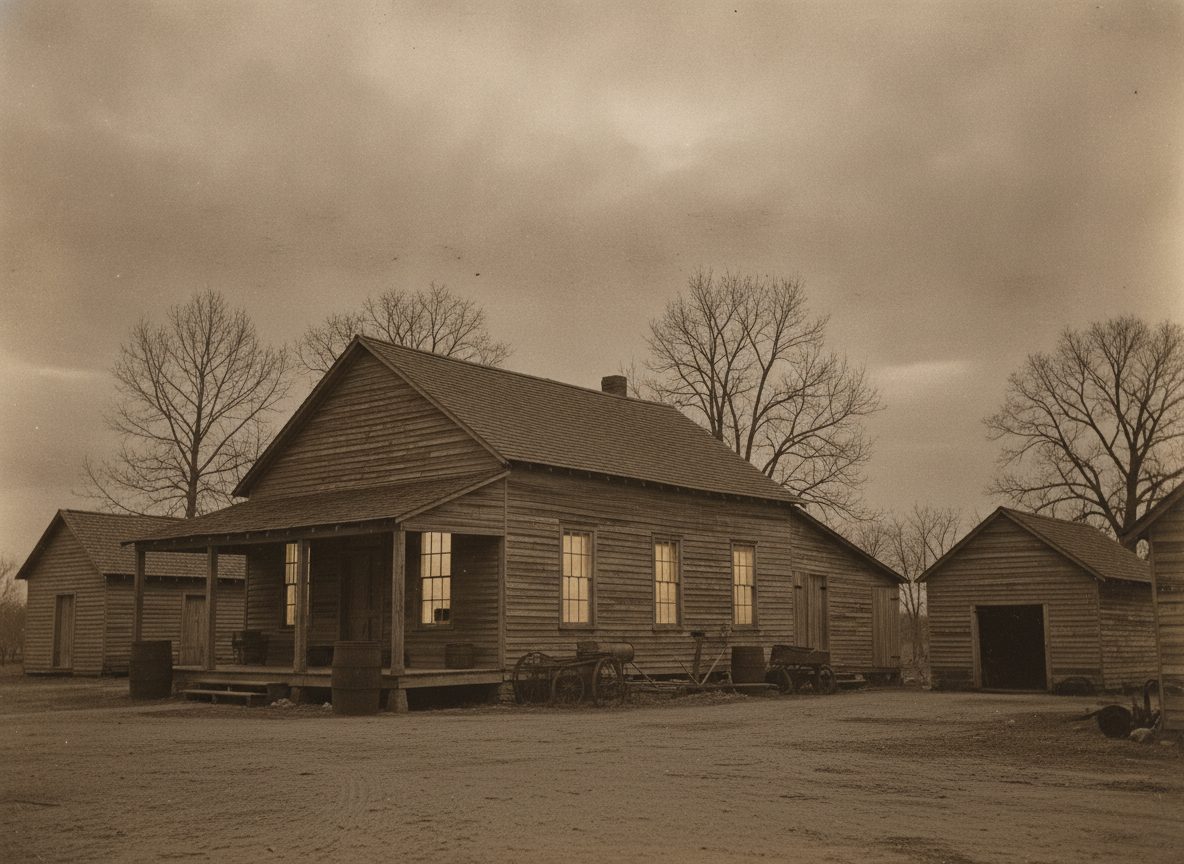
Dockery Plantation, the crossroads where the Delta blues took shape.
c. 1891
Born in the hill country
Patton was born near Bolton or Edwards, Mississippi, and moved as a boy to the vast Dockery Plantation in the Delta, the setting that would make him a musician.
c. 1900s
Learning from Henry Sloan
At Dockery he apprenticed to the older, unrecorded guitarist Henry Sloan, absorbing an early, raw form of the blues and beginning to build the rough, driving style that became his own.
1910s–1920s
The Dockery circle
Patton became the region's most popular entertainer, playing dances and juke joints across the Delta and mentoring the players around him, most importantly Willie Brown and Son House.
1929
Paramount Records
Talent scout H. C. Speir connected Patton to Paramount Records, and in Richmond, Indiana, he cut his first sides, including "Pony Blues," launching one of the most influential recording runs in blues history.
1929–1930
The great sessions
Over a handful of prolific sessions he recorded blues, rags, gospel, and topical songs, from "High Water Everywhere," about the 1927 Mississippi flood, to "Screamin' and Hollerin' the Blues," setting the template for Delta blues.
1934
A final session
In failing health, Patton traveled to New York for a last set of recordings, some with the singer Bertha Lee. He died of heart failure in Mississippi later that year, at roughly forty-three.
After
The long echo
His records fed directly into Son House, Howlin' Wolf, Robert Johnson, and Muddy Waters, and the postwar rediscovery of country blues cemented him as the founding figure of the whole Delta tradition.
Four Sides, One Education
Start Here
Patton's recordings are nearly a century old and rough with surface noise, but that grit is part of the message. These four sides are the fastest way to hear the voice, the beat, and the range. Listen in order.
01 · The Landmark
"Pony Blues" (1929)
The cornerstone. Patton's first great record, with its rolling, syncopated groove and full-throated holler, is the single best door into the Delta blues and the sound everyone else built on.
02 · The Epic
"High Water Everywhere, Pt. 1" (1929)
A driving, urgent account of the catastrophic 1927 Mississippi flood. It shows Patton as reporter and witness, turning real disaster into propulsive, unforgettable music.
03 · The Trickster
"A Spoonful Blues" (1929)
A playful, sly performance where Patton toys with the guitar as a second voice, breaking off phrases and answering himself. His humor and showmanship are on full display.
04 · The Dance
"Shake It and Break It" (1929)
A relentless, foot-driving number built for the juke joint, showing the older songster side of Patton's repertoire and the percussive attack that made him a one-man band.
The Landmark Collections
The Albums 5 to start with
Patton never made an album in the modern sense; his legacy lives in 78 rpm sides cut between 1929 and 1934. What follows are the essential reissue collections that gather those recordings. The blue-topped card is the best place to begin.
Reissue
Founder of the Delta Blues
The classic career overview, drawing together the signature sides in remastered form. The clearest single-collection introduction to why Patton matters, and the ideal place to begin.
The deep dive: essentially everything he committed to record, blues, rags, gospel, and topical songs alike. For when the signature sides leave you wanting all of it.
A tight, well-chosen sampler of the high points. A fine alternative entry if you want the essentials without committing to a full box, with the key sides all present.
A collection that leans into the breadth of Patton's world beyond the twelve-bar blues, gathering the ragtime, dance, and sacred material that shows his full range as an entertainer.
A recent remastered gathering under the title history gave him, keeping the core recordings in circulation for new listeners. Another dependable route into the essential sides.
Two sets: a First Listen of the signature sides to bring you in, and a Deep Cuts gathering of the rags, gospel, and lesser-known blues for when you want to sink deeper. Hit the button on either card to search these out on YouTube Music.
Patton was mostly a solo performer, a one-man band whose slapped guitar did the work of a rhythm section. But he sat at the center of a community of players and a record company that carried the Delta blues to the world.
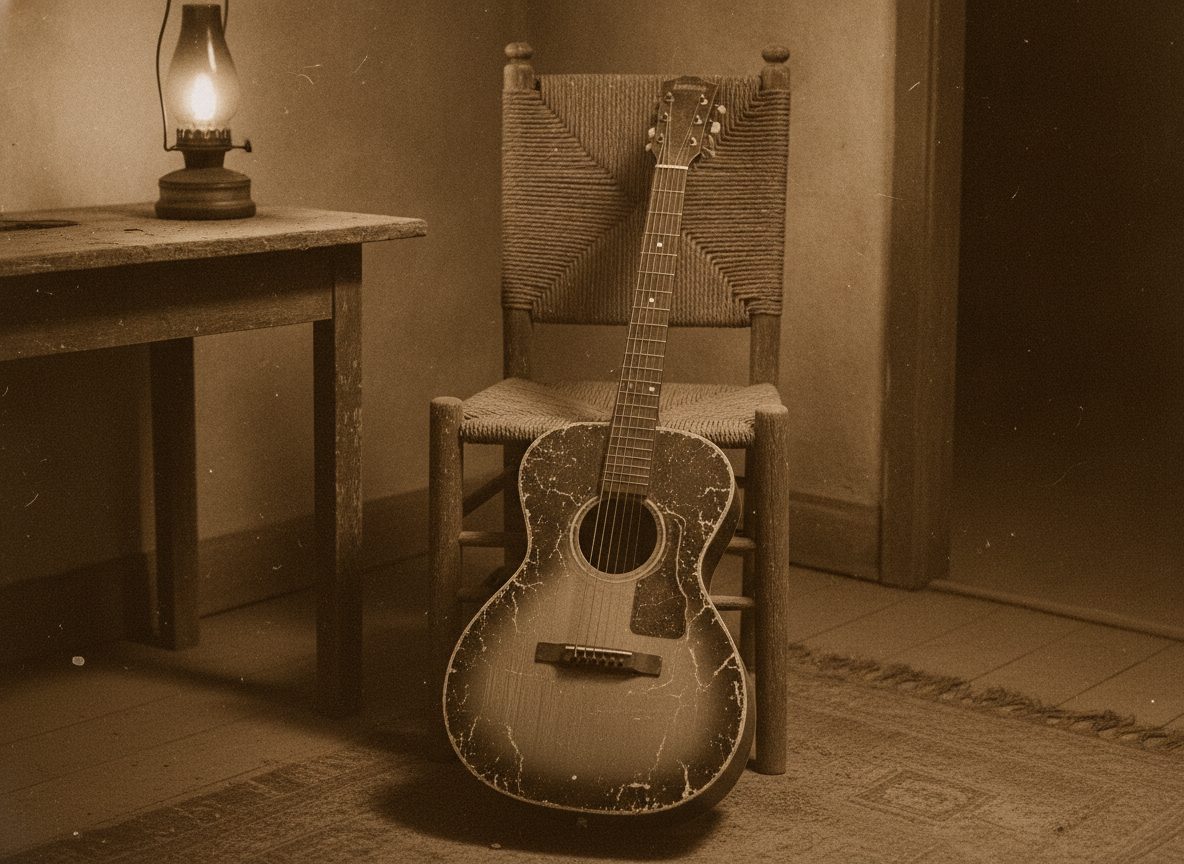
The parlor guitar and the juke joint, the tools of the founding Delta sound.
Henry SloanMentor / early guitaristThe older, unrecorded Dockery musician who taught Patton an early form of the blues; a crucial link, though no recordings of him survive
Willie BrownGuitar / partnerPatton's closest musical companion, a formidable Delta guitarist who played second guitar on several sessions and worked the same juke-joint circuit
Son HouseFellow Delta bluesmanPart of the same Dockery-area circle, deeply shaped by Patton, and a direct bridge to the next generation, including Robert Johnson and Muddy Waters
Bertha LeeSinger / partnerPatton's companion in his final years, who sang alongside him on some of the 1934 New York recordings
H. C. SpeirTalent scoutThe Jackson, Mississippi store owner and scout who connected Patton and many other Delta artists to record labels, opening the door to Paramount
Paramount RecordsRecord labelThe Wisconsin label that recorded Patton's core body of work between 1929 and 1930, pressing the 78s that became the foundation of the Delta blues
The Roots and the Legacy
Influences
Patton drew on the older songster tradition and the first wave of recorded country blues, then handed a transformed music to the giants who followed. Here is the line that runs through him, from the roots he grew from to the artists he made possible.
Roots
Blind Lemon Jefferson
The first great commercial country-blues star, whose widely heard records helped define the idiom Patton worked in, part of the songster and early-blues world he came out of.
A disciple from the Dockery circle who carried Patton's fierce, rhythmic approach forward and became a direct teacher of the next generation of Delta blues.
As a young man he watched Patton play and took the roaring, physical vocal attack straight from him, then carried it into the electric Chicago blues that shaped rock and roll.
The most famous of the Delta bluesmen, whose music descends through Son House and the Patton lineage. The imagery and drive of that tradition run straight back to Patton.
The man who electrified the Delta blues in Chicago and lit the fuse for rock and roll grew up steeped in the tradition Patton founded, completing the line from the plantation to the world.
Patton died in 1934 and left no filmed interviews. What survives is scholarship: documentaries and lectures that piece together his life from the records, the plantation, and the memories of those who knew the music.
Archive · Scholarship
"The Day Charley Patton Changed the Blues"
A scholarly look at Patton's pivotal recordings and their place in blues history, drawing on the research that has slowly reconstructed the story of a thinly documented life.
Interview · Documentary
The Filmed Portraits
Because no footage of Patton exists, his story is told through documentaries on the Delta blues and Dockery Plantation, and through interviews with the scholars and later musicians who carried his legacy. Search YouTube for the archival footage.
Once the signature sides have you, Patton's world opens into the whole first generation of the Delta blues and the scholarship that rescued it.
The complete recordings. every surviving side, including the rags, gospel numbers, and topical songs, shows a far wider entertainer than the "bluesman" label suggests.
The Dockery circle. follow the thread out to Son House and Willie Brown, then on to Robert Johnson and Muddy Waters, and you trace the entire spine of the Delta blues.
The 1934 sessions. Patton's last recordings, some with Bertha Lee, are a haunted coda cut just months before his death, including "34 Blues" and "Stone Pony Blues."
The scholarship. researchers like David Evans and John Fahey spent decades reconstructing Patton's life and music, and their work is the reason we know as much as we do.
The Way to Listen
Do yourself one favor: put on Founder of the Delta Blues from the top and let the surface noise fall away. Underneath the crackle is the beat that started it all, and once you hear it, you will hear Patton in a century of music that followed.