How a Mississippi sharecropper's stepson turned one hypnotic chord and a stomping foot into a sound so raw and personal it outlived every trend and made him the undisputed king of the boogie.
The Short Version
Who Is He?
John Lee Hooker (born near Clarksdale, Mississippi, in 1917) is one of the most influential and instantly recognizable figures in the blues. He carried the deep Delta tradition north to Detroit, plugged in, and forged a style all his own: a droning, one-chord boogie driven by his growling voice and the relentless stomp of his foot.
Two things make him singular. First, the groove: Hooker often ignored the standard twelve-bar blues form entirely, following his own feel and changing chords only when the spirit moved him. Second, the staying power: from the 1948 hit "Boogie Chillen'" to his 1989 comeback album The Healer, he stayed vital across five decades, winning Grammys in his seventies and inspiring generation after generation of rock and blues musicians.
He kept recording and touring almost until his death in 2001. To understand where electric blues and rock rhythm come from, you start here.
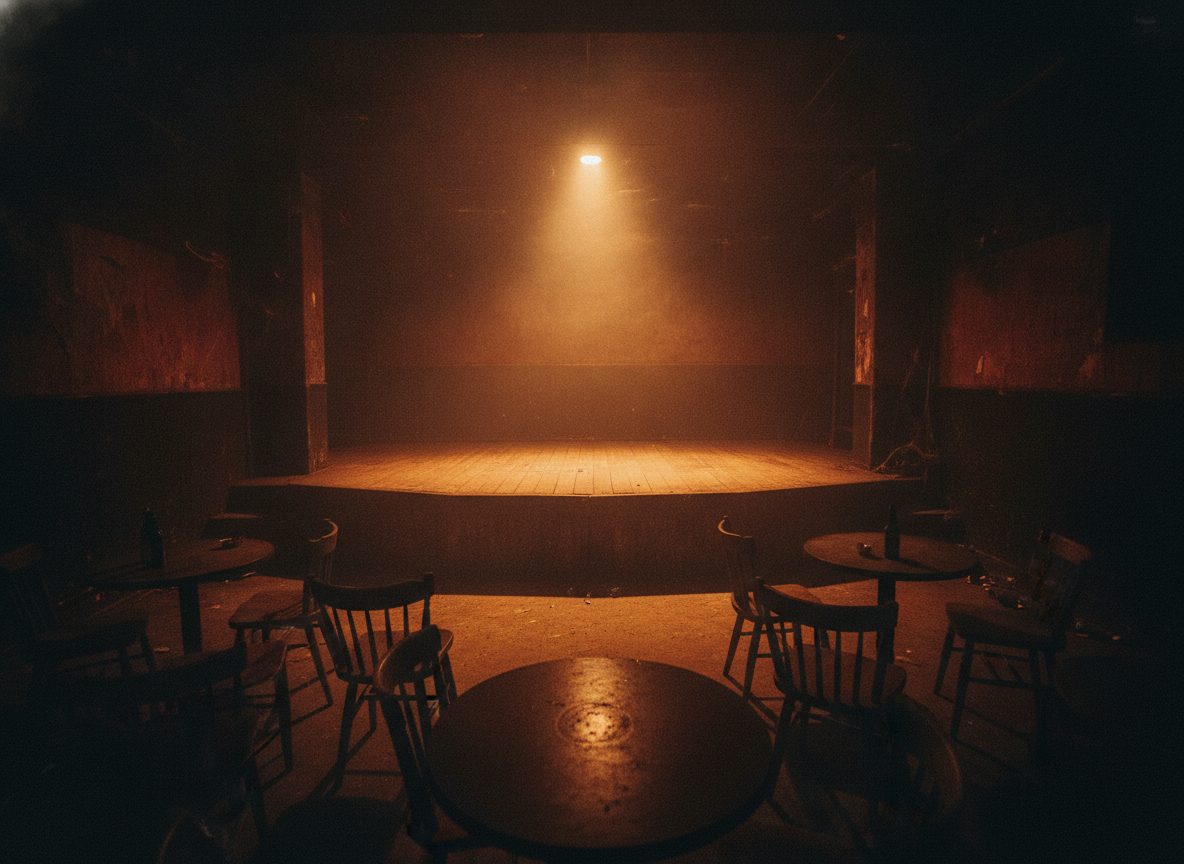
The smoky Detroit clubs where the boogie was born and refined night after night.From a Mississippi Farm to the King of the Boogie
The Story
Hooker's life traces the great migration of the blues itself: out of the Delta, up the highway to the industrial North, and onto records that would echo around the world.
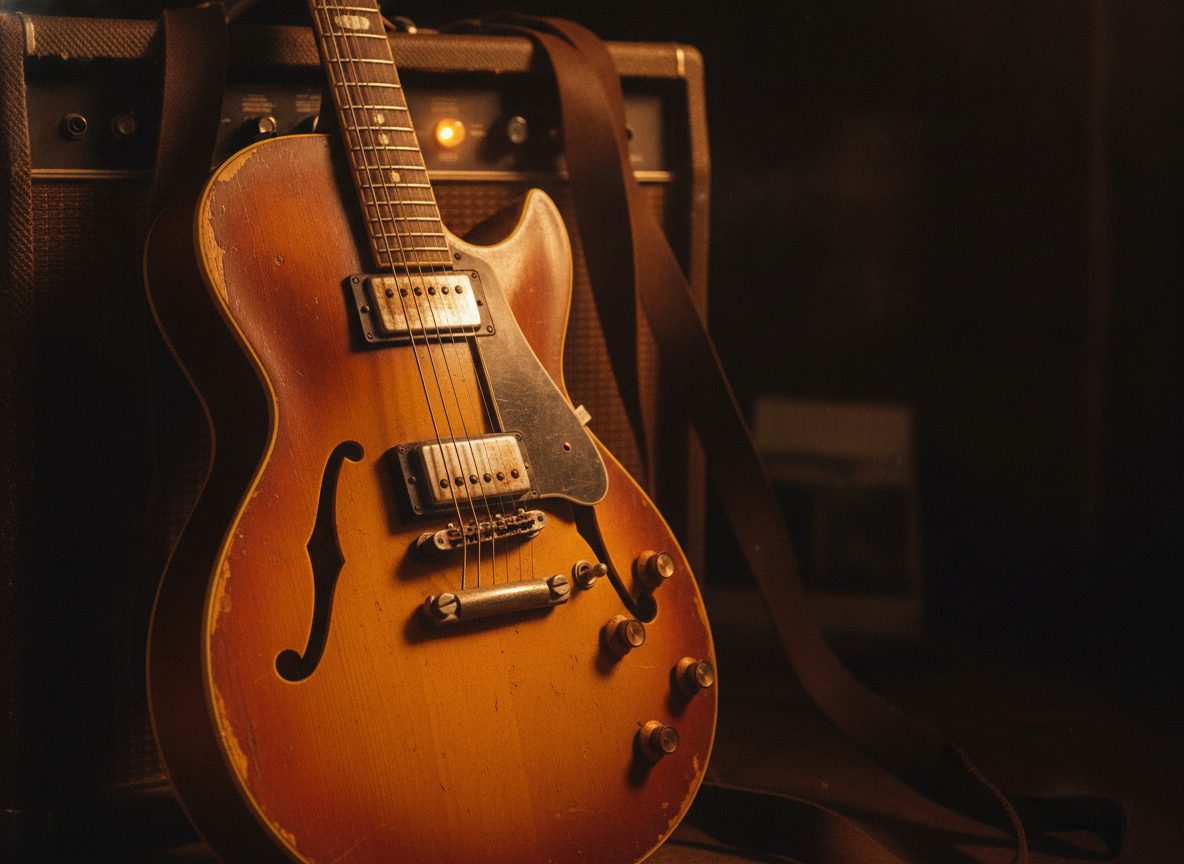
One guitar, one amp, one chord, and a foot keeping time. The whole sound in a single frame.
1917
The Mississippi Delta
Born into a sharecropping family near Clarksdale, Hooker learned his first music from his stepfather, Will Moore, a local guitarist whose droning, personal style became the seed of everything Hooker would later play.
1943
Detroit
After years drifting through Memphis and Cincinnati, Hooker settled in Detroit, working in factories by day and playing the house-party and bar circuit of Hastings Street by night, sharpening the electric boogie that made him local royalty.
1948–1949
Boogie Chillen'
His first record, "Boogie Chillen'," became a surprise number one on the R&B charts. Just voice, electric guitar, and a stomping foot on a wooden pallet, it announced a raw, hypnotic new sound.
1955–1964
The Vee-Jay years
Signing to Chicago's Vee-Jay Records, Hooker cut some of his most enduring sides, including the slinky, unforgettable "Boom Boom," while also recording prolifically under a string of pseudonyms for other labels.
1960s
The folk and rock revival
The folk-blues boom and the British Invasion brought Hooker to new white audiences. Bands like the Animals and the Yardbirds covered his songs, and he toured the coffeehouse and festival circuit as a living legend.
1971
Hooker 'n Heat
He teamed with the California blues-rock band Canned Heat for a loose, joyful double album that became his first record to chart on the pop side and modeled the star collaborations to come.
1989
The Healer
A stunning late-career comeback. Backed by admirers like Carlos Santana and Bonnie Raitt, The Healer won a Grammy, went gold, and made Hooker a star all over again in his seventies, a run that continued until his death in 2001.
Four Songs, One Education
Start Here
Hooker's catalog is enormous and scattered across dozens of labels. These four songs are the fastest way to grasp the range, from the raw early boogie to the polished comeback. Watch in order.
01 · The Signature
"Boom Boom" (1962)
The most famous groove he ever cut, a swaggering, stop-start riff that has been covered endlessly and remains the single best introduction to his sound.
02 · The Origin
"Boogie Chillen'" (1948)
The debut hit that started it all: one guitar, one voice, one stomping foot, and a hypnotic riff that laid the groundwork for a huge swath of rock and roll rhythm.
03 · The Slow Burn
"Tupelo" / "I'm in the Mood"
Two sides of his darker, slower art: the brooding storm ballad "Tupelo" and the smoldering "I'm in the Mood." Proof that the boogie was only half the story.
04 · The Comeback
"The Healer" (with Carlos Santana, 1989)
The title track of his Grammy-winning comeback, a slow, spiritual grind with Santana's guitar wrapped around Hooker's weathered voice. The late-career Hooker at his most magnetic.
The Landmark Records
The Albums 4 to start with
Hooker recorded relentlessly for decades, so his catalog is best entered through a few key records and collections. These four are the pillars. The blue-topped card is the best place to begin.
1962
Burnin'
His classic Vee-Jay album, home to "Boom Boom" and cut with a full Motown-style backing band. Tight, funky, and irresistible, it is the sound of the Detroit boogie at its commercial peak.
The loose, generous double album with blues-rock band Canned Heat, his first record to reach the pop chart. A relaxed summit meeting that pointed the way toward his later all-star collaborations.
The Grammy-winning comeback that made him a star again. Featuring Carlos Santana, Bonnie Raitt, and other admirers, it fused his ancient boogie with modern production and reached a whole new audience. Start here.
A generous single-disc gateway drawing on his Impulse, Chess, and ABC sides. A reliable, well-chosen overview for anyone who wants the essential grooves in one place before diving deeper.
Two YouTube Music setlists: a First Listen of the signature grooves to bring you in, and a Deep Cuts set of the slower, hypnotic pieces for when you want to sink in. Hit the button on either card to play it.
Hooker was famously a solo force, often recording alone with just his guitar and foot. But the labels, bands, and guests around him shaped how the world heard the boogie.
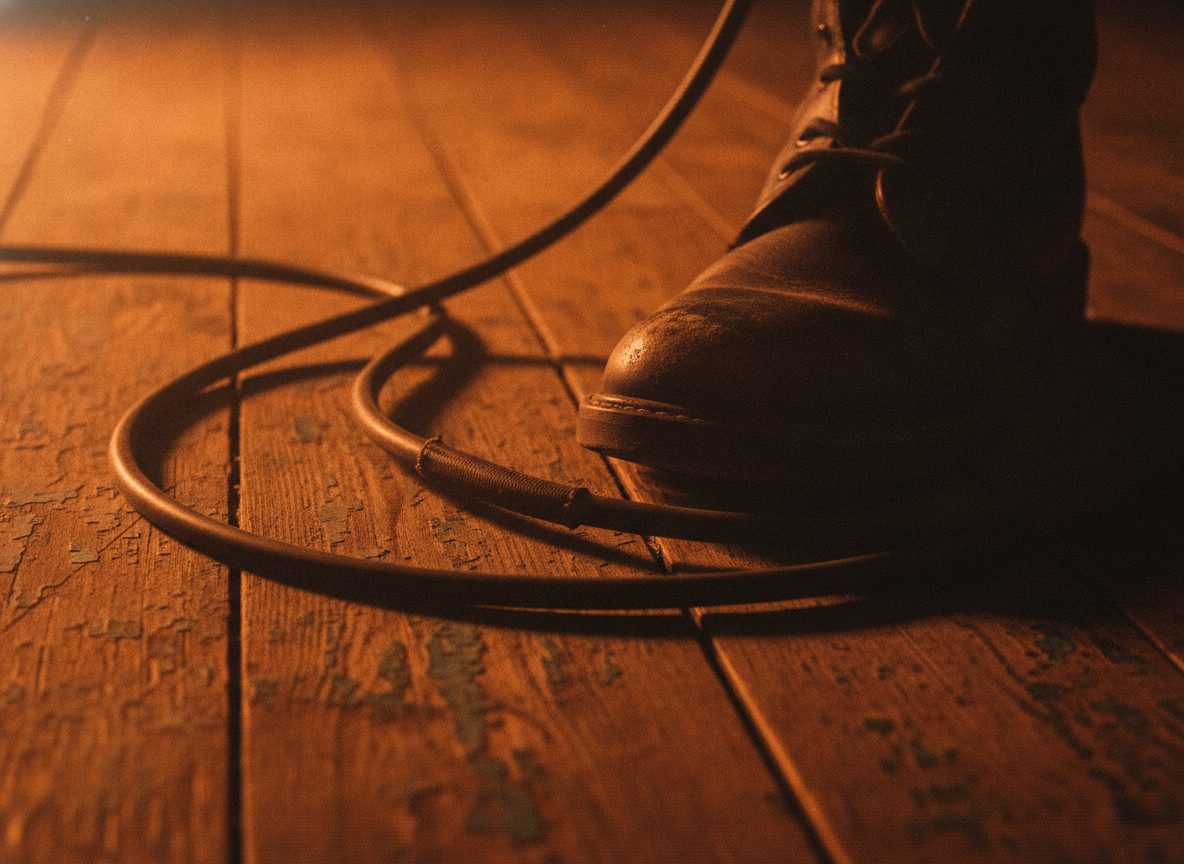
The stomping foot was an instrument in its own right, mic'd and pressed straight to record.
Vee-Jay RecordsLabel / home baseThe pioneering Black-owned Chicago label that gave Hooker a steady studio home from the mid-1950s, framing his boogie with a full band and cutting his signature "Boom Boom"
Canned HeatBacking bandThe California blues-rock group, led by devoted Hooker disciples, who backed him on the loose 1971 double album Hooker 'n Heat and helped carry him to rock audiences
Carlos SantanaGuitar guest, The HealerWrote and played the slow-burning title track of The Healer, wrapping his guitar around Hooker's voice and helping anchor the Grammy-winning comeback
Bonnie RaittVocal / slide guest, The HealerA longtime admirer who traded vocals and slide with Hooker on The Healer, part of the all-star cast that reintroduced him in 1989
Bernard BesmanEarly producerThe Detroit producer and label owner who recorded and released "Boogie Chillen'" in 1948, capturing the raw solo boogie that launched Hooker's career
The Roots of the Sound
Influences
Hooker's boogie grew from the deep soil of the Mississippi Delta and the country blues records he heard as a young man. Here is where it started.
Delta Blues
Charley Patton
The founding father of Delta blues, whose heavy, percussive guitar and growling delivery set the template for the raw, rhythm-first playing that Hooker carried north and made his own.
The first great country-blues star on record, whose free, conversational phrasing and expressive guitar showed the young Hooker how a single voice and guitar could hold a room.
A towering Delta preacher-turned-bluesman whose fierce, hypnotic drive and deep emotional weight ran through the same Mississippi tradition that shaped Hooker's droning, one-chord intensity.
The pioneer of the electric blues guitar, whose smooth, amplified sound helped show Delta players like Hooker how to bring the country blues into the loud, electrified world of the city.
Hooker spoke the way he played: slow, plainspoken, and full of feeling, often circling back to the Delta, the boogie, and the stepfather who first showed him the guitar.
Interview · Archive
Hooker, In Conversation
From festival green rooms to late-career television, Hooker's rare interviews reveal a warm, unhurried man who traced his whole sound back to his stepfather Will Moore and the Mississippi he left behind.
Interview · Performance
The Filmed Performances
The best window into Hooker is watching him play: solo festival sets, television appearances, and the star-studded concerts around The Healer capture the stomp, the growl, and the easy charisma. Search YouTube for the live footage.
Once the landmark records have you, Hooker's world opens into decades of sessions, pseudonyms, and collaborations scattered across the history of the blues.
The early Modern sides. the raw late-1940s and 1950s solo recordings, including "Boogie Chillen'," "Crawlin' King Snake," and "Hobo Blues," where the hypnotic one-man boogie is at its purest.
The pseudonym era. to duck contracts, Hooker cut records as Texas Slim, Delta John, John Lee Booker, and more, a tangled treasure hunt for the deeper collector.
The Vee-Jay catalog. the full run of his classic Chicago-label sides, from "Boom Boom" to "Dimples," the commercial heart of his early career.
The comeback records. after The Healer, albums like Mr. Lucky and Chill Out continued the all-star late-career run into the 1990s.
The Way to Listen
Do yourself one favor: put on Burnin' and let "Boom Boom" pull you in, then sit with The Healer to hear the same man forty years on. Do not count the bars. Hooker never did. Just follow the foot.