A Beginner's Guide To

The Doors

Acid Rock • Blues • California Gothic

How four Los Angeles musicians fused Chicago blues, cocktail jazz, and beat poetry into something dark and cinematic, and how a charismatic, self-destructing frontman turned rock and roll into theatre.


The Short Version

Who Are They?

The Doors were an American rock band formed in Los Angeles in 1965. They were built around four very different players: singer and poet Jim Morrison, keyboardist Ray Manzarek, guitarist Robby Krieger, and drummer John Densmore. Famously, they had no full-time bass player, Manzarek held down the low end with his left hand on a keyboard bass.

Two things make them singular. First, the sound: a hybrid of blues, jazz, flamenco, and carnival organ that felt sinister and theatrical where their peers felt sunny. Second, Jim Morrison himself, a Dionysian, unpredictable frontman who treated a rock concert as a piece of dangerous performance art, and who became one of the defining and most doomed figures of the sixties.

They took their name from Aldous Huxley's The Doors of Perception, itself borrowed from William Blake. In barely four years and six studio albums they produced some of the most enduring songs in rock, before Morrison died in Paris in 1971 at the age of 27. The band was inducted into the Rock and Roll Hall of Fame in 1993.

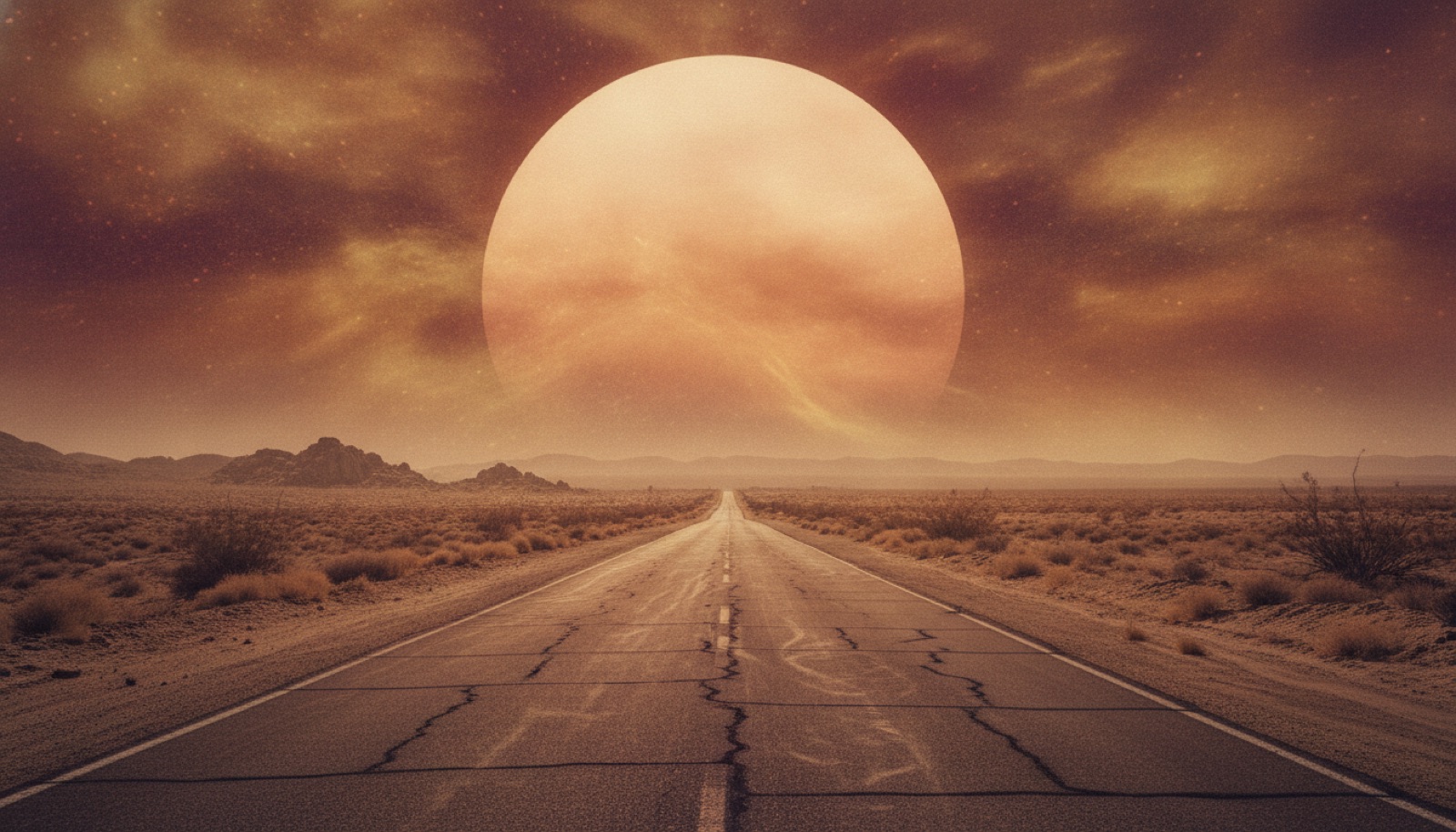
An empty desert highway shimmering with heat under a huge burnt-orange sun
Sunbaked, hypnotic, and a little menacing, the California landscape at the heart of their sound.

From Venice Beach to Père Lachaise

The Story

Their whole history unfolds in a single blazing burst: formed in 1965, finished by 1971, and legend ever after.
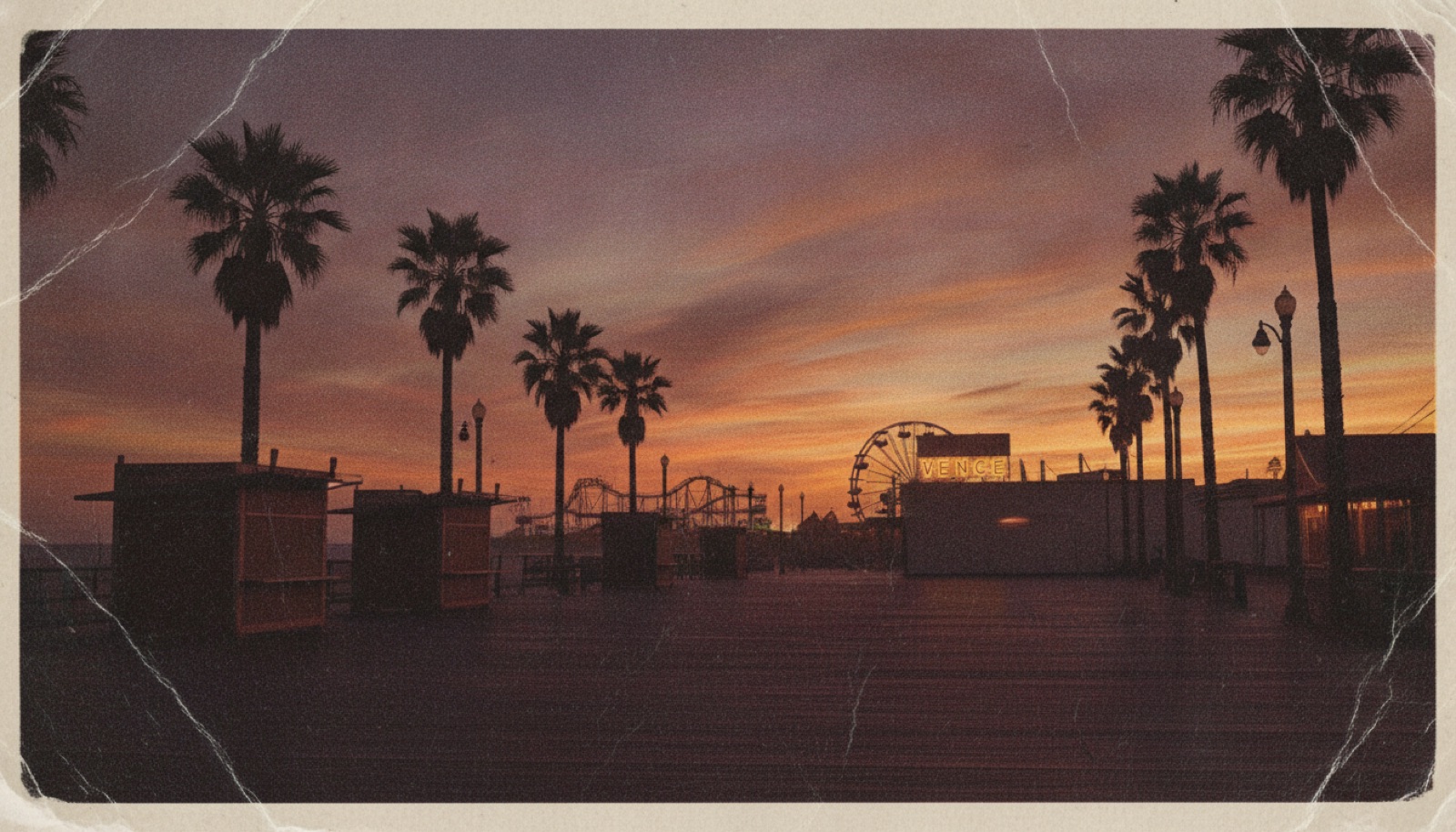
A 1960s Venice Beach boardwalk at dusk, palm trees silhouetted against a purple sky
Venice Beach, 1965, where the band was born from a chance meeting on the sand.
  1. 1965

    A meeting on Venice Beach

    Two UCLA film students, Jim Morrison and Ray Manzarek, ran into each other on the beach. Morrison recited a poem he'd been working on, "Moonlight Drive," and Manzarek suggested they start a band. With Robby Krieger and John Densmore, drawn from a meditation group, The Doors were complete.

  2. 1966

    House band at the Whisky

    They became the house band at the Whisky a Go Go on the Sunset Strip, sharpening their live show nightly. They were fired after Morrison performed the shocking Oedipal climax of "The End," but by then Elektra Records had signed them.

  3. 1967

    The debut and a number one

    Their self-titled debut arrived in January, and the edited single of "Light My Fire" went to number one that summer, making them overnight stars. They followed it the same year with the darker, more assured Strange Days.

  4. 1968

    Waiting for the Sun

    Their third album became their only US number one album, powered by the pop hit "Hello, I Love You." But the sessions were tense, and Morrison's drinking and unreliability were becoming a serious problem.

  5. 1969

    The Miami incident

    At a chaotic Miami concert in March, Morrison was accused of exposing himself on stage. The arrest and trial that followed dogged the band, got shows cancelled, and marked the beginning of the end of their touring life. The Soft Parade, with its horns and strings, divided fans.

  6. 1970

    Back to the blues

    Chastened, the band returned to their roots with Morrison Hotel, a tough, bluesy record built around "Roadhouse Blues." Morrison, now heavily bearded and drinking hard, was pouring his energy into poetry.

  7. 1971

    L.A. Woman, then Paris

    They cut the loose, swaggering L.A. Woman, home to "Riders on the Storm" and the title track. Morrison then moved to Paris to focus on writing. On July 3, 1971, he was found dead in a bathtub, aged 27. He is buried in Père Lachaise cemetery.

  8. 1971–1973

    Carrying on, and stopping

    The three surviving members recorded two more albums, Other Voices and Full Circle, with Manzarek and Krieger sharing vocals. Without Morrison it wasn't the same, and the band wound down.

  9. 1978

    An American Prayer

    The three reunited to set Morrison's recorded poetry to new music as An American Prayer, a strange, atmospheric coda that kept his voice alive one more time.

  10. 1993

    Legend and afterlife

    The Doors were inducted into the Rock and Roll Hall of Fame. Oliver Stone's 1991 film, endless reissues, and Morrison's enduring myth turned a four-year career into one of rock's most durable legacies.

Four Songs, One Education

Start Here

The Doors made tight, indelible songs and long, hypnotic ones. These four, from the radio staples to the epic closer, are the fastest way to understand the range. Watch in order.

01 · The One You Know

"Light My Fire" — 1967

Robby Krieger's song, built on Manzarek's swirling organ intro and a long jazzy jam, was their breakthrough number one. The gateway drug for most new fans, and still the sound of the summer of 1967.

02 · The Statement of Intent

"Break On Through (To the Other Side)" — 1967

Their first single and mission statement: a fast, bossa-nova-driven blast of garage rock and psychedelic urgency. Two minutes and thirty seconds that tell you exactly what this band is about.

03 · The Atmosphere

"Riders on the Storm" — 1971

The last song they recorded with Morrison: a rainy, jazzy, drifting noir built on rain sounds and Manzarek's electric piano. Cool, ominous, and utterly hypnotic. This is the mood they did better than anyone.

04 · The Epic

"The End" — 1967

The nearly twelve-minute closer of their debut: a slow, snaking, Oedipal psychodrama that got them fired from the Whisky and later opened Coppola's Apocalypse Now. If one performance turns you into a lifer, it's this.


The Studio Catalog

The Albums 6 to start with

The Doors made six studio albums with Morrison in barely four years. These four are the essential core; the blue-topped card is the obvious place to begin.

1967

The Doors

The debut and the obvious starting point: "Break On Through," "Light My Fire," "Soul Kitchen," "The Crystal Ship," and the towering "The End." A near-perfect first record. If you own one Doors album, own this.

Start here Open in Apple Music ↗
1967

Strange Days

Recorded quickly after the debut, and darker and more confident for it. "People Are Strange," "Love Me Two Times," "Moonlight Drive," and the epic "When the Music's Over." Many fans' quiet favourite.

Essential Open in Apple Music ↗
1968

Waiting for the Sun

Their only US number one album, softer and poppier on the surface with "Hello, I Love You," but with a hard edge in "Five to One" and "Not to Touch the Earth." The sound of a band under strain.

Open in Apple Music ↗
1969

The Soft Parade

The Doors stretch out with horns and strings, uneven but adventurous, anchored by the hit "Touch Me."

Open in Apple Music ↗
1970

Morrison Hotel

A hard turn back to blues-rock after the experiments, gritty and confident, with "Roadhouse Blues" and "Peace Frog."

Open in Apple Music ↗
1971

L.A. Woman

The last album with Morrison, and a triumphant return to raw blues-rock: "Riders on the Storm," "Love Her Madly," and the sprawling title track. A perfect, swaggering farewell recorded just before Paris.

Essential Open in Apple Music ↗

Where to Drop the Needle

The Playlists

Two YouTube Music playlists: a First Listen of the signature songs to bring you in, and a Deep Cuts set of the longer, stranger pieces for when you're ready to sink in. Hit the button on either card to play it.

First Listen
The Signatures · 9 tracks
  1. Break On ThroughThe Doors
  2. Light My FireThe Doors
  3. People Are StrangeStrange Days
  4. Hello, I Love YouWaiting
  5. Touch MeSoft Parade
  6. Roadhouse BluesMorrison Hotel
  7. Love Her MadlyL.A. Woman
  8. L.A. WomanL.A. Woman
  9. Riders on the StormL.A. Woman
▶ Listen on YouTube Music
Deep Cuts
The Long Pieces · 9 tracks
  1. The EndThe Doors
  2. When the Music's OverStrange Days
  3. The Crystal ShipThe Doors
  4. Moonlight DriveStrange Days
  5. Five to OneWaiting
  6. Not to Touch the EarthWaiting
  7. Peace FrogMorrison Hotel
  8. Soul KitchenThe Doors
  9. L'AmericaL.A. Woman
▶ Listen on YouTube Music

The People on the Records

The Band

Four musicians, no bassist, and four very different temperaments: a poet, a jazz-schooled organist, a flamenco-trained guitarist, and a jazz drummer. The friction between them was the sound.

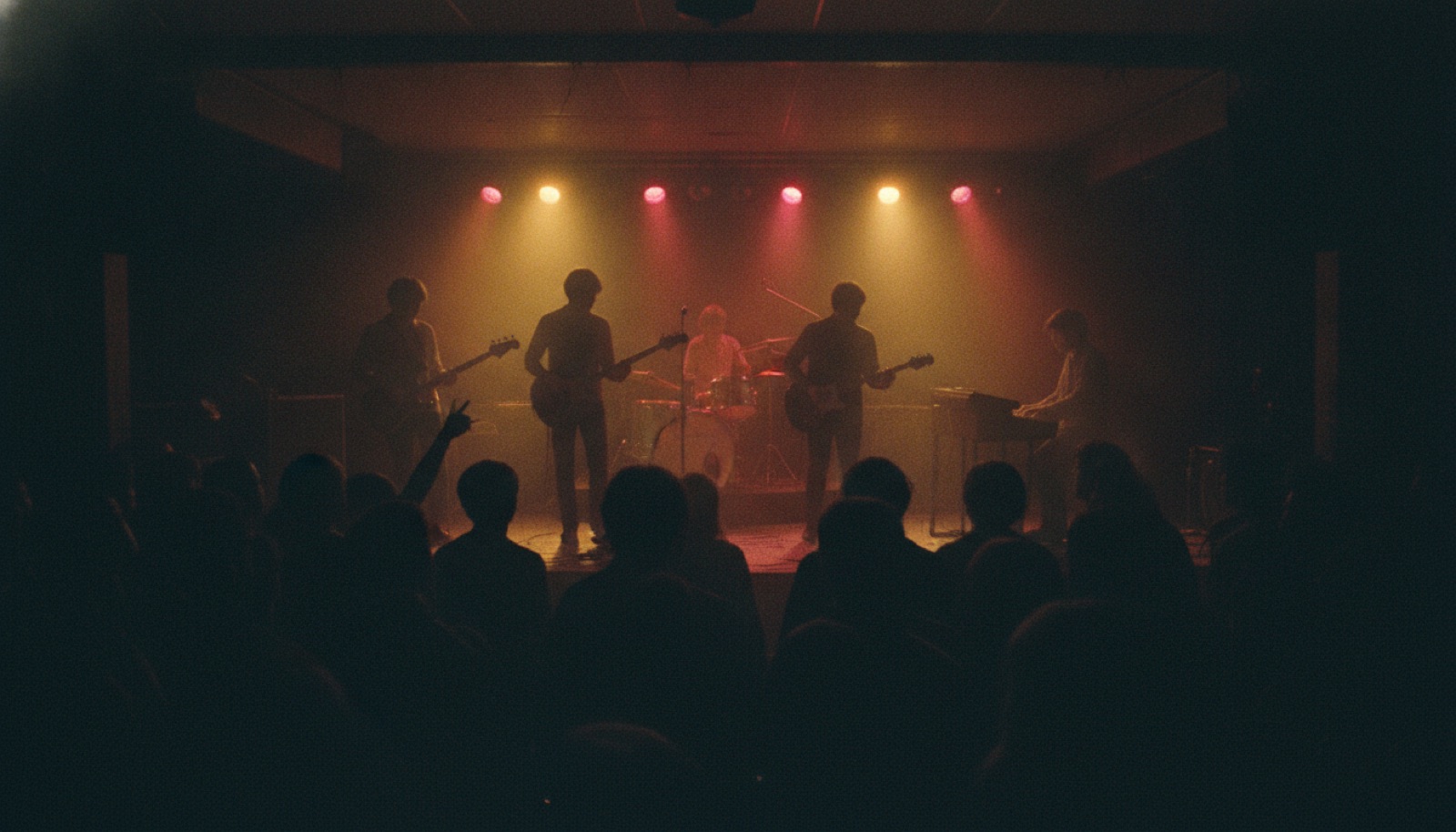
Four musicians in silhouette on a small club stage bathed in warm amber and red light
Four players, one dangerous chemistry.

The Roots of the Sound

Influences

The Doors grew out of Chicago blues, modal jazz, and the hypnotic beat of early rock and roll. Here is where it started.

Chicago Blues

Howlin' Wolf

The primal, menacing blues holler behind Morrison's darkest vocal moments. The band covered "Back Door Man."

Open in Apple Music ↗
Boogie Blues

John Lee Hooker

The hypnotic, one-chord boogie that runs straight through "Roadhouse Blues" and their bluesiest jams.

Open in Apple Music ↗
Modal Jazz

John Coltrane

The spiritual, spiralling improvisation that Manzarek and Densmore chased in the long instrumental passages.

Open in Apple Music ↗
The Beat

Bo Diddley

The hypnotic, shave-and-a-haircut groove that echoes through their most propulsive, rhythmic songs.

Open in Apple Music ↗
Electric Blues

Muddy Waters

The swaggering, amplified Chicago blues that gave the band their swagger and their song structures.

Open in Apple Music ↗

In Their Own Words

Interviews

Morrison the myth and the band the survivors remember are two different things. One of each.

Interview · 1970

Jim Morrison, 1970

A rare filmed conversation with Morrison near the end of his life, bearded and reflective, talking about the band, performance, and where he saw himself heading. The myth, in his own quiet voice.

Watch on YouTube ↗
Interview · AXS TV

The Band Tell the Story

The surviving members look back on how the band came together and who Morrison really was, the human story underneath the legend, told by the people who lived it.

Watch on YouTube ↗

The Rabbit Hole

Going Deeper

Four years, six albums, and one enormous myth. Once the records have you, there is a whole world around them.

The Way to Listen

Do yourself one favour: put on The Doors from start to finish, with headphones, no phone, no shuffle. It runs from the jolt of "Break On Through" to the twelve-minute nightmare of "The End," and it only fully works that way. Then do the same with L.A. Woman.

Radio