Progressive Old-Time • Cello & Voice • Chamber Folk
The Boston band that reinvented old-time and traditional song around a cello and Aoife O'Donovan's luminous voice, a striking corner of the progressive-bluegrass world.
The Short Version
Who Were They?
Crooked Still were a Boston-based string band, formed in 2001, who found a genuinely original place in the progressive-bluegrass world by doing something almost no one else did: they built their sound around a cello. With Aoife O'Donovan's luminous lead vocals, Gregory Liszt's inventive banjo, and a cello where a bluegrass band would put a guitar, they reimagined old-time and traditional songs as something spare, modern, and haunting.
Marcel points to them as an example of progressive bluegrass "experimenting with non-standard orchestration," and that is exactly right. They followed the door Nickel Creek opened and walked through it somewhere no one expected, and their singer, Aoife O'Donovan, went on to become a star in I'm With Her and as a solo artist.
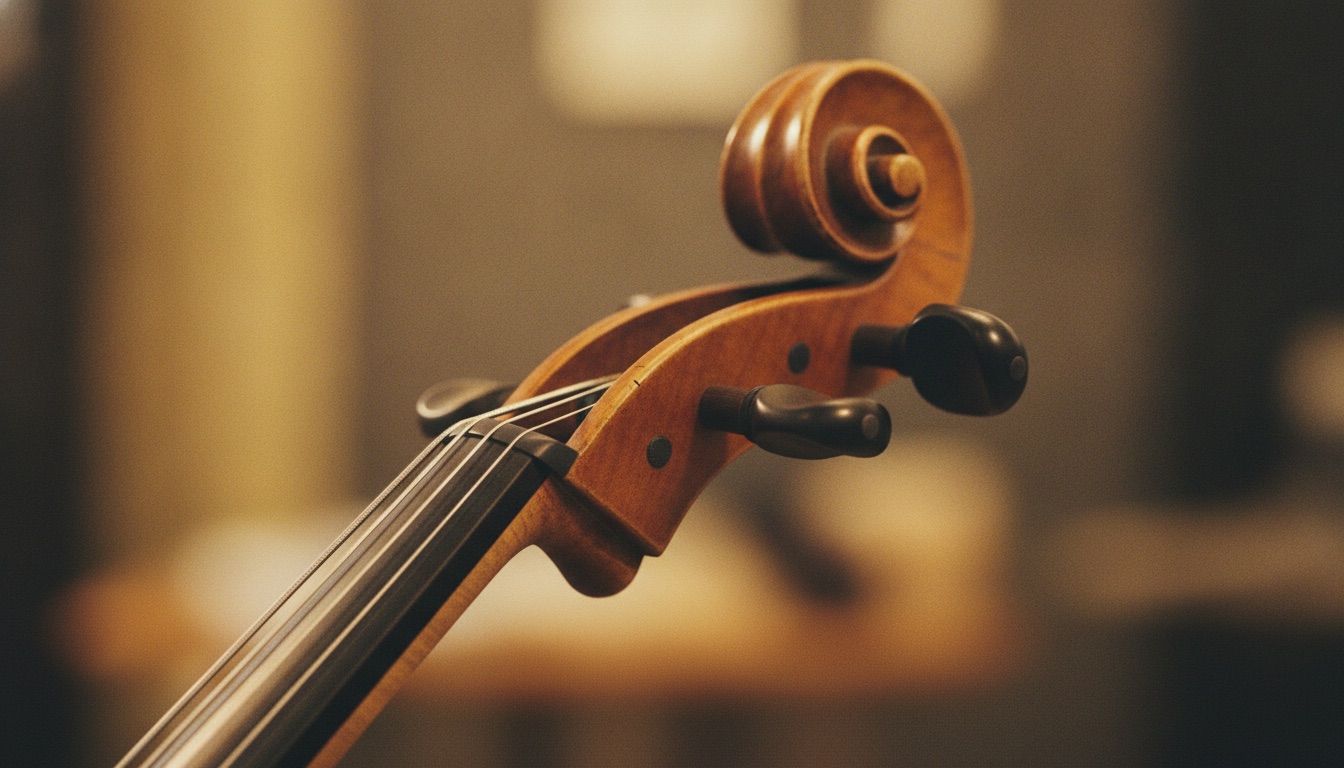
The cello, the band's defining and unexpected voice.Old Songs, New Shapes
The Story
Their story is a short, brilliant one: a band that reshaped old material and then scattered to remarkable careers.
The haunting New England mood of their music.
2001
Formed in Boston
Aoife O'Donovan, Gregory Liszt, cellist Rushad Eggleston, and bassist Corey DiMario came together in Boston's rich acoustic scene.
2004
Hop High
Their debut introduced the striking cello-and-voice reinvention of traditional song.
2006
Shaken by a Low Sound
Their breakthrough album brought wider attention and critical acclaim.
2007
A new lineup
When Eggleston left, cellist Tristan Clarridge and fiddler Brittany Haas joined, deepening the band's sound.
2010–11
Some Strange Country and hiatus
After another acclaimed record, the band went on indefinite hiatus, its members pursuing new projects.
After
Where they went
Aoife O'Donovan became a star with I'm With Her and as a solo artist; the others became leaders in the new-acoustic world.
Three Recordings, One Introduction
Start Here
These three are the fastest way to hear the band: the signature, the murder ballad, and the blues reimagining.
01 · The Signature
"Ecstasy"
Their best-known song, spare and transcendent, later beloved through The Last of Us. Start here.
02 · The Murder Ballad
"Little Sadie"
An old murder ballad driven by Liszt's banjo and the cello's dark pulse.
03 · The Blues
"Come On In My Kitchen"
A Robert Johnson blues reimagined as haunting chamber-folk.
The Catalog
The Essential Records 4 to start with
Four records tracing the band's short, brilliant run.
2006
Shaken by a Low Sound
The breakthrough, the band's sound fully realized. Start here.
The cello is the key to Crooked Still. In a bluegrass or old-time band, the low end and rhythm usually come from an upright bass and a guitar. Crooked Still kept the bass but replaced the guitar's role with a cello, played by virtuosos like Rushad Eggleston and Tristan Clarridge who could bow long melodic lines, pluck out rhythmic pulses, and add a dark, woody resonance no other string band had. It gave their reinvention of old songs a spare, chamber-music quality that was instantly recognizable.
Over that unusual foundation floated two more distinctive voices. Gregory Liszt played banjo with an idiosyncratic four-finger technique all his own, and Aoife O'Donovan sang with a clarity and warmth that turned even the grimmest old murder ballad into something luminous. The band's genius was in the arrangements: they took traditional and blues material everyone knew and found genuinely new shapes for it, proving that "progressive bluegrass" could mean rethinking a song's whole architecture, not just playing faster.
Their afterlife has been remarkable. Aoife O'Donovan became one of the most acclaimed voices in American roots music, a member of the supergroup I'm With Her and a Grammy-winning solo artist. Brittany Haas became one of the most in-demand fiddlers of her generation, and the others spread their influence across the new-acoustic world. For a band with only four studio albums, Crooked Still left a deep and lasting mark.
The listening rooms where their intimate sound thrived.The Roots of the Sound
Influences
Crooked Still drew on old-time, bluegrass, and the progressive string-band world. These are the sources.
Father of Bluegrass
Bill Monroe
The repertoire and high-lonesome feel the band reimagined.
Crooked Still connect the progressive-bluegrass world with the careers their members went on to.
Nickel Creek: the band that opened progressive bluegrass up. See the guide.
I'm With Her: Aoife O'Donovan's acclaimed supergroup. See the guide.
Sarah Jarosz: her I'm With Her bandmate and a kindred progressive voice. See the guide.
Gillian Welch: the stark old-time aesthetic the band shares. See the guide.
Aoife O'Donovan's solo records and Brittany Haas's fiddle work: both essential next steps.
The Way to Listen
Listen for the cello. Once you notice how it does the work a guitar usually would, the whole strange, beautiful architecture of the band's sound opens up.