The Georgia-born singer and pianist whose explosive, gospel-fired sound in the mid-1950s helped invent rock and roll and shaped generations of musicians that followed.
The Short Version
Who Is He?
Little Richard (born Richard Wayne Penniman in Macon, Georgia, in 1932) is one of the founding architects of rock and roll. In a burst of records for Specialty Records in the mid-1950s he fused the fervor of Black gospel, the drive of jump blues, and a pounding piano into a sound so loud and so joyful that it helped define an entire genre.
Two things make him singular. First, the voice: a soaring, gospel-trained shout topped with whoops and falsetto cries that no one had put on a pop record before. Second, the energy: songs like "Tutti Frutti," "Long Tall Sally," and "Good Golly Miss Molly" moved at a breathless pace, powered by a hammering right hand on the piano and a wailing New Orleans horn section.
His influence runs straight through the Beatles, the Rolling Stones, James Brown, Otis Redding, David Bowie, and Prince. To understand where rock and roll came from, you start here.
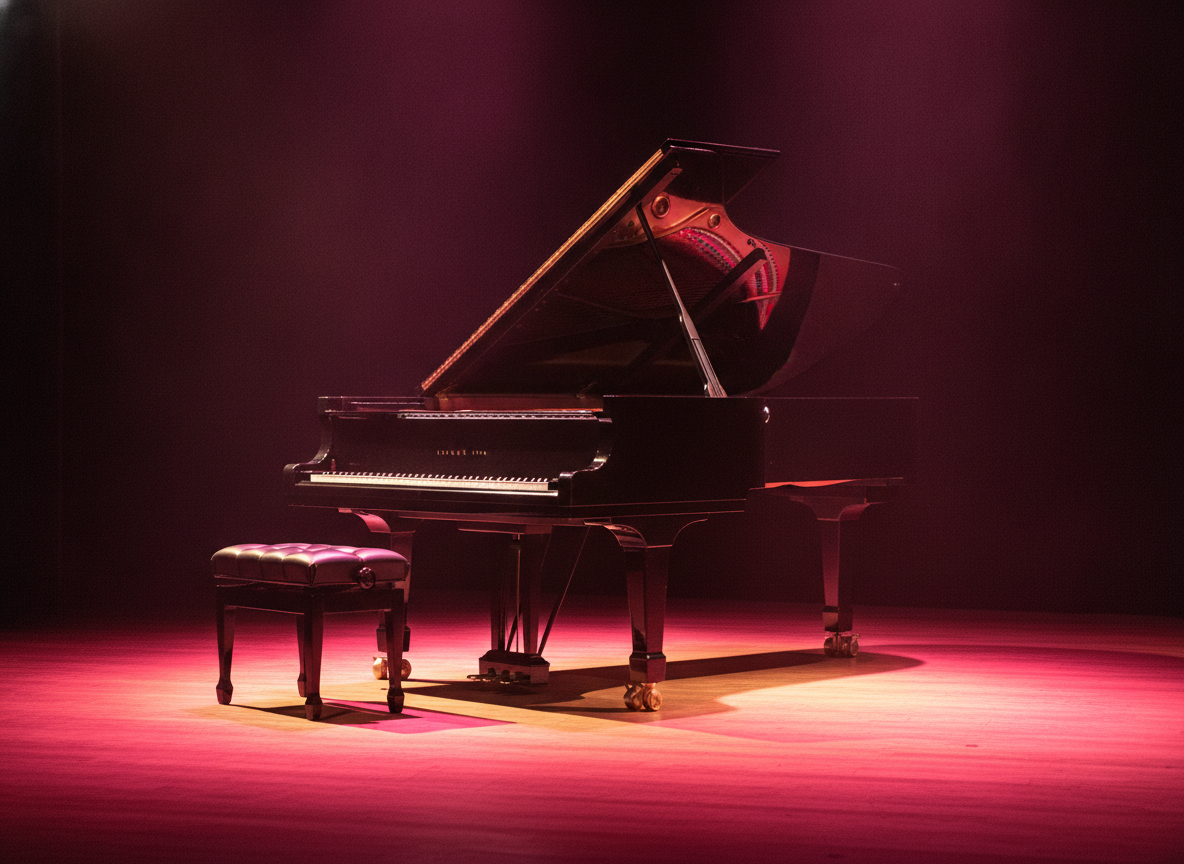
The pounding piano and the spotlight, the engine room of early rock and roll.From a Macon Church to the Birth of Rock and Roll
The Story
Little Richard's career is a series of dramatic swings between the church and the stage, each turn shaping the music that came after him.
Macon, Georgia, the gospel church, and a young performer built for the spotlight.
1932–1951
Macon and the church
Raised in a large family in Macon, Georgia, Richard grew up singing in Pentecostal churches, absorbing the shouting gospel style that would define his voice. As a teenager he left home to sing with traveling shows and medicine acts.
1951–1954
First recordings
He cut early sides for RCA and Peacock that leaned on jump blues and had little success. The records showed a powerful singer still searching for the sound that would set him apart.
1955
"Tutti Frutti" and Specialty
Signed to Specialty Records and recording in New Orleans with producer Bumps Blackwell, Richard turned a raucous stage number into "Tutti Frutti." The single became a national hit and a foundation stone of rock and roll.
1956–1957
The hit streak
An astonishing run followed: "Long Tall Sally," "Rip It Up," "Lucille," "Jenny, Jenny," and "Keep A-Knockin'," all driven by his piano, his shouting delivery, and a razor-sharp band. He toured relentlessly and appeared in early rock films.
1957–1962
Leaving for the ministry
At the height of his fame Richard abruptly quit rock and roll, enrolled in Bible college, and devoted himself to gospel music, recording sacred records and preaching for several years.
1962–1970
Return to the stage
He came back to secular performance with tours of Europe, where young British bands including the Beatles and the Rolling Stones shared his bills and studied his act. His live shows influenced a new generation.
1970s–2020
Elder statesman
Across later decades Richard moved between music and preaching, was inducted into the Rock and Roll Hall of Fame as part of its first class in 1986, and was widely honored as a founding father of the form until his death in 2020.
Four Songs, One Education
Start Here
Little Richard's greatness lives in a run of two-minute singles. These four are the fastest way to hear why he changed everything, from the opening yell to the last piano hammer. Play them loud.
01 · The Big Bang
"Tutti Frutti" (1955)
The record that lit the fuse. From its famous nonsense opening shout to its galloping beat, it announced a wilder, faster kind of music and became one of the founding documents of rock and roll.
02 · The Rocker
"Long Tall Sally" (1956)
Faster and fiercer still, sung almost entirely at full cry. The Beatles later covered it note for note, a measure of how completely it defined the rock and roll template.
03 · The Anthem
"Good Golly Miss Molly" (1958)
Built on a blues piano figure borrowed and supercharged, it is pure momentum from the first bar. A blueprint for the piano-driven rock and roll that followed.
04 · The Party
"Rip It Up" (1956)
A Saturday-night shout with a swinging New Orleans backbeat and a saxophone break that leaps out of the speakers. Little Richard at his most joyful and irresistible.
The Landmark Records
The Albums 6 to start with
Little Richard was a singles artist first, and his greatest work is scattered across 45s. These six albums and collections gather that lightning in one place. The pink-topped card is the best place to begin.
1957
Here's Little Richard
His debut album and one of the great opening statements in rock and roll. It collects the early Specialty hits, from "Tutti Frutti" to "Long Tall Sally" to "Jenny, Jenny," in a single blazing set.
The second album keeps the streak going, gathering hits like "Keep A-Knockin'," "Good Golly Miss Molly," and "Ooh! My Soul," recorded with the same fierce New Orleans band.
Released after his first departure for the ministry, it rounds up remaining Specialty sides, mixing rockers with bluesier and more varied material from the same era.
The definitive modern anthology, subtitled The Best of the Specialty & Vee-Jay Years. If you want the whole story of his classic period in one place, this deep, well-annotated set is it.
Two YouTube Music sets: a First Listen of the signature hits to bring you in, and a Deep Cuts gathering of the rockers and B-sides for when you want more. Hit the button on either card to search and play.
Little Richard was the front man, but his classic sound was made in New Orleans and Los Angeles studios with a sharp producer and a roster of first-call session players who gave those records their punch.
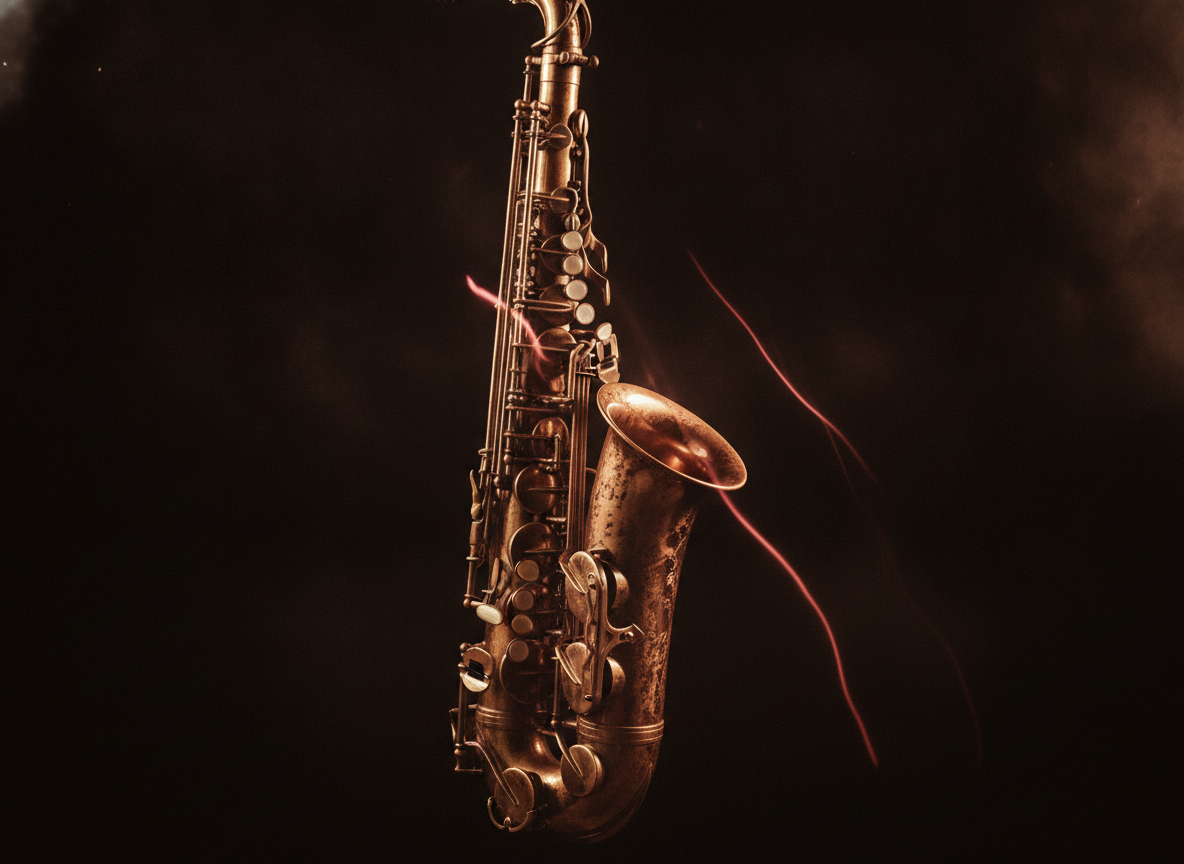
The wailing New Orleans horn section was the secret weapon behind the hits.
Little RichardVocals, pianoThe shouting, gospel-trained voice and the hammering piano that drove every record
Bumps BlackwellProducer / arrangerShaped the Specialty sessions in New Orleans and Los Angeles, helping turn "Tutti Frutti" into a hit and defining the sound of the classic singles
Lee AllenTenor saxophoneA New Orleans session great whose driving solos and section work powered many of the early rockers
Alvin "Red" TylerBaritone saxophoneAnchored the horn section on the New Orleans sessions, part of the studio team behind a run of 1950s hits
Earl PalmerDrumsThe New Orleans drummer whose hard backbeat on these records helped set the rhythmic template for rock and roll
The Roots of the Sound
Influences
Little Richard built his sound from the music around him growing up: shouting gospel, jump blues, and the rolling thunder of boogie-woogie piano. Here is where it started.
Gospel
Sister Rosetta Tharpe
The guitar-slinging gospel star whose showmanship and rhythmic drive were a direct model. Richard cited her as an early inspiration after seeing her perform as a boy.
A towering gospel singer whose soaring cries and whoops fed directly into Richard's vocal style. The trademark falsetto shout traces straight back to this tradition.
The bandleader whose witty, hard-swinging jump blues bridged big-band swing and rock and roll, laying the groundwork for the up-tempo, horn-driven records Richard would make.
A master of the rolling, eight-to-the-bar boogie-woogie piano that Richard hammered into rock and roll. This is the left-hand engine under his hardest-driving songs.
An R&B shouter whose gospel-charged singing on records like "Good Rockin' Tonight" pointed the way toward the emotional intensity Richard brought to rock and roll.
A natural showman off stage as well as on, Little Richard gave lively, quotable interviews across his long career. His conversations are as full of energy as his records.
Interview · BBC Archive
Little Richard, 1972
A vivid archival conversation from the BBC's Late Night Line-Up, with Richard reflecting on his rise, his music, and the birth of rock and roll in his own irrepressible style.
Interview · Talk Show
The Dick Cavett Show
Richard was a favorite talk-show guest, and his appearances on The Dick Cavett Show capture the wit and showmanship that made him a star. Search YouTube for the full conversations.
Once the classic singles have you, Little Richard's world opens into gospel records, later comebacks, and the vast web of artists he shaped.
The Specialty Sessions. the deep box sets of his 1950s recordings, complete with alternate takes and studio chatter, are a master class in how these records were built.
The gospel records. albums like The King of the Gospel Singers show the sacred music that formed his voice and that he returned to again and again.
The later comebacks. records for Reprise and others in the late 1960s and 1970s, gathered on sets like The Complete Reprise Recordings, show him reworking his sound for new decades.
The legacy. listen for him in the Beatles, the Rolling Stones, James Brown, Otis Redding, David Bowie, and Prince, all of whom carried pieces of his sound forward.
The Way to Listen
Do yourself one favor: put on Here's Little Richard from start to finish, then work through Directly from My Heart. Play it loud. These were two-minute explosions built to move a room, and they still do.