Junkyard Blues • Beat Balladeer • Experimental Songcraft
How a late-night piano-bar balladeer blew up his own sound in the 1980s and rebuilt it out of junkyard percussion and broken instruments, becoming one of the most singular voices in American music.
The Short Version
Who Is This?
Tom Waits is an American singer, songwriter, and actor with one of the most recognizable voices in music: a cracked, gravelly growl that sounds like it was aged in a whiskey barrel. Across five decades he has written some of the strangest and most beautiful songs in the American canon, and built a world all his own out of barrooms, back alleys, carnivals, and junkyards.
Two things make him singular. First, the reinvention: he started in the 1970s as a boozy, jazzy piano balladeer, then in the 1980s tore that persona down and rebuilt his sound around clattering junkyard percussion, broken instruments, and avant-garde noise. Most artists have one voice; Waits has at least two completely different ones. Second, the writing: his songs are full of vivid, novelistic characters and hard-luck poetry, closer to short fiction than pop.
He is not always an easy listen, especially the later, wilder records, but he is one of the great originals. If you want a songwriter who built an entire universe and never once chased a trend, start here.
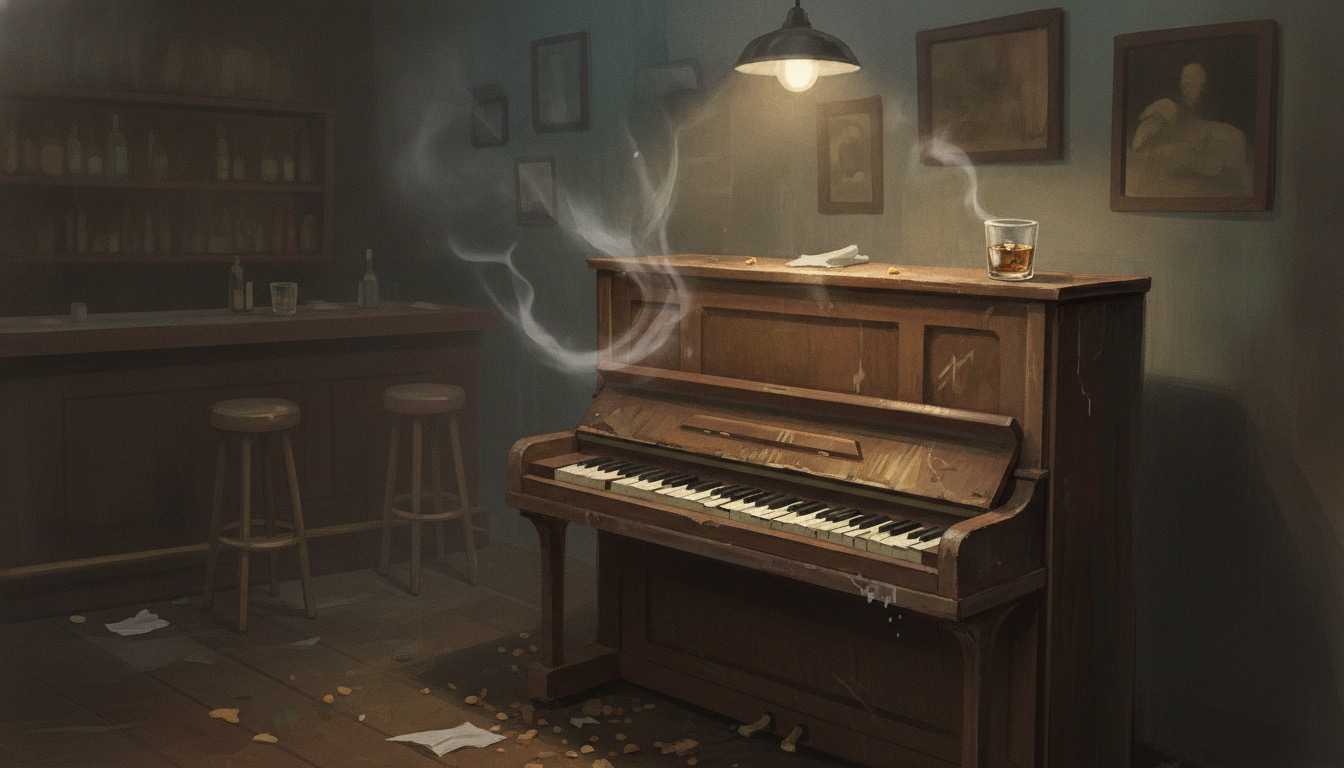
The late-night barroom where it all started.From the Piano Bar to the Junkyard
The Story
Tom Waits's story splits neatly in two: the boozy balladeer of the 1970s, and the junkyard experimentalist he became after.
1973
Closing Time
His debut cast him as a jazzy, late-night piano balladeer. "Ol' 55" was covered by the Eagles, and the beat-poet, barroom persona was born.
1976
Small Change
The peak of the early era: strings, upright bass, and slurred, cinematic ballads like "Tom Traubert's Blues." He had perfected the drunk-poet character, maybe too well.
1980
Meeting Kathleen Brennan
He married Kathleen Brennan, who became his creative partner and co-writer. Her taste for the strange and experimental helped push him to blow up his old sound entirely.
1983
Swordfishtrombones
The great reinvention: junkyard percussion, marimba, broken horns, and no strings. He left his old label, started self-producing, and became an avant-garde original overnight.
1985
Rain Dogs
The masterpiece of the new sound, a sprawling, carnival-blues epic with "Downtown Train," "Jockey Full of Bourbon," and "Time." For many fans, the single greatest Tom Waits album.
1992
Bone Machine
A dark, percussive, death-haunted record made in a concrete room, which won a Grammy and stands as the harshest, most primal corner of his catalog.
1999
Mule Variations, and beyond
A warm, bluesy, Grammy-winning return that balanced his two sides, followed by more experiments (Alice, Blood Money, Real Gone) and a Rock and Roll Hall of Fame induction in 2011.
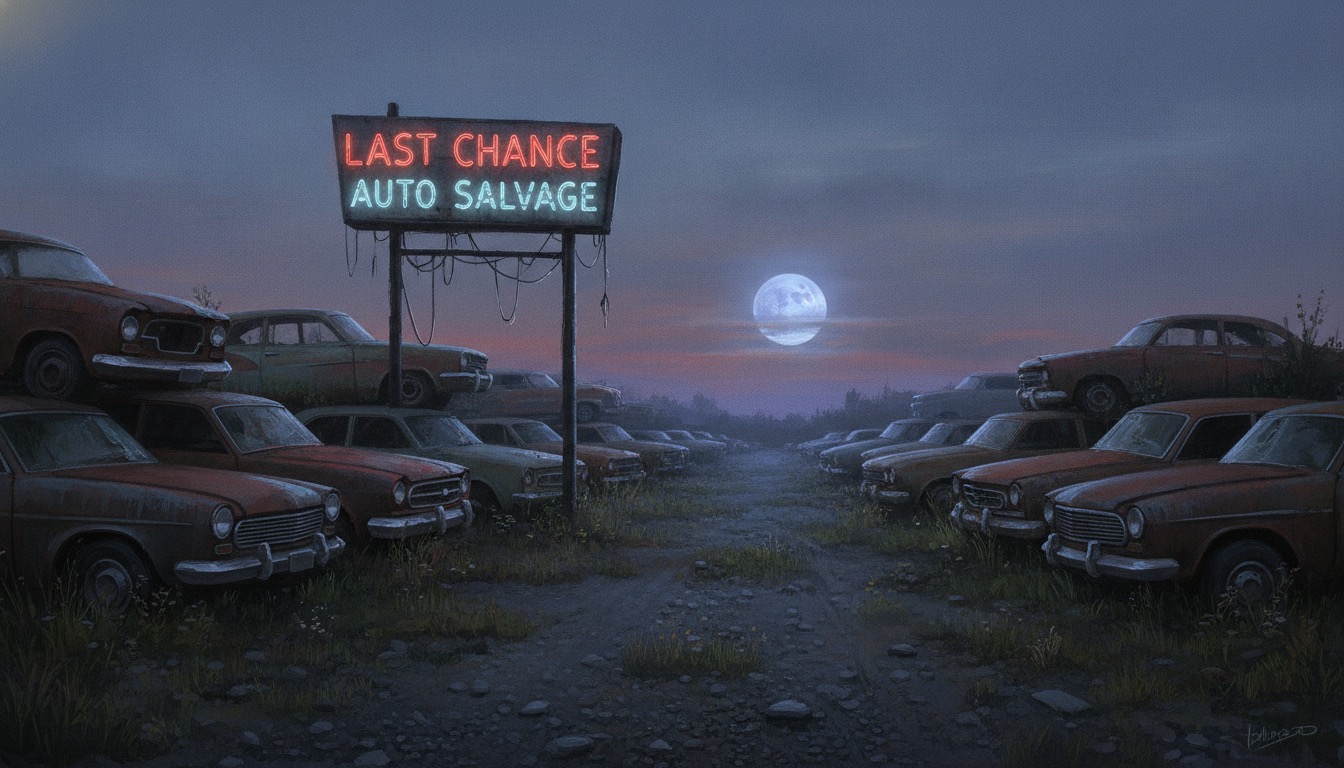
The junkyard aesthetic of the later, wilder records.Three Songs, One Education
Start Here
Three songs that map the divide: an accessible, much-covered ballad, the junkyard reinvention, and a warm late-career masterwork. Listen in order.
01 · The Way In
"Downtown Train" — 1985
One of his most accessible and most covered songs (Rod Stewart took it to the charts), a soaring, romantic ballad. The easiest first door into his world.
02 · The Reinvention
"Jockey Full of Bourbon" — 1985
A lurching, noir-blues stagger from Rain Dogs, later used in Jim Jarmusch's Down by Law. This is the strange, singular Waits the reinvention unlocked.
03 · The Late Master
"Hold On" — 1999
A gorgeous, weary, hopeful ballad from Mule Variations that balances both sides of him, and proof the songwriting only deepened with age.
The Studio Catalog
The Albums 6 to start with
A catalog with a hard hinge in the middle, from boozy balladeer to junkyard visionary. The gold-topped cards mark the best entry points; the moss-green marks the early era.
1973
Closing Time
The jazzy, late-night debut that launched the piano-balladeer persona. Home to "Ol' 55" and "Martha," and the warmest place to meet his early self.
One curated YouTube Music playlist gathering the essentials across both eras, from the piano-bar ballads to the junkyard blues. (Ideally, though, spend time with these albums whole.) Hit the button below to play it.
Essentials
Across the Catalog · 12 tracks
Ol' 55Closing Time
MarthaClosing Time
The Heart of Saturday NightHeart of Saturday Night
Tom Waits is a solo artist, but he is really a world-builder. The voice is the first thing everyone notices, a cracked, gravel-and-smoke growl that he has deepened and roughened over the years until it sounds like an instrument no one else owns. It can be tender or terrifying, sometimes in the same song.
The great turning point was creative and personal at once. After marrying Kathleen Brennan, who co-writes and co-produces much of his best work, Waits abandoned the polished balladeer sound and started building songs out of found percussion, pump organs, broken horns, and noise. It was one of the boldest reinventions in popular music, and it freed him completely.
The writing is where the real magic lives. His songs are populated by drifters, sailors, criminals, and dreamers, rendered in vivid, novelistic detail, and his sense of imagery is closer to a Beat poet or a short-story writer than a pop songwriter. Even his strangest records are full of genuine feeling under the clatter.
He is also a fine actor, turning up in films by Jim Jarmusch, Francis Ford Coppola, and others, which feeds back into the theatrical, character-driven quality of his music. Everything he does is part of the same singular, handmade world.
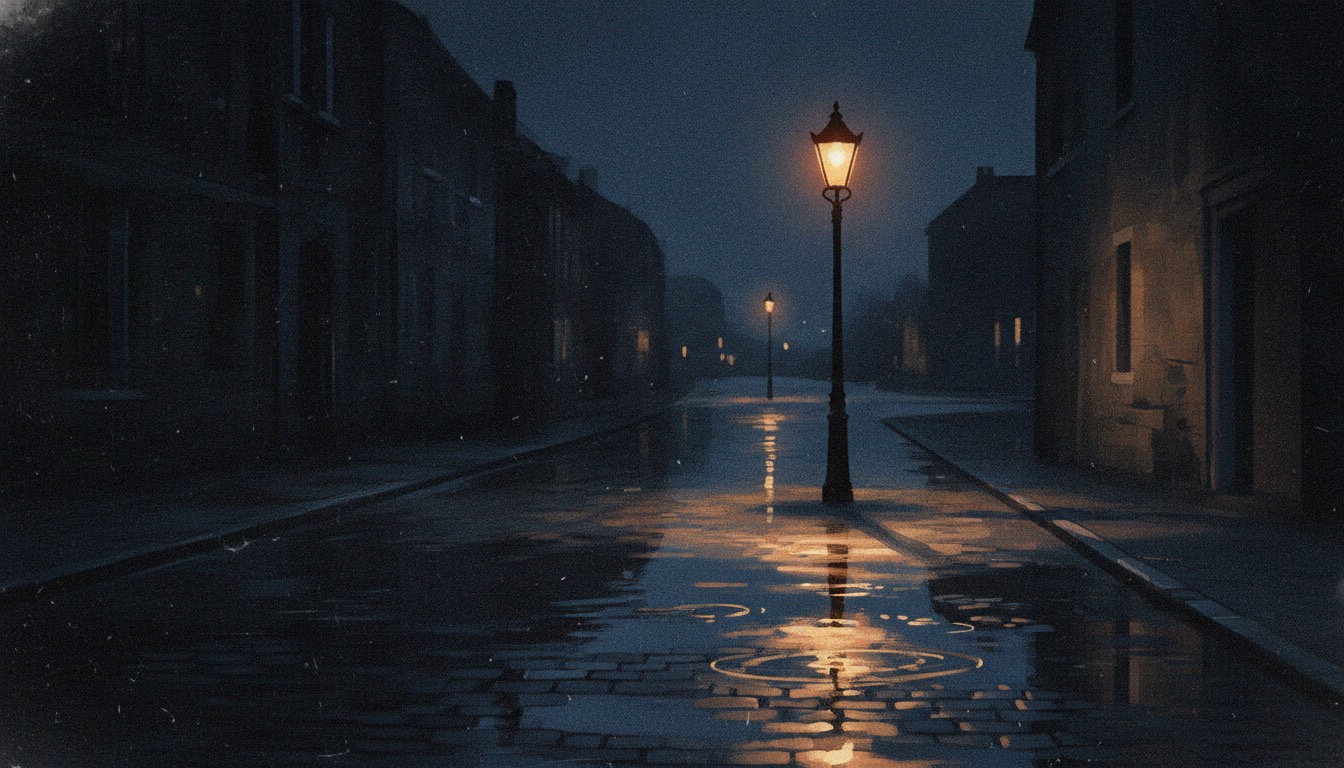
The noir, after-hours world his songs live in.The Roots of the Sound
Influences
Waits fuses beat poetry, old blues, early jazz, and avant-garde noise. Here are four of the essential touchstones.
The Songwriter
Bob Dylan
Dylan's example, that a songwriter could be a poet and a character at once, runs underneath everything Waits does, especially the vivid, literary storytelling.
The warm, raspy vocals and the sound of early New Orleans jazz are woven all through Waits's balladeer years and his sense of the old, romantic America.
Waits is a legendary interview: funny, evasive, and full of tall tales and one-liners. A classic late-night appearance, and a radio conversation from the Mule Variations era.
Interview · Letterman
Live and in Conversation
A classic late-night television appearance pairing a performance with Waits's trademark deadpan, tall-tale interview style. As good an introduction to the man as the music.
Once the essentials have you, the corners of the catalog are deep and strange.
The other early records — The Heart of Saturday Night and Blue Valentine round out the boozy-balladeer years beautifully.
Franks Wild Years — the 1987 album, tied to a stage play, completes the great mid-eighties trilogy with Swordfishtrombones and Rain Dogs.
The theatrical records — Alice and Blood Money (both 2002), written for stage productions, are among his most gorgeous and overlooked.
The films — his acting work, especially in Jim Jarmusch's movies, is a natural extension of the characters in his songs.
The Way to Listen
Start with Rain Dogs front to back. It sits right at the peak of his reinvention and holds both the accessible songs and the wild ones, making the clearest single case for why Tom Waits is one of a kind.