How four schoolmates from Dublin grew out of the post-punk clubs of the late 1970s into one of the biggest arena-rock bands in the world, built around the ringing, delay-driven guitar of The Edge and the wide-open voice of Bono.
The Short Version
Who Are They?
U2 are an Irish rock band formed in Dublin in 1976. The lineup has stayed the same across the whole career: Bono on lead vocals, The Edge on guitar and keyboards, Adam Clayton on bass, and Larry Mullen Jr. on drums, who pinned the original notice to a school bulletin board that brought them together.
Two things define the sound. First, the guitar: The Edge built a signature style out of chiming, rhythmic figures and heavy use of delay, favoring texture and space over the usual rock lead. Second, the scale: from spare post-punk beginnings the band moved steadily toward large, open arrangements built for arenas and stadiums.
Across five decades U2 have moved from the raw records of the early 1980s through the landmark The Joshua Tree to the studio reinvention of Achtung Baby and beyond, remaining one of the most widely heard rock bands of the modern era.
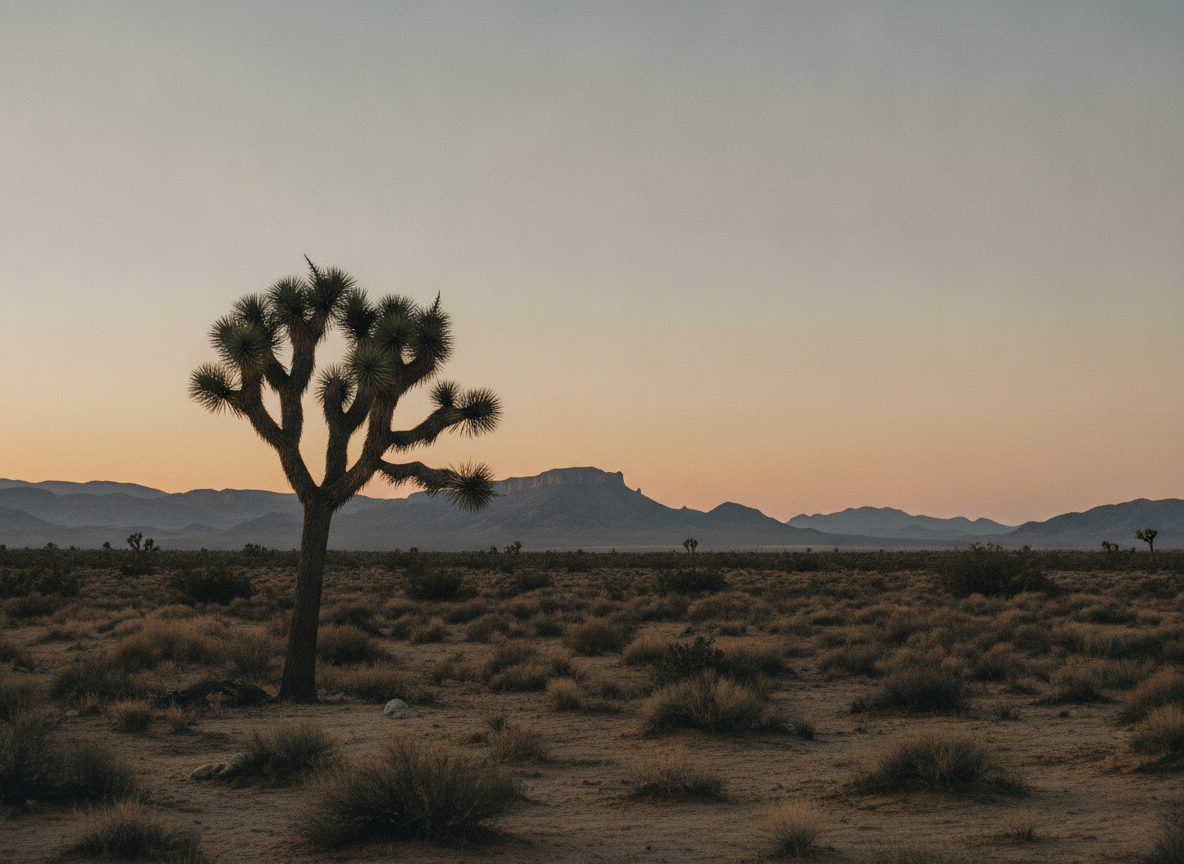
The wide desert imagery of the band's most famous era.From A Dublin Bulletin Board to the Stadiums
The Story
U2's career is a steady series of reinventions built on a single unchanged lineup, each phase reworking the sound while keeping the four members at the center.
Dublin's post-punk clubs, where the band first took shape.
1976
Dublin beginnings
Larry Mullen Jr. posted a note at Mount Temple school looking for musicians. Bono, The Edge, and Adam Clayton answered, and the four settled into the lineup that would stay intact for the entire career.
1980–1981
Boy and October
Working with producer Steve Lillywhite, the band released the debut Boy in 1980 and October in 1981, establishing the ringing guitar textures and open, atmospheric sound of their early records.
1983
War
War gave the band its first commercial breakthrough, a tougher, more direct record whose songs became fixtures of their live set and pushed them onto larger stages.
1984–1985
Brian Eno and Daniel Lanois
For The Unforgettable Fire the band brought in producers Brian Eno and Daniel Lanois, who opened up the arrangements into a more textured, ambient sound that would shape the rest of the decade.
1987
The Joshua Tree
The commercial and critical peak. The Joshua Tree topped charts around the world and turned U2 into one of the largest bands on the planet, drawing on wide-open American imagery and sound.
1991
Achtung Baby
Recorded largely in Berlin, Achtung Baby reinvented the band with a denser, more electronic and layered approach, launching the ambitious multimedia Zoo TV tours of the 1990s.
2000–now
The later era
Beginning with All That You Can't Leave Behind in 2000, the band returned to a more direct rock sound and continued to record and mount large-scale tours well into the following decades.
Four Songs, One Education
Start Here
The catalog is large, but these four official videos are the fastest way to hear the band's range, from the arena anthems of the 1980s to the reinvented sound that followed. Watch in order.
01 · The Signature
"With or Without You" (1987)
From The Joshua Tree, a slow build over a steady bass pulse and The Edge's shimmering, sustained guitar. The clearest single introduction to the band's sound.
02 · The Opener
"Where the Streets Have No Name" (1987)
The chiming, arpeggiated guitar intro that opens The Joshua Tree and most of the band's concerts, built to fill a stadium. A model of The Edge's delay-driven style.
03 · The Turn
"One" (1991)
A centerpiece of Achtung Baby and the bridge into the band's reinvented 1990s sound: warmer, more textured, and built on a slow, deliberate arrangement.
04 · The Return
"Beautiful Day" (2000)
The lead single from All That You Can't Leave Behind, a bright, direct return to the band's classic guitar sound and their most successful song of the 2000s.
The Landmark Records
The Albums 6 to start with
U2 have released fourteen studio albums. These six trace the arc from the early Dublin records to the reinvention of the 1990s. The blue-topped card is the best place to begin.
1980
Boy
The debut, produced by Steve Lillywhite. It introduced The Edge's ringing guitar and the band's open, atmospheric sound, with early standards like "I Will Follow."
The first record with Brian Eno and Daniel Lanois, who opened the arrangements into a more textured, ambient sound and set the template for the rest of the decade.
The peak, and a perfect place to start. A worldwide number one drawing on wide-open American imagery and sound, from "Where the Streets Have No Name" to "With or Without You."
The great reinvention, recorded largely in Berlin. A denser, more electronic and layered record that reset the band's sound and launched the Zoo TV era.
Two YouTube Music sets: a First Listen of the signature songs to bring you in, and a Deep Cuts set of the longer, headphone-reward pieces for when you want to sink in. (Ideally, though, hear these albums whole.) Hit the button on either card to play it.
First Listen
The Signatures · 9 tracks
Where the Streets Have No NameJoshua Tree
With or Without YouJoshua Tree
I Still Haven't Found What I'm Looking ForJoshua Tree
U2 have kept the same four members for the whole of their career, framed on their most famous records by two producers who reshaped the sound.
The arena stage the band built its sound to fill.
BonoLead vocalsThe frontman and lead singer, whose wide, open voice defines the band's sound and its large-scale live performances
The EdgeGuitar / keyboardsBuilt a signature style from chiming, rhythmic figures and heavy use of delay, favoring texture and space over conventional rock lead lines
Adam ClaytonBassThe steady, melodic bass anchor at the bottom of the band's arrangements since the beginning
Larry Mullen Jr.DrumsThe drummer who first posted the notice that formed the band, and its rhythmic foundation ever since
Brian Eno & Daniel LanoisProducersShaped the band's most celebrated records from The Unforgettable Fire onward, opening the arrangements into a more textured, ambient sound
The Roots of the Sound
Influences
U2 came up out of the punk and post-punk energy of the late 1970s, drawing on the raw guitar bands and songwriters that shaped a generation of young groups in Britain and Ireland.
Punk
The Ramones
The fast, stripped-down New York band whose short, direct songs were an early spark for countless young groups, U2 among them.
A lasting touchstone, especially the Berlin-era records he made with Brian Eno, whose textured, experimental approach shaped the band's own reinventions.
Much of the band's story lives in how The Edge builds his guitar sound and how the four members talk about their long working partnership.
Interview · Archive
The Edge on His Guitar Rig
A close look at how The Edge builds his signature sound, walking through the delay units and effects that turn a few notes into the band's wide, chiming texture.
Interview · Archive
More Conversations
From early television appearances to long-form retrospectives, the band's interviews trace a rare four-decade partnership among the same four members. Search YouTube for clips and conversations.
Once the landmark albums have you, the band's world opens into later records, live releases, and reissues.
The later albums. All That You Can't Leave Behind, How to Dismantle an Atomic Bomb, and the records that followed carried the band's classic sound into the 2000s.
The 1990s experiments. Zooropa and Pop pushed the electronic, layered direction of Achtung Baby further, and reward a closer listen.
Rattle and Hum. the 1988 album and film that documented the band's immersion in American roots music at the height of the Joshua Tree era.
The reissues. the anniversary editions of Boy, The Joshua Tree, and Achtung Baby collect B-sides, alternate takes, and live recordings.
The Way to Listen
Do yourself one favor: put on The Joshua Tree from start to finish, then Achtung Baby. The first shows the band at its widest and clearest; the second shows how completely it could remake itself.