The British power trio of Eric Clapton, Jack Bruce, and Ginger Baker who combined virtuoso blues playing with extended improvisation and psychedelic songwriting across a brief, influential run from 1966 to 1968.
The Short Version
Who Were They?
Cream were a British rock trio formed in London in 1966 by guitarist Eric Clapton, bassist and vocalist Jack Bruce, and drummer Ginger Baker. Each member arrived with an established reputation from the London blues and rhythm-and-blues scene, and the group is widely cited as one of the first rock supergroups.
Two things define the band. First, the musicianship: all three were regarded as leading players on their instruments, and their records paired tightly written songs with long, blues-based instrumental improvisation. Second, the brevity: Cream released four albums and disbanded in November 1968, little more than two years after forming, yet they had a lasting effect on hard rock, blues-rock, and the power-trio format.
Their sound bridged Chicago and Delta blues, psychedelic pop, and heavy amplified rock, and it helped shape the direction of rock music in the late 1960s.
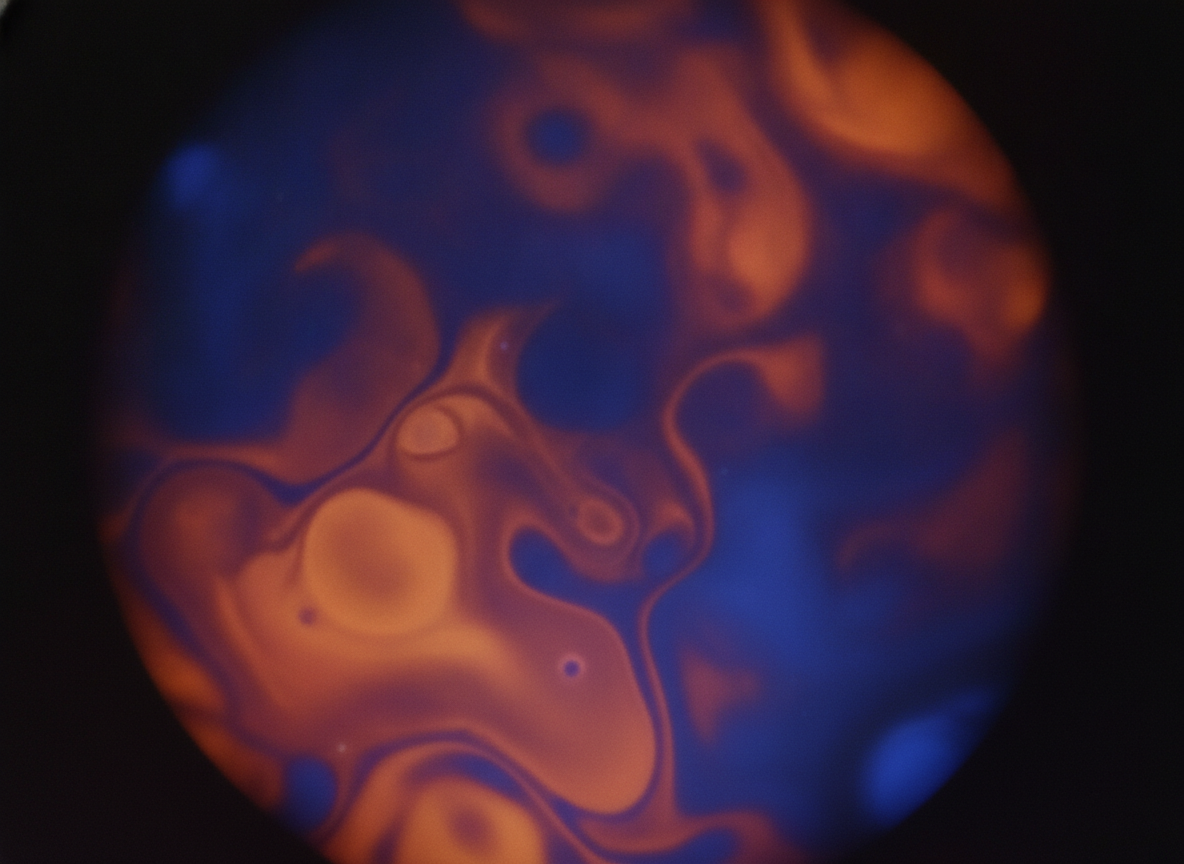
Liquid-light projection, the visual language of the psychedelic ballrooms Cream played.From the London Blues Scene to a Farewell at the Royal Albert Hall
The Story
Cream's history is short and concentrated: a rapid rise out of the British blues circuit, four albums in roughly two years, and a farewell tour at the peak of their fame.
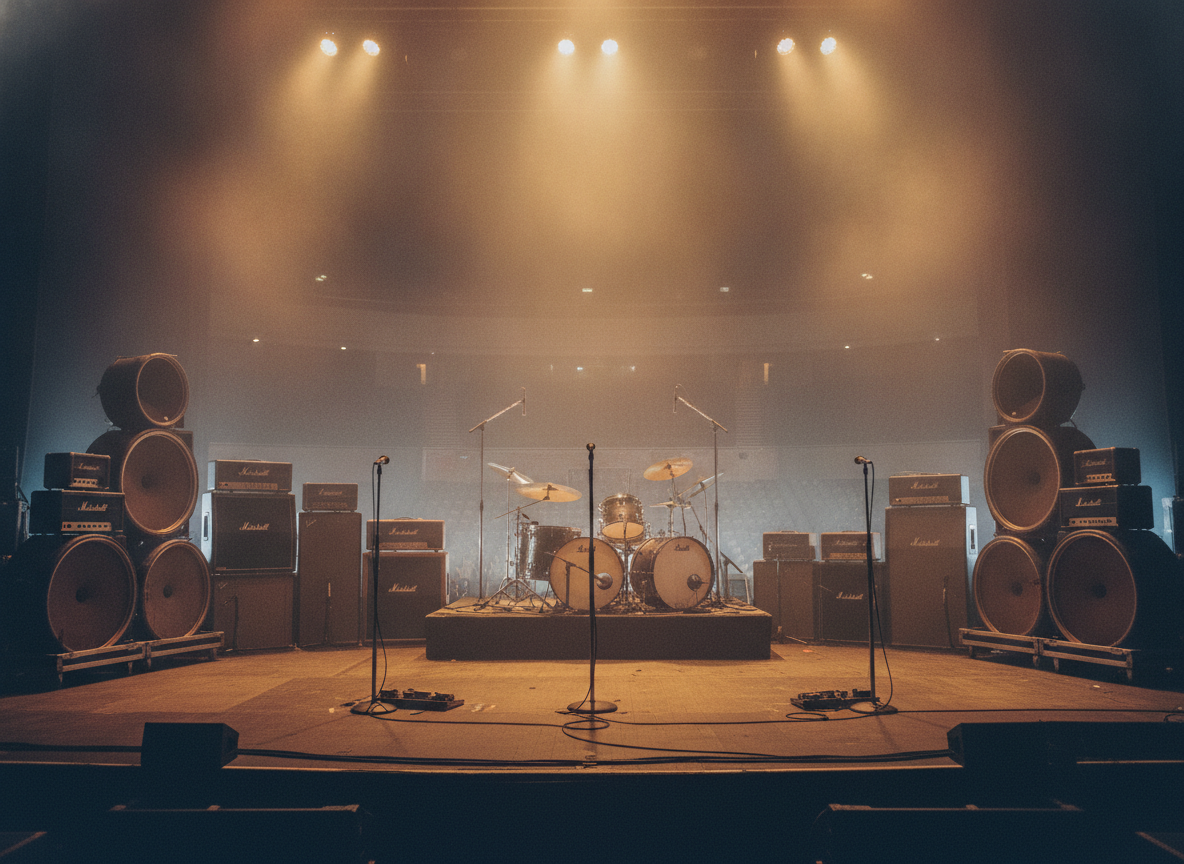
Walls of amplifiers and long improvisation, the template Cream set for the power trio.
1966
The trio forms
Clapton left John Mayall's Bluesbreakers, and he joined with Bruce, formerly of Manfred Mann and the Graham Bond Organisation, and Baker, also from the Graham Bond Organisation. The band debuted live in the summer of 1966.
1966
Fresh Cream
The debut album, released in December 1966, combined blues covers with original songs such as "I Feel Free" and established the group's blend of blues and pop.
1967
Disraeli Gears
Recorded in New York and released in November 1967, the second album leaned into psychedelia and yielded "Sunshine of Your Love," "Strange Brew," and "Tales of Brave Ulysses."
1968
Wheels of Fire
A double album released in 1968, split between studio recordings and live performances captured at the Fillmore in San Francisco, it topped the US album chart and featured "White Room" and a live version of "Crossroads."
1968
The farewell tour
Amid internal tensions the group announced its breakup and played a farewell tour, closing with two concerts at London's Royal Albert Hall in November 1968.
1969
Goodbye
Released after the split in early 1969, the album mixed live and studio tracks and included "Badge," co-written by Clapton and George Harrison.
2005
Reunion
The three original members reunited for a series of concerts at the Royal Albert Hall in May 2005, later issued on CD and DVD. The band had been inducted into the Rock and Roll Hall of Fame in 1993.
Four Songs, One Education
Start Here
Cream's catalog is compact but wide-ranging, from tight psychedelic singles to long blues improvisation. These four performances are a fast way to grasp the band. Watch in order.
01 · The Signature
"Sunshine of Your Love" (1967)
Built on one of rock's most recognizable riffs, from Disraeli Gears. This official video captures the reunited trio performing it at the Royal Albert Hall in 2005.
02 · The Anthem
"White Room" (1968)
A Wheels of Fire centerpiece, framed by Bruce's vocal and Clapton's wah-wah guitar. Performed here at the 2005 reunion shows.
03 · The Blues Workout
"Crossroads" (1968)
Cream's electric arrangement of a Robert Johnson blues, first released as a live recording on Wheels of Fire and long a showcase for the band's improvisation.
04 · The Debut Single
"I Feel Free" (1966)
An early single associated with Fresh Cream, its layered vocals and pop structure showing the band's melodic side alongside the blues.
The Studio Records
The Albums 4 to start with
Cream released four albums during their short career. Together they trace the arc from blues covers to psychedelia to the double-album mix of studio and live recording. The blue-topped card is a good place to begin.
1966
Fresh Cream
The debut, released in December 1966, pairing blues standards such as "Spoonful" and "Rollin' and Tumblin'" with originals including "I Feel Free," "N.S.U.," and "Sweet Wine."
The psychedelic second album, recorded in New York and released in November 1967. It contains "Sunshine of Your Love," "Strange Brew," "Tales of Brave Ulysses," and "SWLABR," and is a common entry point.
A double album split between studio and live sides, released in 1968 and a US number-one. It holds the studio "White Room" and "Politician" alongside live versions of "Crossroads" and "Spoonful" from the Fillmore.
The final album, released after the breakup in early 1969, combining live recordings from the farewell tour with three studio tracks, among them "Badge," co-written by Clapton and George Harrison.
Two YouTube Music sets: a First Listen of the signature songs to bring you in, and a Deep Cuts set of the longer, blues-based pieces for when you want to sink in. (Ideally, though, hear these albums whole.) Hit the button on either card to play it.
Cream was a three-piece with no fixed frontman, built on the interplay of three players who each came from the British blues and rhythm-and-blues scene.
Three instruments, no rhythm guitar, and a great deal of room to improvise.
Eric ClaptonGuitar / vocalsFormerly of the Yardbirds and John Mayall's Bluesbreakers, his blues-based lead guitar anchored the band's sound
Jack BruceBass / lead vocalsA trained musician who sang most of the material and co-wrote much of it with lyricist Pete Brown, his melodic bass playing was central to the group
Ginger BakerDrumsKnown for a jazz-influenced style and extended solos such as "Toad," he was a founding force behind the band's improvisational approach
The Roots of the Sound
Influences
Cream drew heavily on American blues, reworking material by Delta and Chicago artists and modeling their playing on the blues tradition. Here is where the sound came from.
Delta Blues
Robert Johnson
The Mississippi bluesman whose "Cross Road Blues" the band reworked as "Crossroads," one of Cream's best-known recordings.
The three members reflected on Cream's formation, breakup, and legacy in numerous interviews across the decades. A few are worth seeking out.
Interview · Archive
On Founding Cream
A 1991 conversation in which Ginger Baker and Jack Bruce recall how the trio came together out of the London blues and rhythm-and-blues scene.
Interview · Documentary
The Filmed Portraits
The Classic Albums episode on Disraeli Gears and the filmed 2005 Royal Albert Hall reunion collect extended interviews with all three members. Search YouTube for clips and conversations.
Once the four albums have you, Cream's world opens into live recordings, reissues, and the later work of its members.
Live Cream. two volumes of concert recordings, Live Cream (1970) and Live Cream Volume II (1972), documenting the band's onstage improvisation.
The Royal Albert Hall reunion. Royal Albert Hall London May 2-3-5-6, 2005, the CD and DVD release of the original trio's reunion concerts.
The members' later work. Clapton's solo career and Derek and the Dominos, Bruce's solo albums, and Baker's projects including Blind Faith and Ginger Baker's Air Force.
Box sets. compilations such as Those Were the Days gather the studio and live catalog with rarities for a fuller view.
The Way to Listen
Do yourself one favor: put on Disraeli Gears from start to finish, then the studio side of Wheels of Fire. Cream were a live band as much as a studio one, so follow those with the live "Crossroads" to hear how far they stretched the songs.