The North Mississippi farmer and slide guitarist whose hypnotic, droning bottleneck style was captured on tape by Alan Lomax in 1959, making him one of the defining voices of the 1960s blues revival.
The Short Version
Who Is He?
Mississippi Fred McDowell (1904–1972) was an American blues singer and slide guitarist associated with the North Mississippi hill country, the region east of the Delta around Como and Senatobia. He spent most of his life as a farm worker and played locally for decades before he was recorded, so he arrived on record as a fully formed musician rather than a young performer.
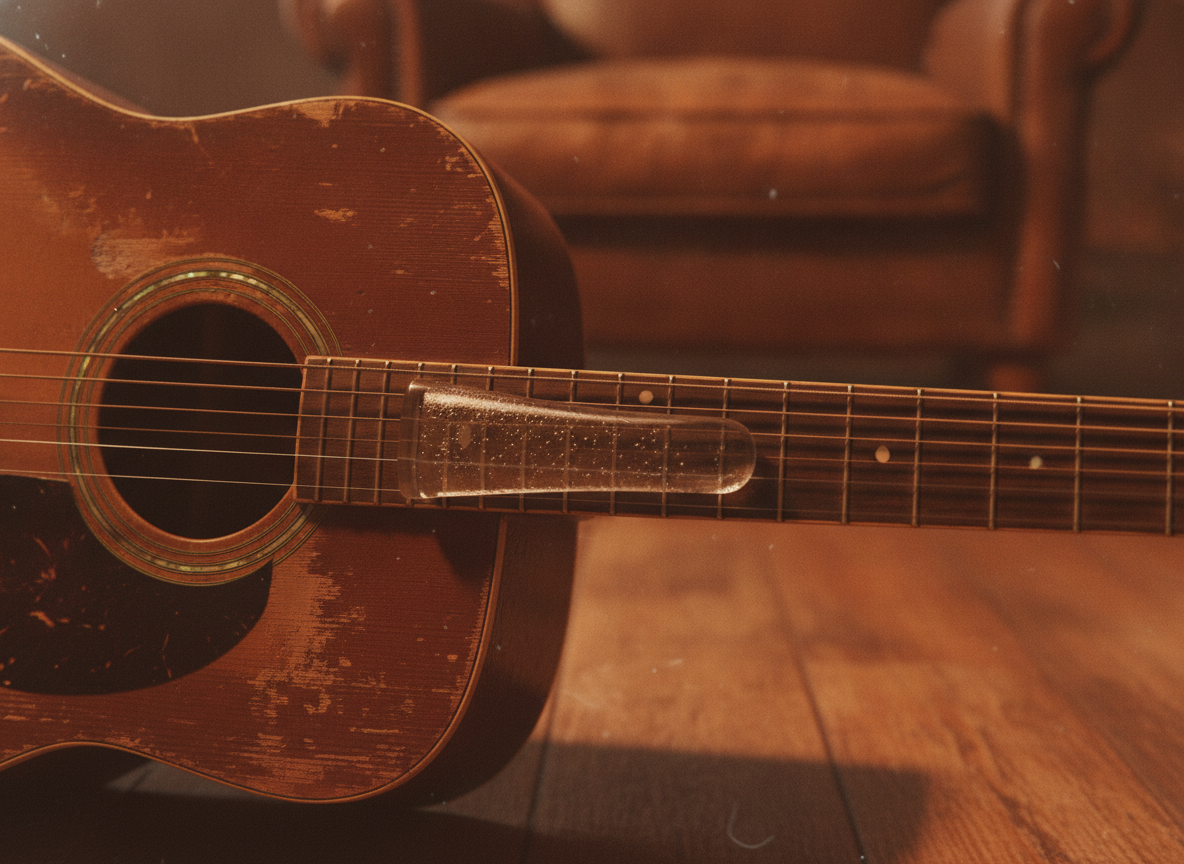
His music is built on a hypnotic, droning slide-guitar style. Rather than the chord changes of much Delta blues, McDowell often held to one repeating figure, playing melody and rhythm at once with a bottleneck or a smoothed section of bone or metal on his finger. That trance-like, one-chord approach is the signature sound of the hill country tradition.
He was recorded in the field by folklorist Alan Lomax in 1959, and over the following decade he became a major figure of the 1960s blues revival, touring folk and blues festivals and influencing a generation of rock and blues players.
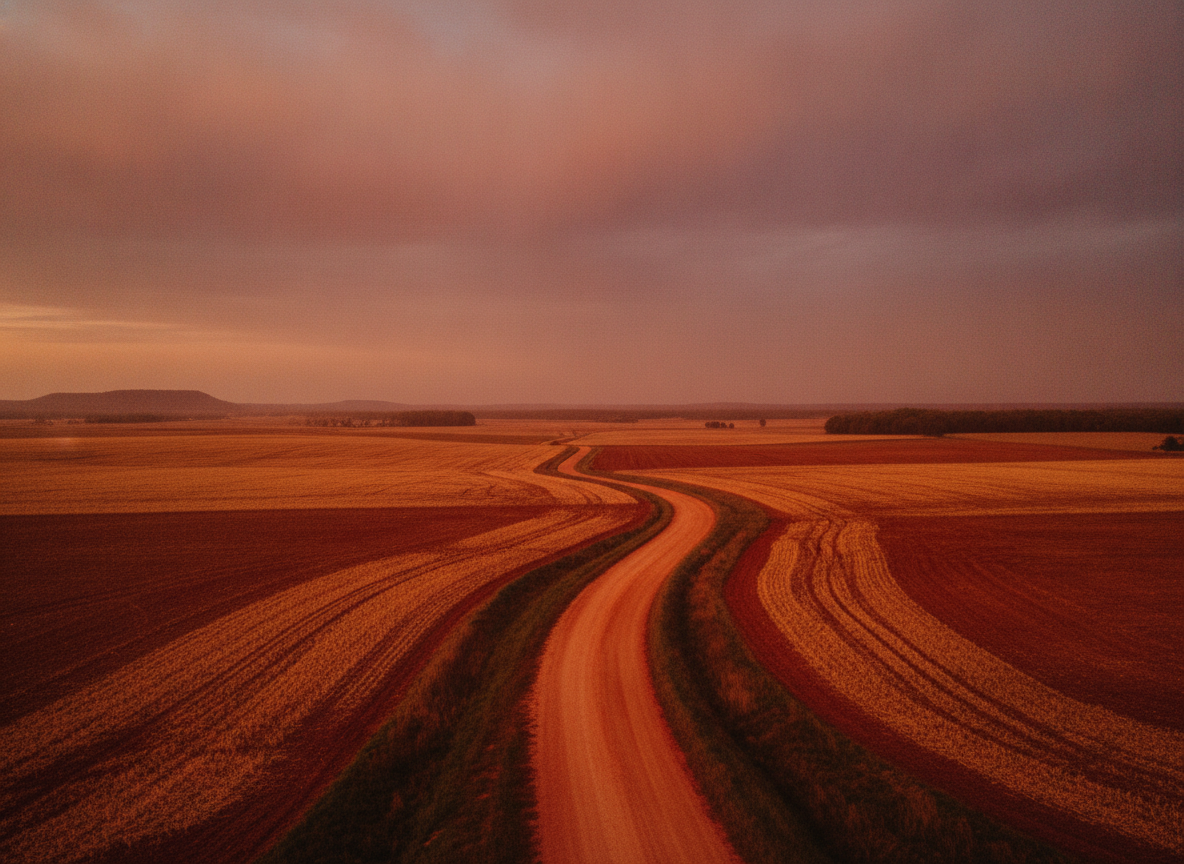
The North Mississippi hill country, the ground this music grows from.From a Mississippi Farm to the Festival Stage
The Story
McDowell's story is unusual among blues legends: he was already in his fifties, and had been playing for decades, when the wider world first heard him. His late discovery placed a deep, older tradition directly into the folk and rock era.
Bottleneck slide, one repeating figure, and a voice worn by decades of farm work.
1904
Rossville roots
Born near Rossville, Tennessee, McDowell learned guitar as a young man and later settled around Como and Senatobia in the North Mississippi hill country, working as a farmer and playing at local dances and gatherings.
1959
The Lomax field recordings
Folklorist Alan Lomax and Shirley Collins recorded McDowell in Mississippi during a Southern field-recording trip. These recordings introduced his droning slide style to a national audience and set his later career in motion.
1960s
The blues revival
As folk and blues audiences grew, McDowell recorded a string of albums for independent labels and appeared at festivals and coffeehouses across the United States and Europe, becoming one of the most visible figures of the country-blues revival.
1965–1969
The records that defined him
Sessions for labels including Arhoolie and Capitol produced the albums most listeners start with, capturing both his solo acoustic slide work and, later, an electric guitar sound.
Late 1960s
Influence on rock
His songs and style reached rock audiences, most famously through the Rolling Stones, who recorded his arrangement of "You Gotta Move," carrying the hill country sound to a mass audience.
1972
Legacy
McDowell died in 1972. His recordings became a foundation for the North Mississippi hill country blues that later players and bands would carry forward.
A Few Songs, One Education
Start Here
McDowell's catalog is largely built from traditional and blues standards remade in his own droning slide style. These recordings are the fastest way to hear the sound. Use the buttons to find them on YouTube.
01 · The Standard
"You Gotta Move"
The spiritual most associated with McDowell, later recorded by the Rolling Stones. His slide guitar and voice move in a slow, hypnotic lockstep, a clear window into the hill country style.
A rolling, driving blues that McDowell made his own, built on a single insistent figure. One of the most direct examples of his one-chord, trance-like approach.
A blues shaped around the great Mississippi highway, sung in McDowell's plain, weathered voice over steady bottleneck slide. A staple of his live sets.
McDowell recorded prolifically once he was discovered, much of it live or in single-take studio sessions. These five collections are the pillars, spanning the Lomax field recordings, his defining acoustic albums, and his gospel and later work. The blue-topped card is the best place to begin.
Field
The Alan Lomax Recordings
The 1959 field recordings that started it all. Raw and intimate, captured in Mississippi, they preserve McDowell's droning slide and voice before any studio polish, the essential document of his origins.
The classic solo acoustic album for Arhoolie and a perfect place to start. Just voice and slide guitar, it captures the hill country sound at its purest, from blues to spirituals.
A gospel set recorded with a church congregation, showing the sacred side of McDowell's repertoire. His slide guitar frames hymns and spirituals in the same hypnotic style.
A concert recording that captures McDowell as a performer, working a room with just his guitar and voice. The live setting brings out the drive and momentum of his playing.
Two YouTube Music setlists: a First Listen of the signature songs to bring you in, and a Deep Cuts set for when you want to sink further into the catalog. (Ideally, though, hear these albums whole.) Hit the button on either card to search them out.
McDowell was largely a solo performer, one voice and one guitar, so his story on record is bound up with the folklorists and labels who captured him and carried the hill country sound outward.
From local dances to festival stages, the records did the traveling.
Alan LomaxFolklorist / field recordingsRecorded McDowell in Mississippi in 1959 during a Southern field trip, the sessions that introduced his droning slide style to a national audience
Shirley CollinsField-recording collaboratorAccompanied Lomax on the 1959 Southern journey that captured McDowell and other traditional musicians
Arhoolie RecordsIndependent blues labelIssued the classic solo acoustic albums that made McDowell a central figure of the country-blues revival
Capitol RecordsMajor labelReleased later McDowell recordings that reached a broader popular audience in the late 1960s
The Rolling StonesRock bandRecorded McDowell's arrangement of "You Gotta Move," carrying the hill country sound to a mass audience
The Roots of the Sound
Influences
McDowell's music sits inside the older Mississippi blues tradition, alongside the Delta and hill country players whose slide guitar and repeating figures shaped the sound he carried forward.
Delta
Charley Patton
A founding figure of Delta blues, whose heavy, percussive playing and rough voice set an early template for the Mississippi styles that surrounded McDowell.
A master of fierce, preaching Delta slide guitar. His intense bottleneck playing and vocal power run parallel to the raw, direct approach McDowell shared.
McDowell was filmed and recorded during the folk and blues revival, and archival performance footage is the best way to see his slide technique up close.
Interview · Archival
Interview and Playing
Archival footage of Mississippi Fred McDowell talking about his music and demonstrating his North Mississippi slide style.
Once the landmark records have you, McDowell's world opens into field tapes, live sets, and the hill country tradition he helped define.
The Lomax field recordings. the 1959 tapes are the origin point, and later archival releases gather more of the raw material captured in Mississippi.
The electric records. McDowell eventually plugged in, and his late-1960s electric sessions show the same style translated to amplified guitar.
The gospel sessions. his sacred recordings sit alongside the blues as a core part of the repertoire, played in the same hypnotic slide style.
The hill country lineage. McDowell is a cornerstone of the North Mississippi hill country blues that later Mississippi players and bands carried forward.
The Way to Listen
Do yourself one favor: put on the solo acoustic Mississippi Fred McDowell from start to finish, then the Lomax field recordings. Listen for the single repeating figure under the voice. The drone is the whole point.