Bill and Charlie Monroe, the brother duet whose blazing mandolin-and-guitar gospel and old-time records in the 1930s carried the seed that would grow into bluegrass.
The Short Version
Who Were They?
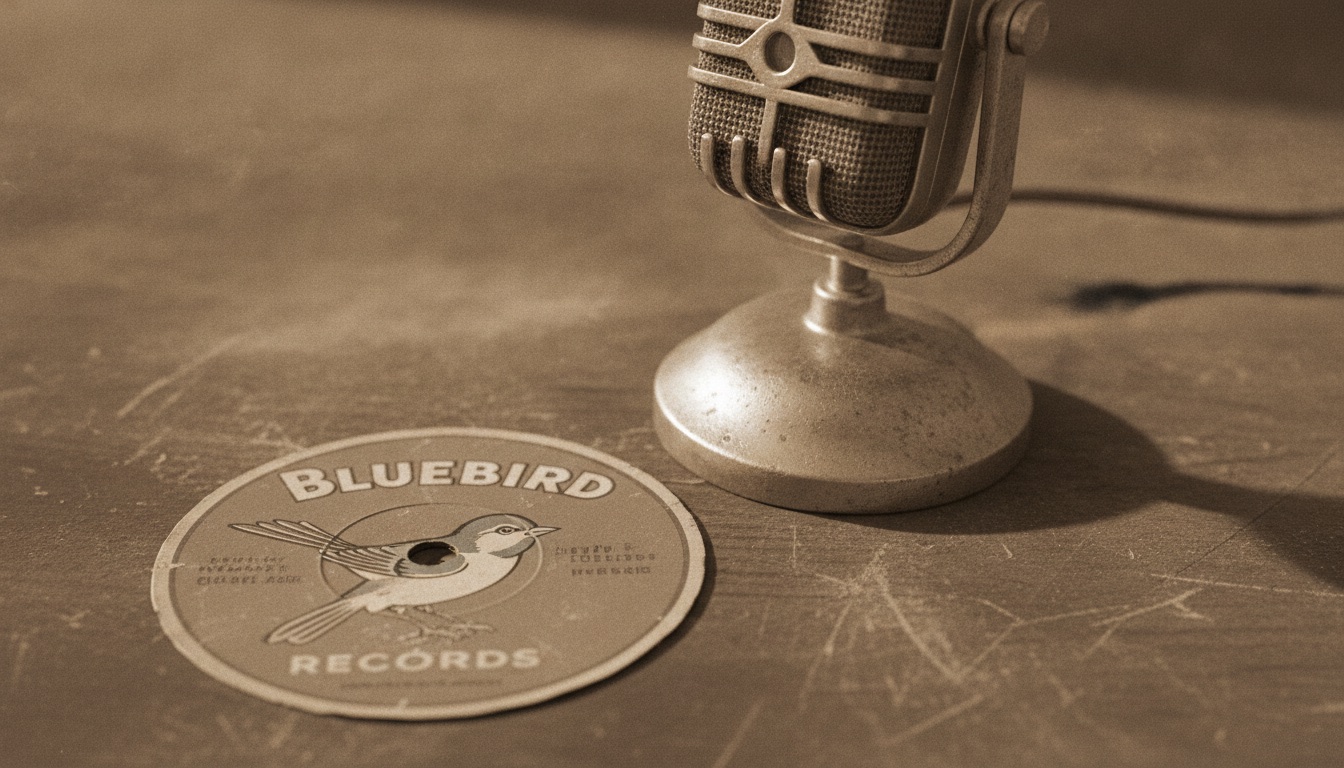
The Monroe Brothers were Bill Monroe on mandolin and Charlie Monroe on guitar, a Kentucky brother duet who became one of the most popular acts of the 1930s. Playing gospel and old-time songs at breakneck tempos with piercing high harmony, they recorded some sixty sides for RCA Victor's Bluebird label between 1936 and 1938.
They matter because of what came next. When the brothers split in 1938, Bill formed the Blue Grass Boys and went on to invent bluegrass outright. The drive, the harmony, and the repertoire of the Monroe Brothers are the seed that music grew from, which makes this duo the true starting point of the whole story.
Radio and the Bluebird label made them stars.From Rosine to the Bluebird Sessions
The Story
Their story is short but decisive: a few years of records that set everything that followed in motion.
Rosine, Kentucky, the country the brothers came from.
1930s
Brothers on the radio
Bill and Charlie Monroe, the youngest of a large musical Kentucky family, worked their way up through radio stations across the Midwest and South.
1936
The Bluebird sessions
They began recording for RCA Victor's Bluebird label, and their first release, "What Would You Give in Exchange for Your Soul," was a major hit.
1936–1938
Sixty sides
In just two years they cut around sixty recordings, gospel numbers and old-time songs sung in tight, high harmony over Bill's astonishing mandolin.
1938
The split
Tension between the brothers ended the act. Charlie formed the Kentucky Pardners; Bill formed the Blue Grass Boys.
1939 onward
Bluegrass is born
Bill's new band, joined a few years later by Earl Scruggs, would crystallize the genre that took its name from the Blue Grass Boys.
Three Recordings, One Introduction
Start Here
These three are the fastest way to hear the seed of bluegrass: the hit, the work-song burner, and the old-time favorite.
01 · The Hit
"What Would You Give in Exchange for Your Soul"
Their breakthrough, a gospel song that shows the piercing harmony and driving tempo that pointed toward bluegrass.
02 · The Burner
"Nine Pound Hammer Is Too Heavy"
A work-song favorite taken at a gallop, Bill's mandolin already hinting at what was coming.
03 · The Standard
"New River Train"
An old-time standard the brothers made their own, the kind of song still sung at jams everywhere.
The Catalog
The Essential Records where to find them
The Monroe Brothers recorded for only two years, so their whole output lives on a handful of compilations. These collect the Bluebird sessions.
1997
The Essential Bill Monroe & the Monroe Brothers
The best single-disc overview of the duo's recordings. Start here.
The Monroe Brothers took the gentle brother-duet format that filled 1930s radio and lit it on fire. Where most duos crooned, Bill and Charlie played fast and hard, with Charlie's steady guitar and lead vocal answered by Bill's ferocious mandolin runs and a tenor harmony so high and keen it seemed to cut the air. That intensity, applied to gospel songs and old-time standards, was something genuinely new, and audiences across the South responded.
You can hear the whole future of bluegrass in embryo here: the breakneck tempos, the "high lonesome" harmony, the mandolin as a lead voice rather than background rhythm. Everything Bill Monroe would formalize a few years later with the Blue Grass Boys is already present in rougher form, waiting for the banjo of Earl Scruggs and the lead guitar of the postwar years to complete it.
The split was bitter, and the brothers rarely performed together again, but both went on to long careers. Charlie's Kentucky Pardners kept the old sound alive; Bill's Blue Grass Boys changed American music. Looking back, the Monroe Brothers records are less a footnote than a first chapter, the moment the raw materials of bluegrass were assembled in one place.
The gospel songs at the heart of their repertoire.The Roots of the Sound
Influences
The brothers came out of the first generation of recorded country and the old-time string-band world. These are the sources.
The Singing Brakeman
Jimmie Rodgers
The father of country music, the era's biggest star and a model for every act that followed.
The Monroe Brothers lead directly into the birth of bluegrass and the old-time world around them.
Bill Monroe: the younger brother who took this sound and invented bluegrass. See the guide.
The Stanley Brothers: the next great brother act in the bluegrass tradition. See the guide.
The Carter Family: the old-time songbook the brothers drew on. See the guide.
Jimmie Rodgers: the era-defining star behind all of early country. See the guide.
Charlie Monroe's Kentucky Pardners: the elder brother's own long career after the split.
The Way to Listen
Listen for Bill's mandolin. On these 1936 records it is already doing things no one else was doing, and if you know where bluegrass goes, you can hear the whole genre about to happen.