The banjo-playing folk singer who turned a nation into a choir, championed traditional music, and made the folk revival a force for justice.
The Short Version
Who Was He?
Pete Seeger (1919–2014) was the single most important figure in the American folk revival, a banjo player, singer, songwriter, and lifelong activist who believed a song could change the world and spent ninety-four years trying to prove it. More than any performer, he made folk music a participatory act, teaching millions of people to sing along.
For bluegrass, Seeger matters because he and his fellow folk revivalists worked to expose their huge new audience to traditional American music. The college tours and festivals of the 1960s that gave bluegrass a second life grew out of the world Seeger helped build, which is why he sits near the root of the folk-revival branch of the family tree.
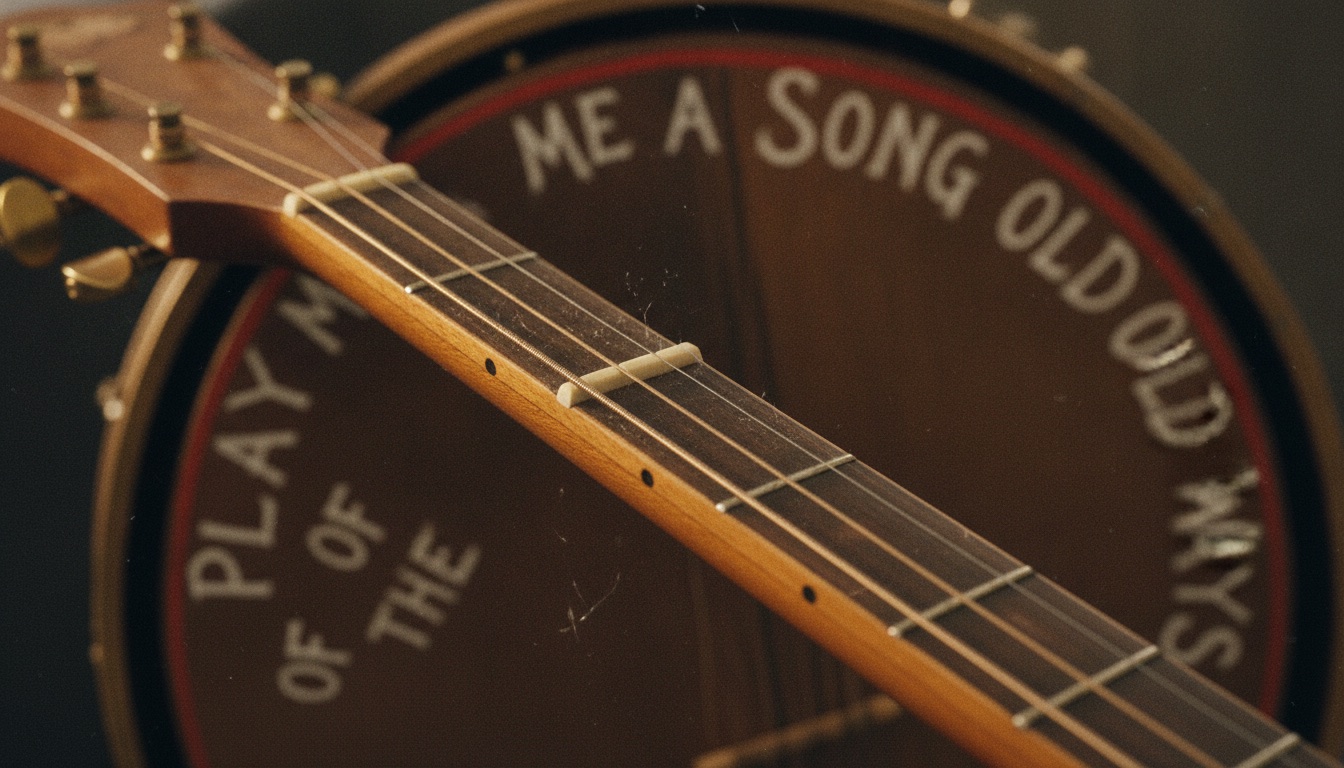
The long-neck banjo Seeger designed and made famous.From the Almanac Singers to the Hudson
The Story
His story spans the whole modern history of folk music, from Dust Bowl ballads to the civil-rights movement to cleaning up a river.
The sloop Clearwater, Seeger's floating campaign to clean the Hudson.
1940
On the road with Woody
The young Seeger traveled and sang with Woody Guthrie, then co-founded the Almanac Singers, bringing topical folk song to labor and peace movements.
1948
The Weavers
His group the Weavers had massive pop hits with "Goodnight Irene" and "Wimoweh," briefly making folk music chart-topping entertainment.
1950s
Blacklisted
Called before the House Un-American Activities Committee, Seeger refused to name names, was cited for contempt, and was blacklisted from television for years.
1960s
The folk revival and the movement
He became the elder statesman of the revival, writing or popularizing "If I Had a Hammer," "Where Have All the Flowers Gone," and "Turn! Turn! Turn!," and carrying "We Shall Overcome" into the civil-rights movement.
1969 onward
Clearwater
He launched the sloop Clearwater and turned to environmental activism, helping clean up the polluted Hudson River.
2014
Ninety-four years of singing
Seeger sang almost to the end, an American institution, and died in 2014 having reshaped what folk music could be and do.
Three Recordings, One Introduction
Start Here
These three are the fastest way to understand Seeger: the singalong anthem, the anti-war standard, and the movement song.
01 · The Anthem
"If I Had a Hammer"
The song he wrote with Lee Hays that became a folk and civil-rights anthem. Start here.
02 · The Standard
"Where Have All the Flowers Gone"
His timeless anti-war song, performed here on the Smothers Brothers show.
03 · The Movement
"We Shall Overcome"
The song he helped carry into the heart of the civil-rights movement.
The Catalog
The Essential Records 4 to start with
Four records covering the hits, the deep essentials, the traditional ballads, and the songs of struggle.
1987
Pete Seeger's Greatest Hits
The single best entry point to his enormous catalog. Start here.
Pete Seeger did more than anyone to keep the five-string banjo alive as a folk instrument. He designed the long-neck "Seeger banjo" for a lower range, and his instruction book, How to Play the 5-String Banjo, taught a whole generation, including many who would carry the instrument into bluegrass and old-time music. His frailing, open, welcoming style was the opposite of virtuoso showmanship, and that was the point: he wanted people to believe they could play too.
That same democratic spirit ran through everything he did. Seeger treated a concert as a singalong, not a performance, turning audiences into choirs and insisting that the songs belonged to everyone. He championed traditional and regional musics of all kinds, from Appalachian ballads to South African and Latin American songs, and he was tireless in pointing his listeners toward the sources, the old records, the field recordings, the living traditions like bluegrass.
And he paid a real price for his convictions. Blacklisted for refusing to cooperate with the anti-communist witch hunts, he spent the 1950s locked out of mainstream media, playing schools and summer camps instead, which is part of how he seeded the folk revival from the ground up. By the time the culture caught up with him, he was its conscience, the living link between Woody Guthrie's generation and Bob Dylan's, and a model of how music and moral commitment could be the same thing.
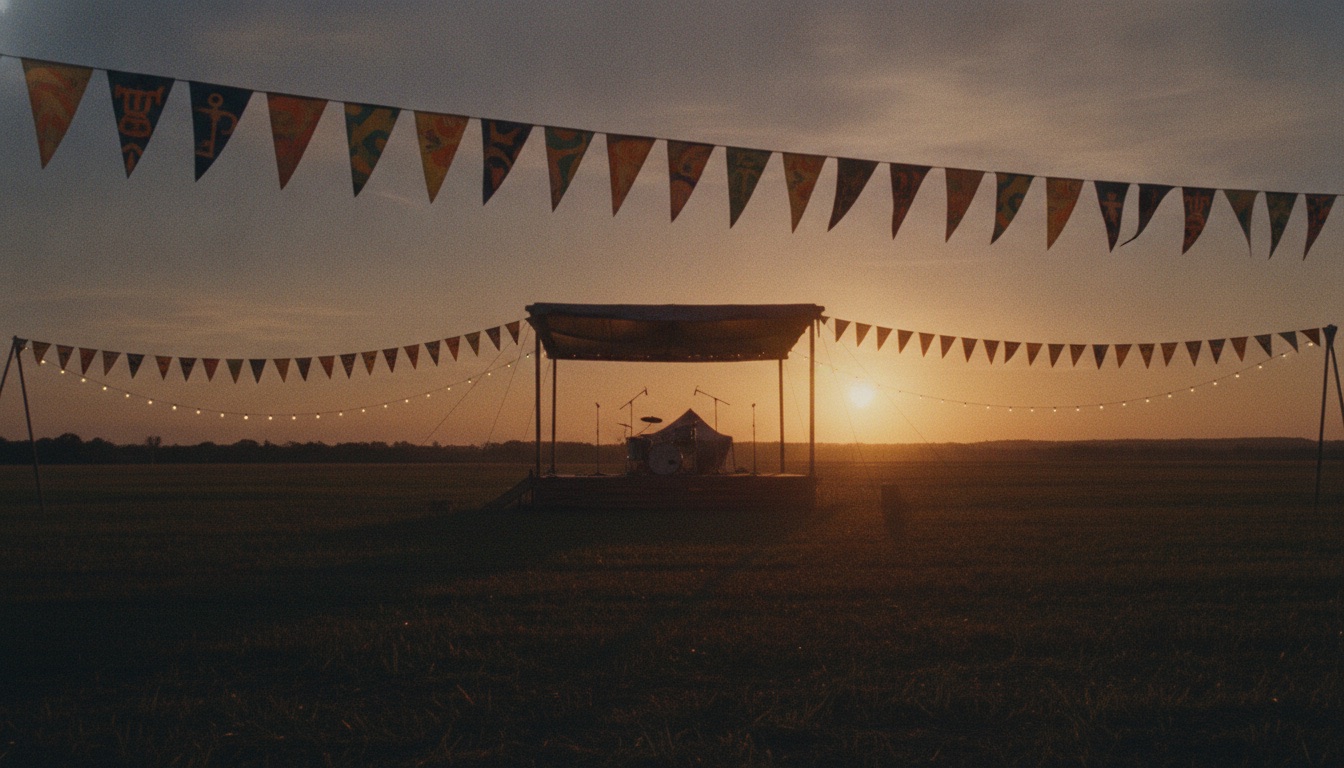
The folk festival, where Seeger turned crowds into choirs.The Roots of the Sound
Influences
Seeger drew from the deep well of American traditional and topical song. These are the sources.
The Songster
Lead Belly
The folk and blues giant whose repertoire Seeger learned, championed, and carried forward.