Folk • Dust Bowl Ballads • The Father of Protest Song
The Dust Bowl balladeer who wrote "This Land Is Your Land," turned the hard lives of ordinary Americans into song, and fathered the whole tradition of protest folk.
The Short Version
Who Was He?
Woody Guthrie (1912–1967) was an Oklahoma-born singer and songwriter who became the conscience of Depression-era America and the founding figure of the modern folk and protest-song tradition. Riding the rails through the Dust Bowl, he turned the suffering and dignity of ordinary people into hundreds of plainspoken, unforgettable songs, most famously "This Land Is Your Land."
His guitar famously carried the slogan "This Machine Kills Fascists," and his influence is almost impossible to overstate: he shaped Pete Seeger, Bob Dylan, and the entire folk revival that, in turn, carried traditional American music like bluegrass to a new audience.
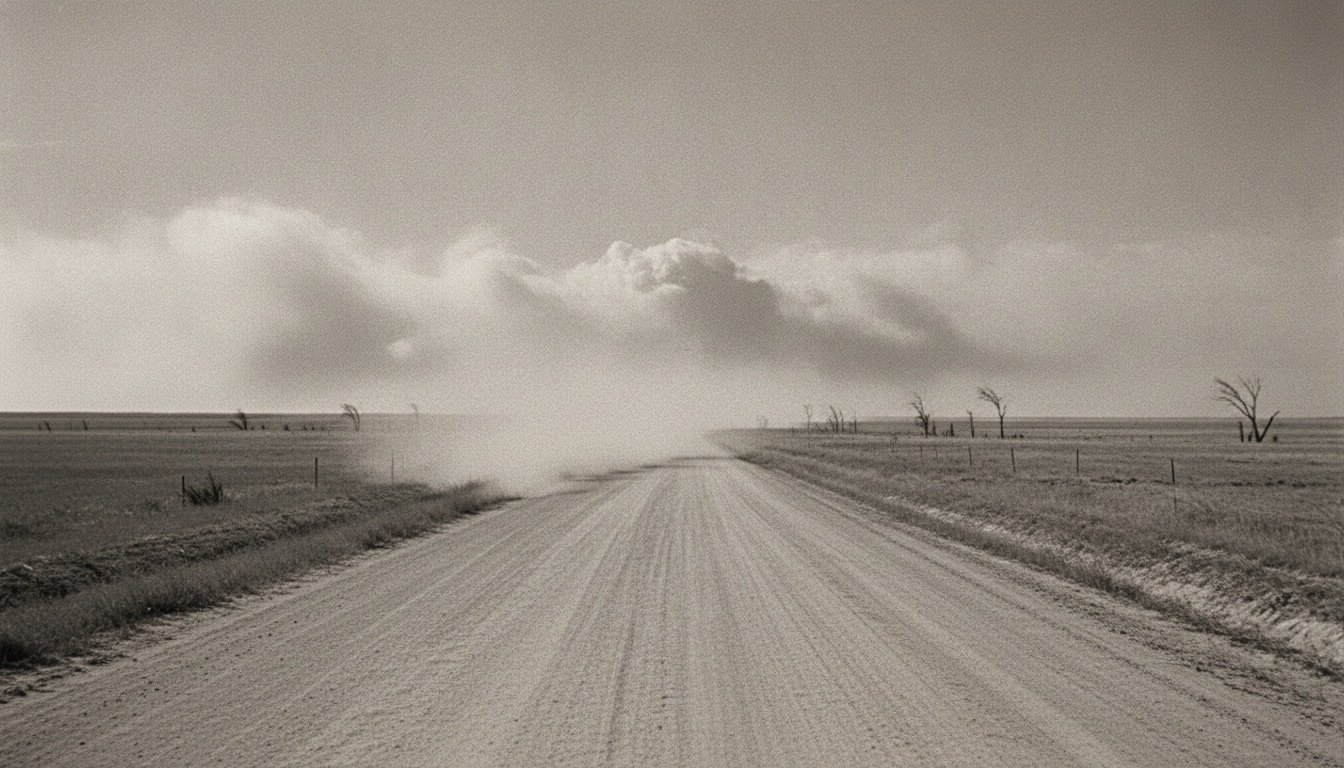
The road, where Guthrie found most of his songs.From Okemah to Bound for Glory
The Story
His story is the story of the Depression itself, told from the boxcars and migrant camps by the man who lived it.
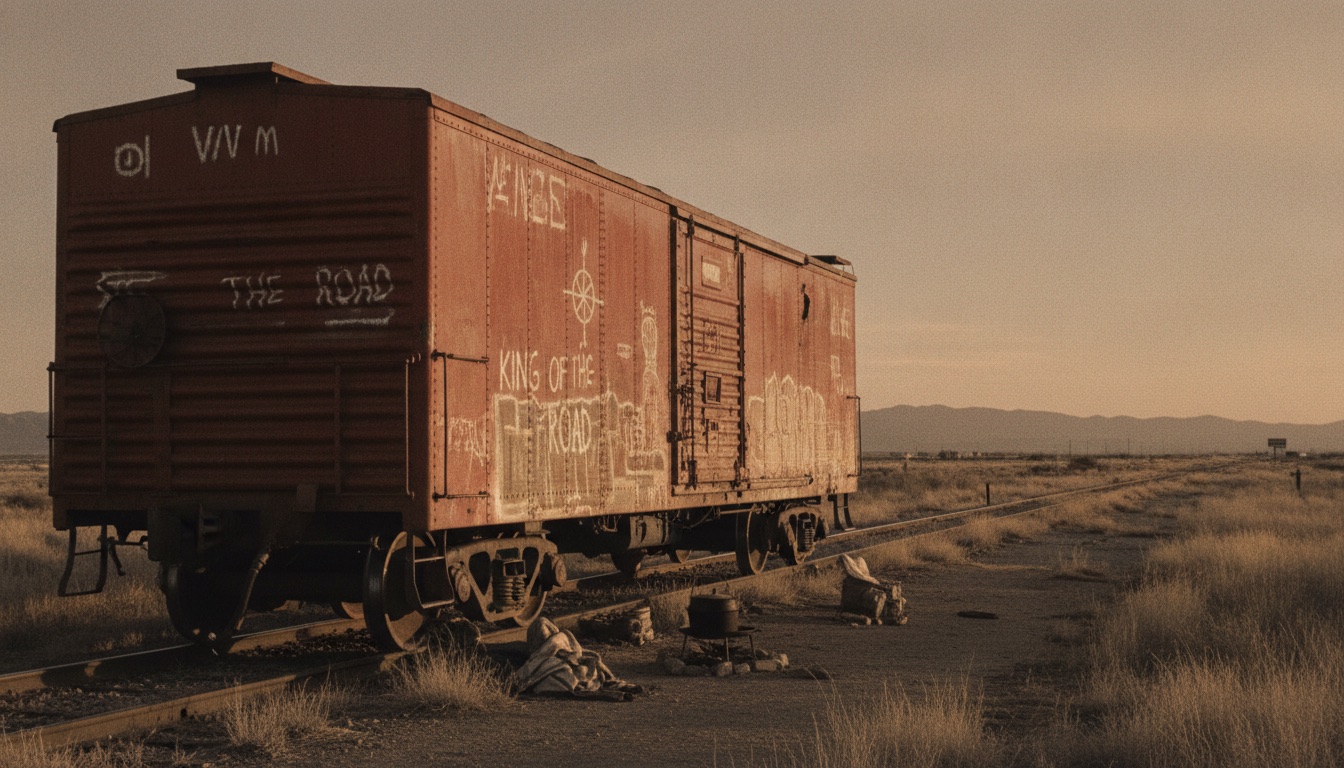
The rails Guthrie rode across a broke and desperate country.
1912
Born in Okemah, Oklahoma
Guthrie grew up amid family tragedy and hard times, absorbing the old songs and the hardships of the land.
1930s
The Dust Bowl exodus
He rode the rails west with the Okie migration to California, seeing the injustice and struggle that would fill his songs.
1940
"This Land Is Your Land" and Dust Bowl Ballads
He wrote his most famous song as a pointed answer to "God Bless America," and recorded Dust Bowl Ballads, a landmark set of topical songs.
1940s
New York and the Asch recordings
He moved to New York, joined the Almanac Singers with Pete Seeger, and recorded hundreds of songs for Moses Asch, later issued on Folkways.
1943
Bound for Glory
His vivid, freewheeling autobiography made him a literary figure as well as a musical one.
1950s–67
Huntington's disease
A hereditary illness slowly took his health from the mid-1950s on. A young Bob Dylan visited him in the hospital before Guthrie died in 1967.
Three Recordings, One Introduction
Start Here
These three are the fastest way to understand Guthrie: the anthem, the Dust Bowl lament, and the migrant's hymn.
01 · The Anthem
"This Land Is Your Land"
His most famous song, and a truer, sharper national anthem than the one it answered. Start here.
02 · The Lament
"Do Re Mi"
A wry, aching warning to Dust Bowl migrants that California was no promised land without money.
03 · The Hymn
"Pastures of Plenty"
A soaring, dignified tribute to the migrant workers who fed the country.
The Catalog
The Essential Records 4 to start with
Four records covering the landmark ballads, the great Asch sessions, and the centennial overview.
1940
Dust Bowl Ballads
His landmark set of Depression songs, one of the first true concept albums. Start here.
Woody Guthrie's genius was in making the plainest possible song carry an enormous amount of truth. He mostly borrowed old melodies, Carter Family tunes, hymns, folk airs, and set them to words that were direct, vivid, funny, and angry, about the people he met on the road: migrants, miners, outlaws, the broke and the forgotten. He wrote so many songs, thousands over his life, that writing them seems to have been as natural to him as talking.
That approach, ordinary language, borrowed tunes, and an unshakable sympathy for working people, became the template for the entire American protest-song tradition. Pete Seeger carried it into the folk revival and the movements of the 1960s; Bob Dylan modeled himself on Guthrie so completely that he made a pilgrimage to Woody's hospital bed. Bruce Springsteen, Billy Bragg, and countless others trace straight back to him.
His importance to bluegrass and roots music is indirect but real. By making traditional American song matter to a huge new audience, and by insisting that these songs belonged to everyone, Guthrie and the revival he seeded created the conditions in which bluegrass found its second life on the college and festival circuit. He is a root of the whole tree, even though he never played a note of bluegrass himself.
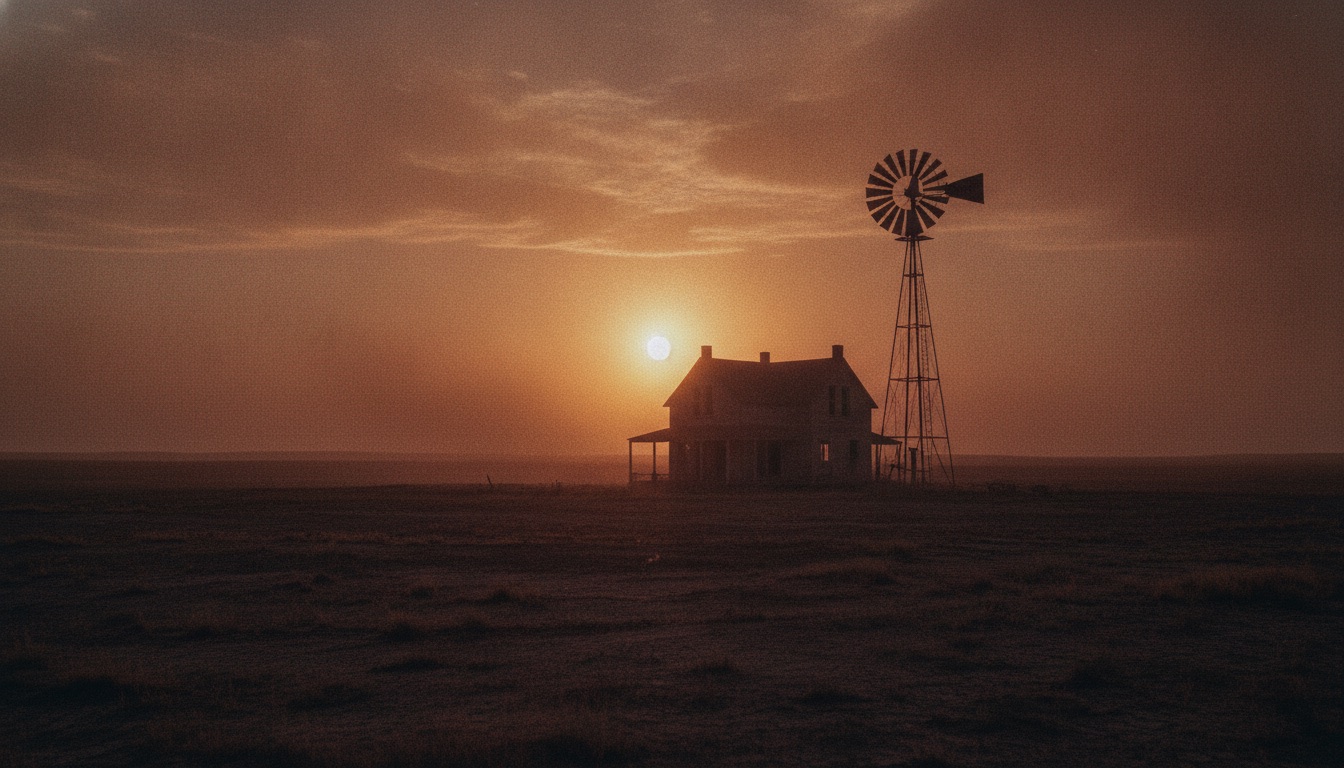
The land and the people Guthrie sang for.The Roots of the Sound
Influences
Guthrie drew on the old-time songbook and the blues and folk around him. These are the sources.
The First Family of Country
The Carter Family
The old-time tunes Guthrie borrowed constantly, including the melody of "This Land Is Your Land."
Guthrie was largely a pre-television figure, and illness silenced him by the 1950s, so filmed footage of him is precious. These rare clips show him performing in the 1940s.
Rare Footage · 1945
Woody Guthrie, 1945
Rare film of Guthrie himself, from near the height of his powers.
Guthrie is the headwater of the folk revival and everything downstream of it.
Pete Seeger: his traveling companion who carried the songs into the movement. See the guide.
Bob Dylan: who modeled himself on Guthrie and made a pilgrimage to his hospital bed. See the guide.
Lead Belly: his fellow giant of the New York folk world. See the guide.
The Carter Family: the old-time source of so many of his melodies. See the guide.
Bound for Glory: his autobiography, and the 1976 film of it, are both worth your time.
The Way to Listen
Listen to the words. Guthrie's tunes are simple on purpose; the whole weight is in the plain, unforgettable way he tells the truth about people's lives.