Bluegrass • Innovative Banjo • The Tennessee Cut-Ups
Don Reno's dazzling, guitar-like banjo and Red Smiley's warm baritone made the Tennessee Cut-Ups one of early bluegrass's most inventive and entertaining bands.
The Short Version
Who Were They?
Reno & Smiley were banjo genius Don Reno (1926–1984) and warm-voiced singer-guitarist Red Smiley (1925–1972), who led a band called the Tennessee Cut-Ups through the first golden age of bluegrass. Reno was one of the two or three most important banjo players the music ever produced, an innovator whose ideas ran parallel to Earl Scruggs's own.
Where Flatt & Scruggs were the smooth commercial face of bluegrass, Reno & Smiley were its most inventive and entertaining band, mixing hard bluegrass, gospel, novelty songs, and proto-rockabilly with Reno's astonishing banjo and guitar. Don Reno also co-wrote the tune that became "Dueling Banjos."
Don Reno's banjo: as inventive as anyone's in the music.The Banjo Man and the Singer
The Story
Their story turns on a near-miss that sent Don Reno down his own path, and a partnership that defined early bluegrass television.
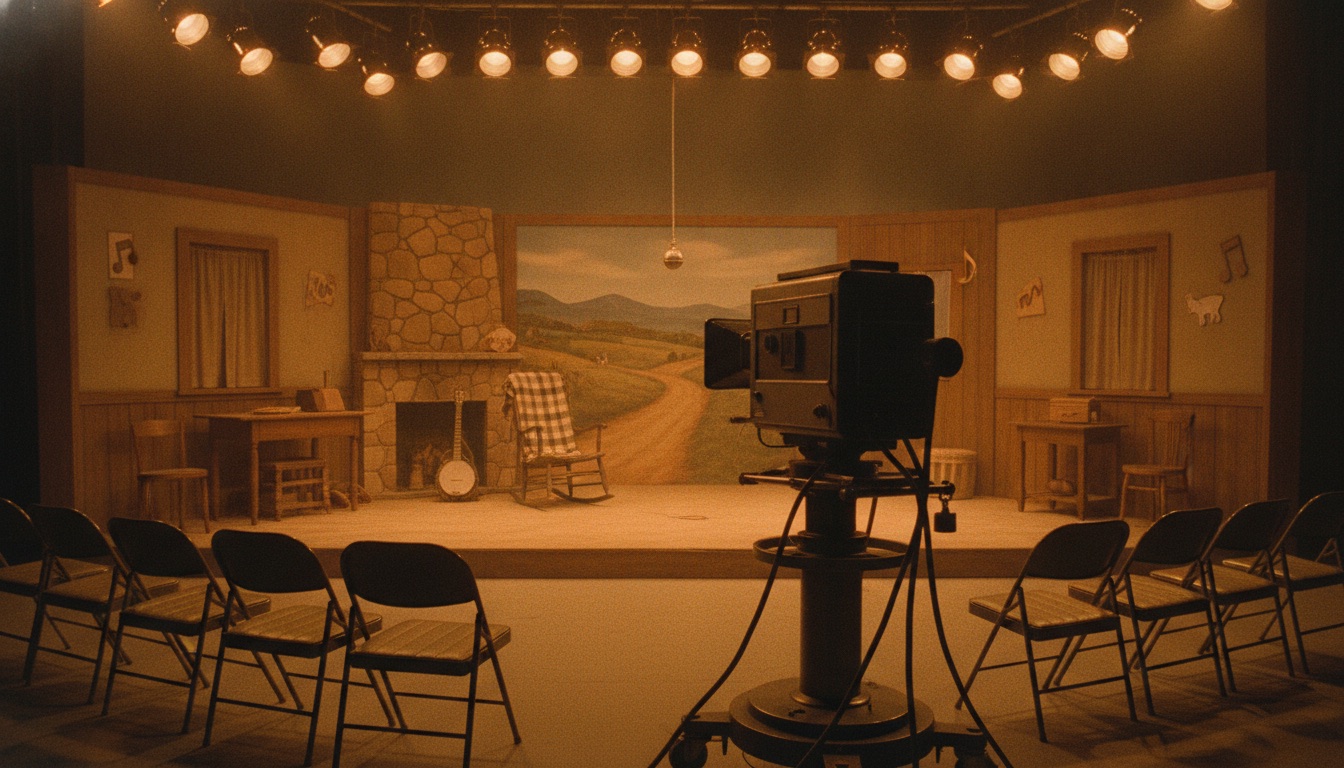
The Virginia hills where their TV show was based.
1943
The banjo seat that got away
Bill Monroe offered the young Don Reno a spot in the Blue Grass Boys, but Reno was headed to the army. The job went to Earl Scruggs instead.
1951
Reno & Smiley
Reno teamed with singer Red Smiley, and with the Tennessee Cut-Ups they began recording a string of classics for King Records.
1955
"Feudin' Banjos"
Don Reno co-wrote the banjo showpiece that would later, as "Dueling Banjos," become world-famous through the film Deliverance.
1950s–60s
Television and hits
Based in Virginia, the band ran a popular daily TV show and cut hits like "I Know You're Married" and the rocking "Country Boy Rock & Roll."
1964–1984
Later years
Smiley's health forced the duo apart in 1964; they reunited before his death in 1972. Reno kept playing, his banjo influence growing, until his own death in 1984.
Three Recordings, One Introduction
Start Here
These three are the fastest way to hear the band: the signature hit, the rockabilly romp, and the banjo showpiece.
01 · The Signature
"I Know You're Married But I Love You Still"
Their best-known song, Red Smiley's warm voice over Reno's crisp band. The place to start.
02 · The Romp
"Country Boy Rock & Roll"
Bluegrass meeting rockabilly head-on, a reminder of how wild and fun this band could be.
03 · The Banjo
"Little Rock Getaway"
An instrumental showcase for Reno's single-string, guitar-like banjo playing, unlike anyone else's.
The Catalog
The Essential Records 4 to start with
Four collections that cover the band's hits, its rocking side, its instrumentals, and its gospel.
2005
16 Greatest Hits
The best single-disc overview of the band's King Records years. Start here.
Don Reno is one of the pivotal figures in the history of the five-string banjo. While Earl Scruggs was perfecting the three-finger roll, Reno was developing a parallel set of ideas that no one else had: a single-string style that let him play fast melodic lines like a fiddle or guitar, along with jazzy chord work and a comedian's sense of surprise. He could play a Scruggs-style roll better than almost anyone, then turn around and do things on the banjo that sounded nothing like bluegrass at all.
He was also a superb flatpicking guitarist, which was rare in that era, and the band used all of it. Reno & Smiley records move from hard-driving bluegrass to gospel quartets to near-rockabilly to pure instrumental showpieces, held together by Red Smiley's warm, reassuring baritone. Where some first-generation bands stayed in one lane, the Tennessee Cut-Ups were restlessly entertaining.
That range, and Reno's specific innovations, made them enormously influential on the banjo players who followed, even if they never had the mass fame of Flatt & Scruggs. When you hear a modern banjoist play a fast, single-note melodic run instead of a roll, you are hearing Don Reno's idea. And "Feudin' Banjos," the tune he co-wrote, went on to become one of the most recognized pieces of banjo music in the world.
Early bluegrass television, where the band built its audience.The Roots of the Sound
Influences
Reno & Smiley came up out of the first generation of bluegrass and the old-time world before it. These are the sources.
Father of Bluegrass
Bill Monroe
The band that nearly hired Don Reno, and the source of the whole genre.
Reno & Smiley sit among the great first-generation bluegrass bands, each worth exploring.
Flatt & Scruggs: the era's biggest act, and the banjo standard Reno played against. See the guide.
Bill Monroe: the band that almost hired Don Reno, and the source of it all. See the guide.
The Stanley Brothers: the great traditional contemporaries. See the guide.
Jim & Jesse: another essential first-generation act. See the guide.
"Feudin' Banjos": Don Reno's tune that became "Dueling Banjos," worth tracing the whole story.
The Way to Listen
Listen for Reno's single-string banjo runs, fast melodic lines where you expect a roll. That is his signature, an idea as important to the instrument as Scruggs's own.