How four combustible Londoners turned pop art, feedback, and smashed guitars into the loudest, most ambitious rock band of their generation, then built whole operas out of it.
The Short Version
Who Are They?
The Who formed in West London in 1964 out of the mod scene, four sharply dressed, wildly mismatched musicians who together became one of the most explosive live acts in rock history. Roger Daltrey out front, Pete Townshend windmilling on guitar, John Entwistle standing still while his bass thundered, and Keith Moon detonating behind the drums.
Two things make them singular. First, the power: they played louder and harder than almost anyone before them, ending shows by destroying their instruments in a ritual of controlled chaos. Second, the ambition: Townshend pushed rock toward long-form storytelling, writing the rock operas Tommy and Quadrophenia and proving that a rock band could think in album-length arcs.
They wrote generational anthems, invented the arena-scale rock show, and left a body of work that still sounds enormous. To understand the reach of British rock, you start here.
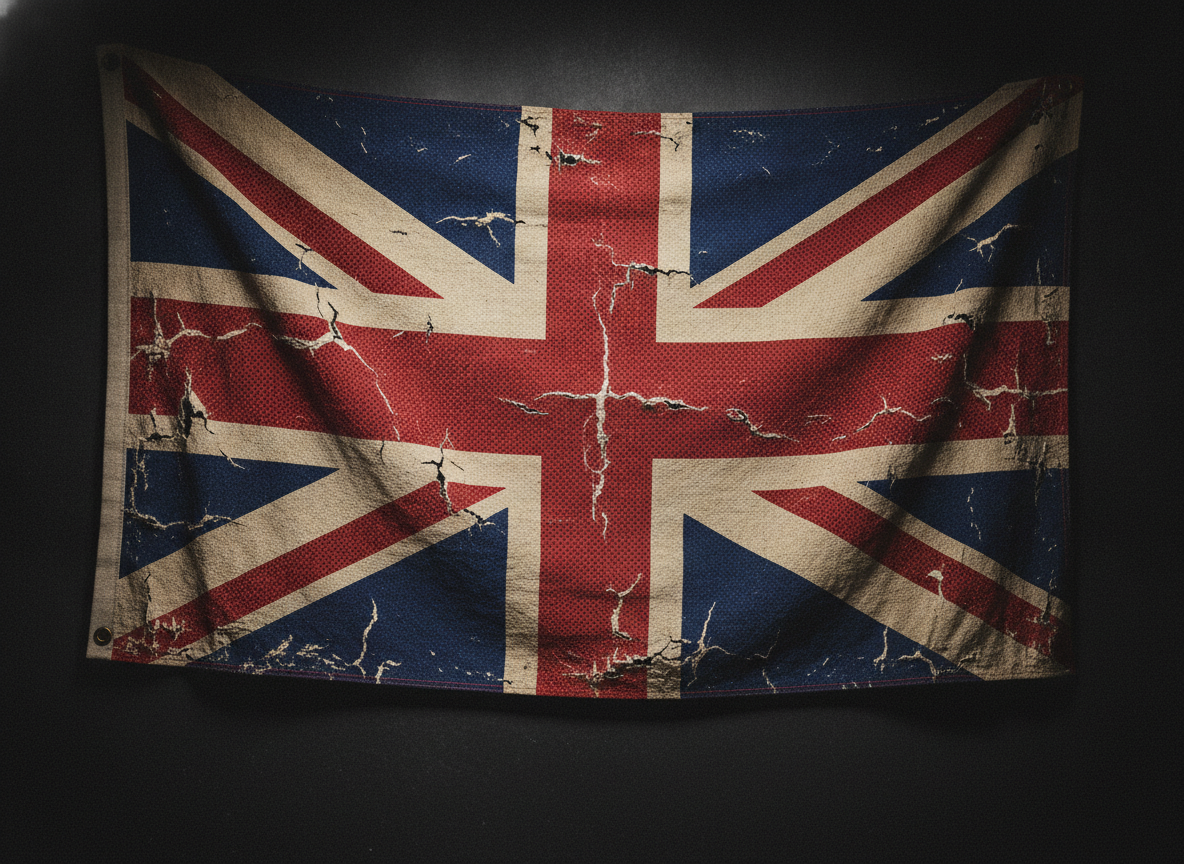
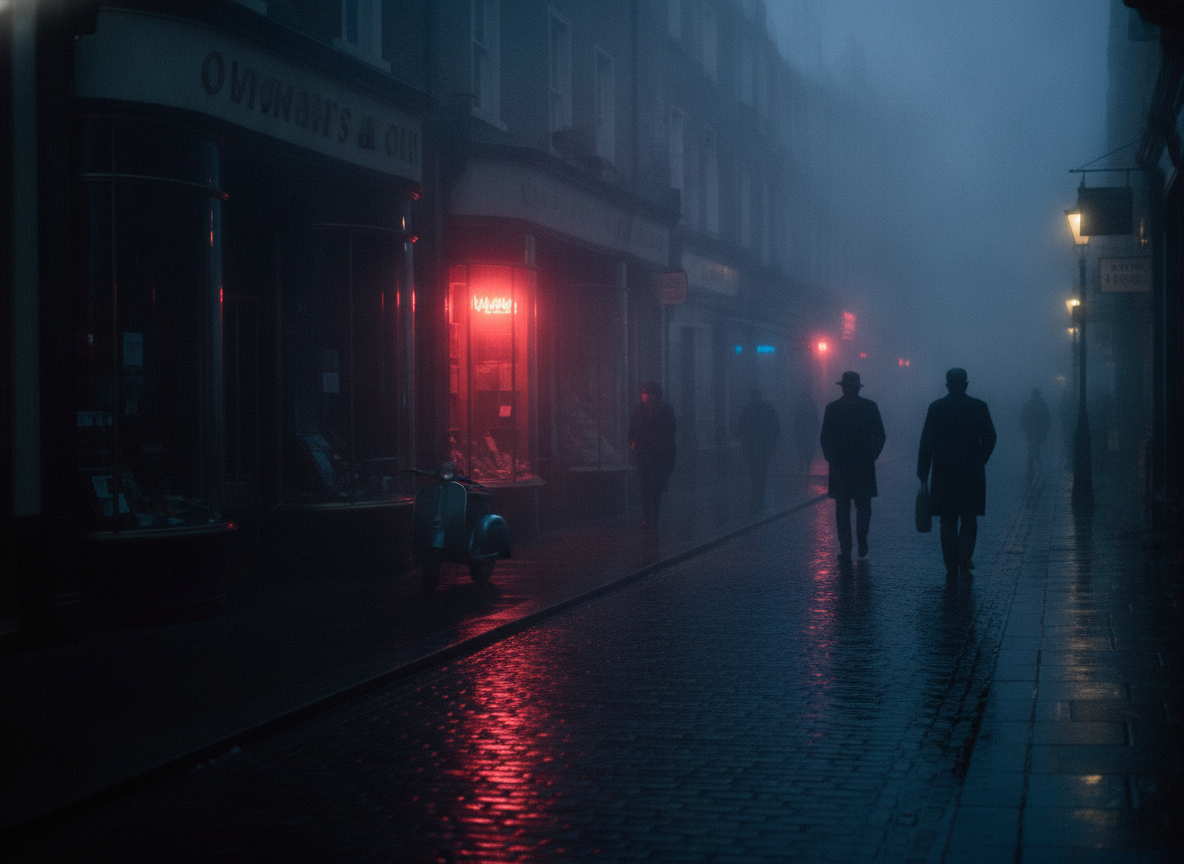
Mod style, pop art, and British swagger, the world The Who exploded out of.From a London Mod Club to the Rock Opera
The Story
The Who's story is a run of reinventions, from mod singles band to auto-destructive live act to the creators of rock's most ambitious long-form works, shadowed all the way by the chaos of Keith Moon.
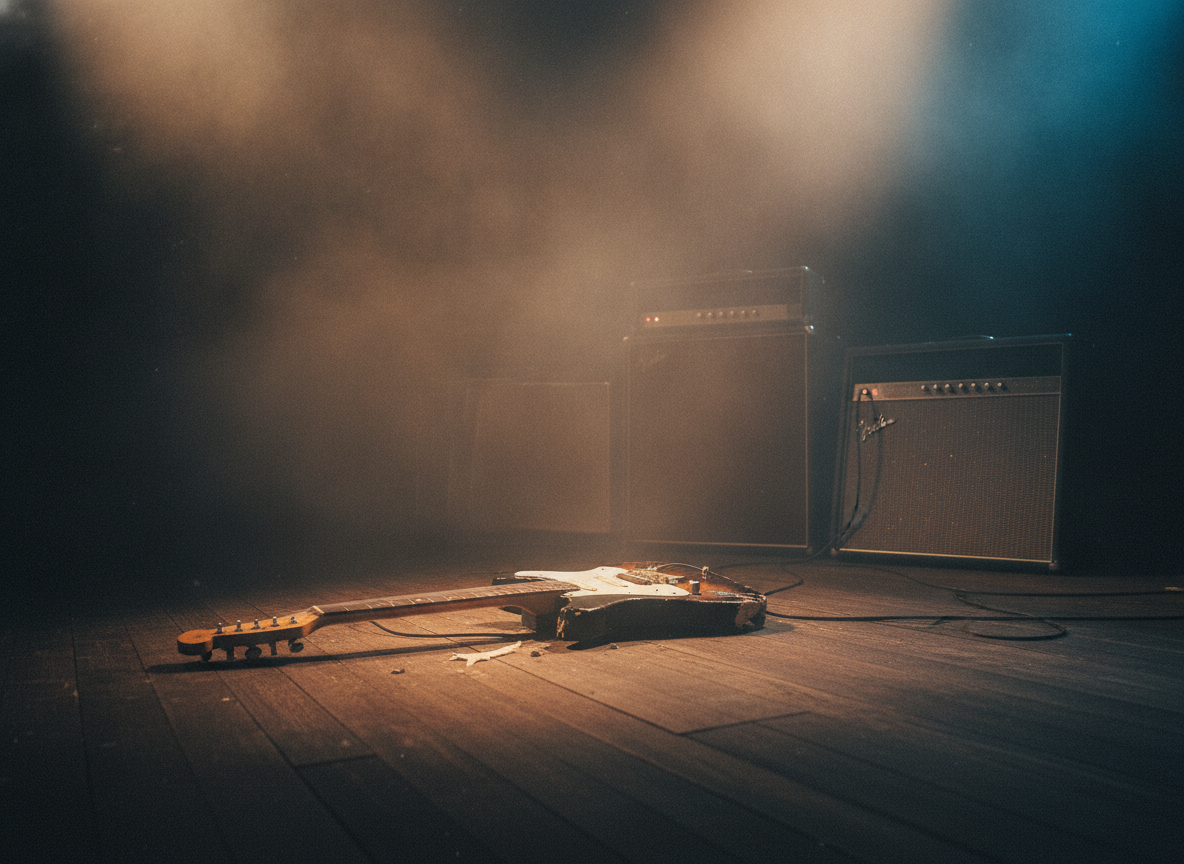
Ending the night by destroying the gear, the ritual that made their reputation.
1964
Mods in West London
Rebranded from the Detours, the band became the house act for London's mod movement, sharp suits, scooters, and amphetamine energy. Early singles like "I Can't Explain" bottled that restless youth culture.
1965
My Generation
Their debut album and its stuttering title anthem announced a band speaking directly for angry, bored British teenagers, capped by "I hope I die before I get old," rock's most famous act of youthful defiance.
1966–1968
Auto-destruction and pop art
Townshend began smashing guitars and Moon demolished drum kits, turning destruction into performance art. The singles grew more inventive as the band chased a bigger canvas.
1969
Tommy
Townshend's double-album rock opera about a "deaf, dumb and blind" pinball prodigy became a cultural landmark, lifting The Who from singles band to serious artists and filling opera houses and festivals alike.
1970–1971
Live at Leeds and Who's Next
The ferocious Live at Leeds captured them as the loudest band on earth. Then Who's Next, salvaged from an abandoned project, gave them "Baba O'Riley" and "Won't Get Fooled Again" and arguably their finest record.
1973
Quadrophenia
A second, more personal rock opera looking back at the mod era through a troubled teenager named Jimmy. Dense, symphonic, and deeply felt, it is many fans' favorite Who album.
1978
The loss of Keith Moon
Moon's death at 32 ended the classic lineup. The band carried on and reunited many times, but the wild engine at its center was gone. Entwistle died in 2002; Daltrey and Townshend still tour the songs.
Four Songs, One Education
Start Here
The Who's catalog swings from two-minute anthems to opera-length suites. These four songs cover the full range, from mod fury to synth-driven epic. Watch in order.
01 · The Anthem
"My Generation" (1965)
The stuttering, snarling statement of purpose. Entwistle's bass solo, Moon's demolition-derby drums, and a lyric that became the rallying cry of British youth. The essential Who starting point.
02 · The Landmark
"Baba O'Riley" (1971)
The pulsing synthesizer intro, the soaring "teenage wasteland" refrain, and a violin coda that lifts off. Opener of Who's Next and one of the greatest rock songs ever recorded.
03 · The Opera
"Pinball Wizard" (1969)
The cornerstone of Tommy, built on a crashing acoustic-guitar figure. Proof that Townshend could fold a hook this big into a story this ambitious. Your way into the rock operas.
04 · The Epic
"Won't Get Fooled Again" (1971)
Eight and a half minutes of churning organ, a colossal Daltrey scream, and rock's most famous drum-and-synth breakdown. The band at full power and full ambition at once.
The Landmark Records
The Albums 5 to start with
The Who released a run of albums that reshaped rock's scale and ambition. These five are the pillars, from raw mod debut to opera to the untouchable peak. The blue-topped card is the best place to begin.
1965
My Generation
The debut. All coiled energy and R&B fire, it captures the mod band at its rawest, with the title anthem, "The Kids Are Alright," and Entwistle's bass already a lead instrument.
The first great rock opera, a double album telling the story of a traumatized pinball prodigy. Sprawling and daring, it lifted The Who from hit-single band to serious artists overnight.
Widely called the greatest live rock album ever made. Recorded in a university refectory, it is thunderous, ferocious proof of why The Who owned the stage. Pure controlled violence.
The masterpiece, and a perfect place to start. Salvaged from an abandoned concept project, it delivers "Baba O'Riley," "Won't Get Fooled Again," and "Behind Blue Eyes," synths and guitars in perfect balance.
The second, more personal rock opera, looking back at the mod era through a fractured teenager. Symphonic, layered, and deeply emotional, it is many devotees' favorite Who record.
Two YouTube Music sets: a First Listen of the signature songs to bring you in, and a Deep Cuts gathering of the longer, headphone-reward pieces for when you want to sink in. (Ideally, though, hear these albums whole.) Hit the button on either card to play it.
The Who's power came from four musicians who each pushed their instrument to the front. No one hung back, and the friction between them was the sound.
Four voices refusing to stay in the background, and the city that shaped them.
Roger DaltreyLead vocalsThe golden-throated frontman whose microphone-swinging swagger and full-throated roar gave the band its face and its most famous screams
Pete TownshendGuitar, songwritingThe windmilling guitarist and chief writer, architect of the power chord, the rock opera, and nearly the entire Who catalog
John EntwistleBassStone-still on stage while his thunderous, lead-style bass redefined the instrument; nicknamed "The Ox" for his imperturbable calm
Keith MoonDrumsThe wild, unpredictable engine of the band, playing lead drums in constant explosive fills until his death in 1978 at 32
The Roots of the Sound
Influences
The Who were built on American rock and roll, rhythm and blues, and the raw pulse of early British beat music, then supercharged it. Here is where the noise came from.
Rock and Roll
Chuck Berry
The riffs, the storytelling, and the showmanship at the heart of rock. The Who cut their teeth on Berry's songs, and his guitar language runs straight through Townshend's playing.
The hypnotic, shave-and-a-haircut beat and sheer rhythmic drive of Bo Diddley fed the band's early sets and the propulsive pulse under their loudest moments.
The young Who covered James Brown and chased his explosive live intensity. His electrifying Live at the Apollo was a blueprint for the band's own onstage ferocity.
Fellow London mods and rivals, the Kinks pioneered the crunching power chord and the sharp English character sketch, both of which The Who carried to a bigger stage.
Pete Townshend is one of rock's most articulate and self-questioning figures, and the band's history is full of candid, revealing conversation. These are worth seeking out.
Interview · 1969
Pete Townshend, In Conversation
A 1969 conversation with Townshend on Tommy, home recording, Hendrix, and the guitar-smashing ritual, an early window into the mind behind the band's most ambitious years.
Interview · Archive
The Filmed Portraits
From The Kids Are Alright documentary to decades of television appearances, Daltrey and Townshend have told and retold the band's story on camera. Search YouTube for clips and full interviews.
Once the landmark albums have you, The Who's world opens into lost concepts, ferocious live tapes, and the wreckage and glory of the classic years.
The Who Sell Out. the 1967 concept record built as a mock pirate-radio broadcast, complete with jingles, and home to the shimmering "I Can See for Miles."
Lifehouse. Townshend's abandoned sci-fi rock opera, whose salvaged songs became Who's Next; the outtakes and demos are a fascinating what-might-have-been.
Live at Leeds (Deluxe). the expanded edition restores the full concert, including a complete performance of Tommy, the band at their untamed live peak.
The films. The Kids Are Alright, the 1975 Tommy movie, and the 1979 Quadrophenia film are the best moving-image windows into the band and its era.
The Way to Listen
Do yourself one favor: put on Who's Next from start to finish, loud, then follow it with Quadrophenia. The first is the perfect rock album; the second shows just how far the band could reach.