Two friends from Akron, Ohio, made raw, fuzzed-out blues-rock in a basement with a guitar and a drum kit, and grew that stripped-down sound into a Grammy-winning act that headlines arenas.
The Short Version
Who Are They?
The Black Keys are an American rock duo formed in Akron, Ohio, in 2001. The group is guitarist and singer Dan Auerbach and drummer Patrick Carney, childhood acquaintances who began recording together in a basement using cheap and secondhand equipment.
Their sound is built on a narrow palette: distorted, riff-driven guitar rooted in Mississippi hill country and Delta blues, paired with hard, direct drumming. Two players covered the ground of a full band, and the deliberate rawness of those early home recordings became the group's signature.
Over two decades the duo moved from lo-fi independent releases toward bigger, more produced records, adding keyboards, bass, and studio texture while keeping the core guitar-and-drums framework. That path carried them from small clubs to festival headline slots and multiple Grammy Awards.
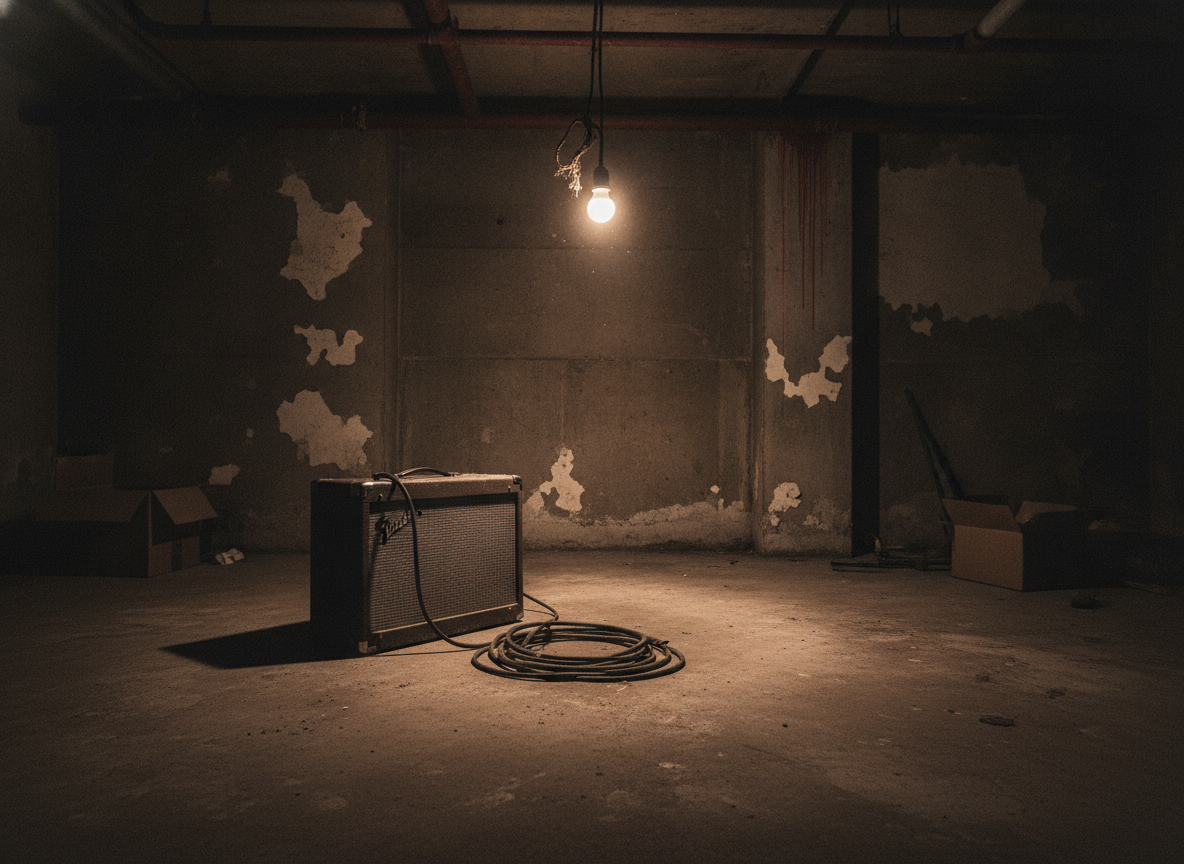
A basement in Akron, a couple of amps, and a two-piece band, the ground the sound grows from.From an Akron Basement to the Arena Stage
The Story
The Black Keys built their career slowly, one grittier-sounding record at a time, before a run of crossover hits pushed the duo to the front of modern rock.
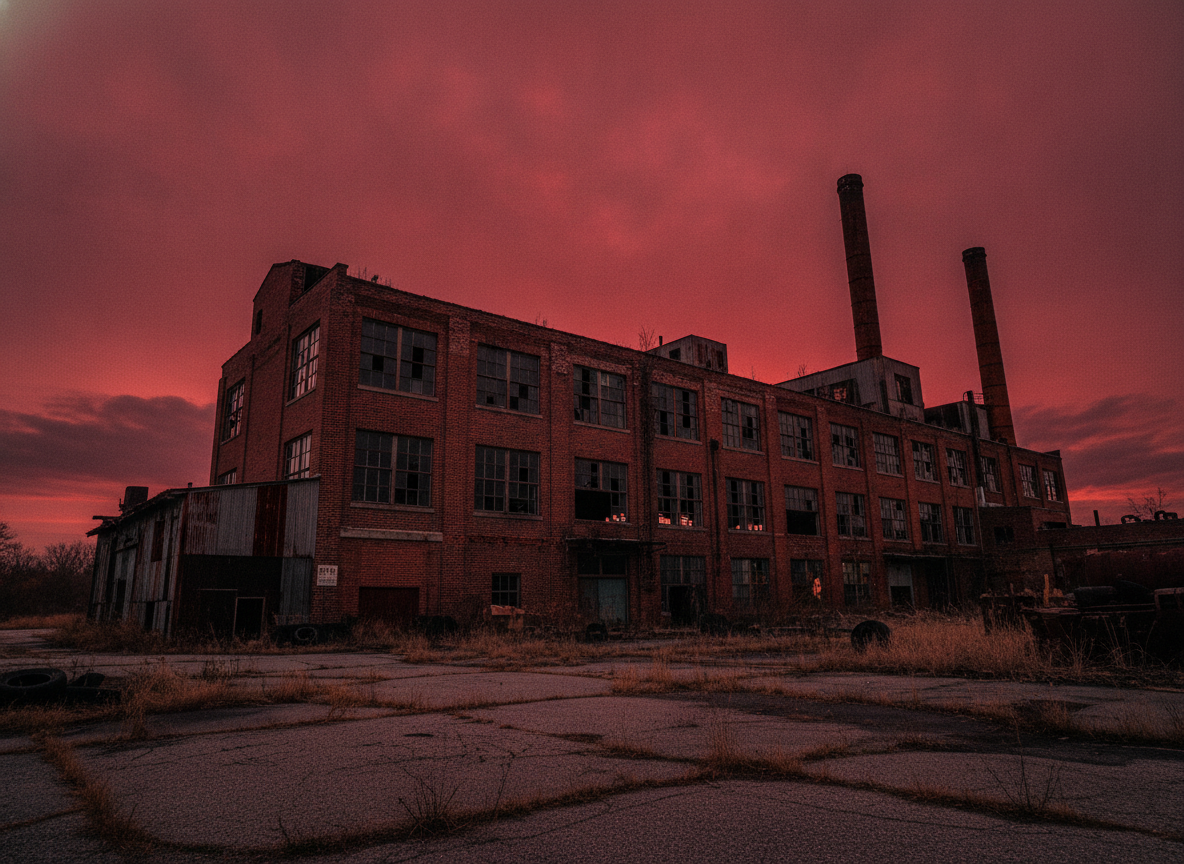
Akron's industrial backdrop, the rust-belt setting the early records were made in.
2001–2002
Akron beginnings
Auerbach and Carney began recording as a duo in Carney's basement. Their debut, The Big Come Up, appeared in 2002 on the independent label Alive, mixing original blues-rock with covers.
2003–2004
Thickfreakness and Rubber Factory
Signing to Fat Possum, the duo released Thickfreakness, reportedly recorded in a single overnight session, then Rubber Factory, cut in a disused Akron tire factory. Both sharpened the raw two-piece sound and widened the audience.
2008
Attack & Release
The band worked with producer Danger Mouse for the first time on Attack & Release, their first album made in a professional studio, which added keyboards and outside instrumentation to the core sound.
2010
Brothers
The commercial breakthrough. Brothers, anchored by the single "Tighten Up," went platinum and won Grammy Awards, lifting the duo from clubs to theaters and festivals.
2011
El Camino
Reuniting with Danger Mouse, the band made El Camino, a leaner, faster set built for the stage. Singles "Lonely Boy" and "Gold on the Ceiling" turned the duo into arena headliners.
2014–2019
Turn Blue and a break
The psych-tinged Turn Blue arrived in 2014, after which the duo paused to pursue separate projects, with Auerbach producing other artists and running his Easy Eye Sound studio. They regrouped for "Let's Rock" in 2019.
2021–present
Back to the roots
On Delta Kream the duo returned to the hill country blues that shaped them, cutting covers of Junior Kimbrough and R.L. Burnside with guest players, and kept recording and touring through the decade.
Four Songs, One Education
Start Here
The catalog runs from lo-fi basement blues to polished arena rock. These four singles are the fastest way to hear the range and the hooks that broke the band wide open. Watch in order.
01 · The Breakout
"Lonely Boy" (2011)
The lead single from El Camino: a driving fuzz-guitar riff and a stomping backbeat. Its single-shot video became a viral hit and made the band a household name.
02 · The Turning Point
"Tighten Up" (2010)
The hit from Brothers, co-produced by Danger Mouse. A whistled hook and a heavy groove that became the band's first big crossover single.
03 · The Anthem
"Gold on the Ceiling" (2011)
A glammy, organ-backed stomp from El Camino built for big rooms, showing how far the duo's sound had widened beyond the early basement records.
04 · The Groove
"Howlin' for You" (2010)
Another Brothers single, built on a glam-rock beat and a simple, hard riff. A clear example of the hook-driven direction the duo took toward the arena era.
The Landmark Records
The Albums 6 to start with
The duo has released eleven studio albums. These six trace the arc from raw two-piece blues to widescreen studio rock. The blue-topped cards are the best places to begin.
2003
Thickfreakness
The early statement, reportedly cut in a single overnight session. Loud, lo-fi, and blues-soaked, it captures the two-piece sound at its rawest.
Recorded in a disused Akron tire factory, it widened the songwriting while keeping the grit. Many fans point to it as the peak of the early Fat Possum years.
The first record made in a professional studio and the first with Danger Mouse. Keyboards and outside instrumentation broadened the palette beyond guitar and drums.
The commercial breakthrough. Anchored by "Tighten Up" and "Howlin' for You," it went platinum and won Grammy Awards, moving the duo into the mainstream.
A leaner, faster set built for the stage. "Lonely Boy" and "Gold on the Ceiling" turned the duo into arena headliners and earned more Grammy Awards. A perfect entry point.
Two YouTube Music playlists: a First Listen of the signature singles to bring you in, and a Deep Cuts set of the rawer and rangier tracks for when you want to sink in. (Ideally, though, hear these albums whole.) Hit the button on either card to play it.
At its core the group is a two-piece, but a key producer helped shape the sound as it grew from the basement to the studio.
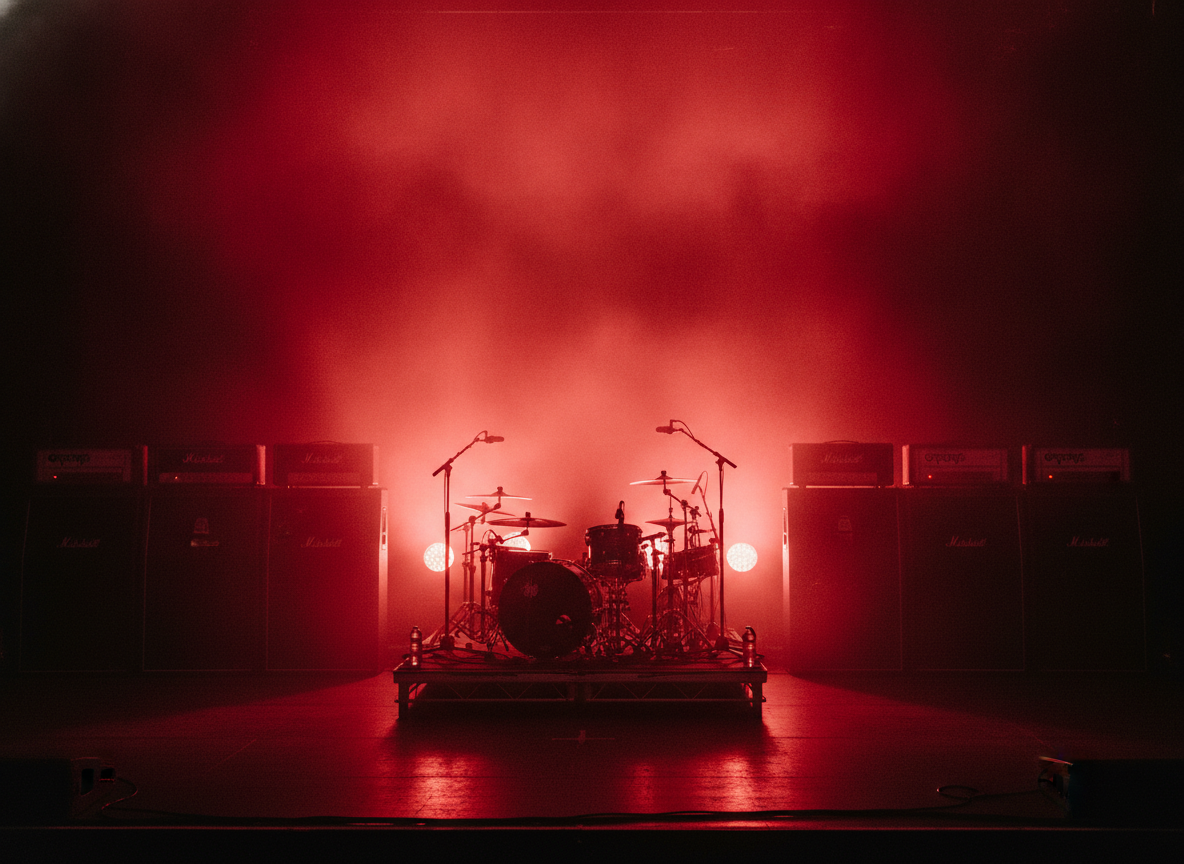
Two players covering the ground of a full band, under the red stage lights.
Dan AuerbachGuitar / vocalsCo-founder, singer, and guitarist; also a Grammy-winning producer who runs the Easy Eye Sound studio and label in Nashville
Patrick CarneyDrumsCo-founder and drummer, whose hard, direct playing anchors the two-piece sound; also produces other artists
Danger MouseProducerBrian Burton produced Attack & Release, Brothers (in part), El Camino, and Turn Blue, widening the studio palette
The Roots of the Sound
Influences
The duo drew directly from Mississippi hill country and Delta blues, and later folded in the heavier attack of classic hard rock. Here is where the sound comes from.
Hill Country Blues
Junior Kimbrough
A defining influence. The duo recorded an EP of his songs early on and returned to his catalog on Delta Kream, drawing on his droning, hypnotic style.
The blueprint for blues turned into heavy rock. Their huge riffs and big drum sound point toward the arena-scaled direction the duo took in its later records.
Auerbach and Carney are candid about the band's long climb from Akron basements to arenas, their working method, and the blues records that shaped them.
Interview · Archive
The Black Keys, In Conversation
A long-form conversation tracing the duo's origins in Akron, the making of the early records, and the road that carried the two-piece band to the mainstream.
Interview · More
More Conversations
The band has given many interviews across its career, from early club-era press to the arena years. Search YouTube for extended talks and studio features.
Once the landmark albums have you, the catalog opens into early lo-fi records, side projects, and a return to the roots.
The early records. The Big Come Up and Magic Potion fill in the lo-fi years before the studio era, showing the two-piece sound in its rawest form.
Delta Kream. the 2021 covers album of hill country blues by Junior Kimbrough, R.L. Burnside, and others, a direct look at the music that shaped the band.
The side projects. Dan Auerbach's solo records and his band The Arcs, plus his production work at Easy Eye Sound, and Patrick Carney's own producing and scoring.
The later albums. "Let's Rock", Dropout Boogie, and Ohio Players continue the run and are easy to overlook after the big hits.
The Way to Listen
Do yourself one favor: play El Camino front to back, then go back to Brothers, then drop all the way down to Thickfreakness. Hearing the polish fall away shows you exactly where this band came from.